The key facts
- On October 14, Zelensky's adviser Serhiy Beskrestnov reported Starlink restrictions; according to him, the military had not been warned, and this caused a number of missions to fail
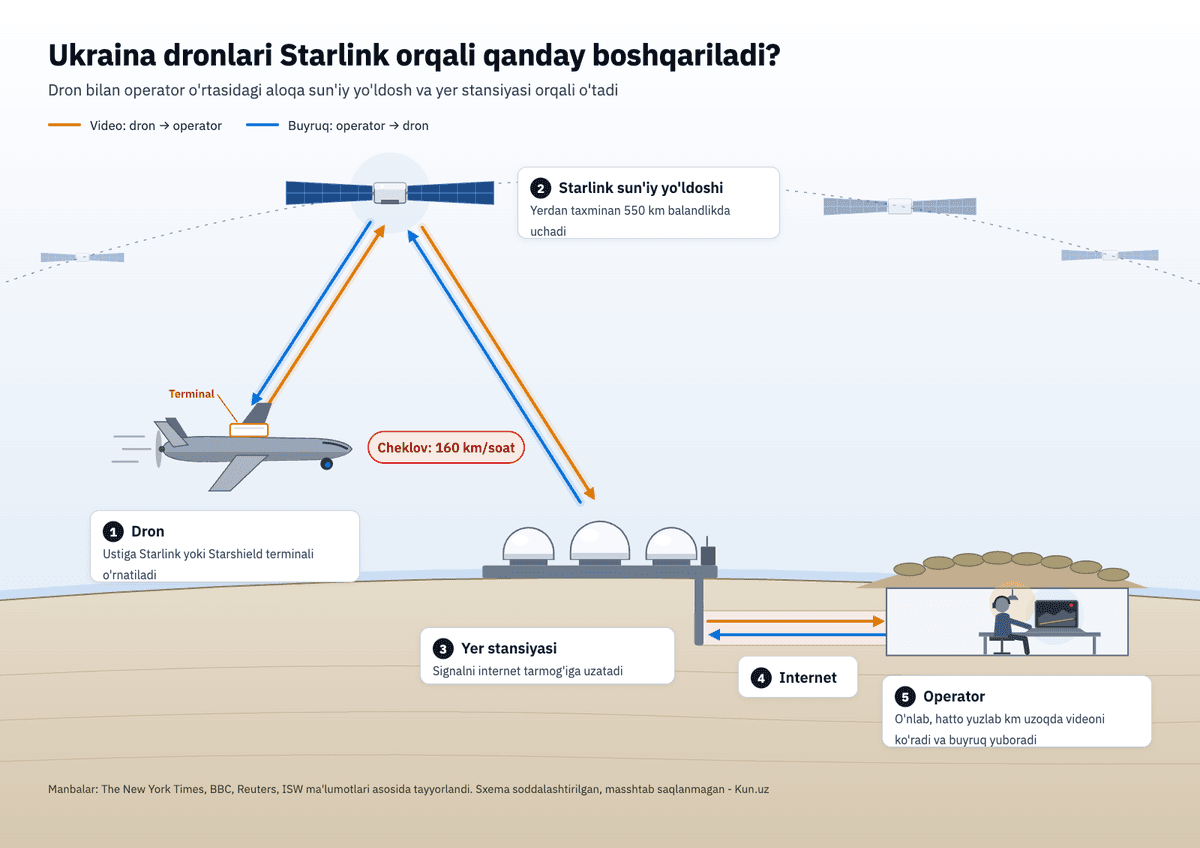
- According to Ukraine's Defense Ministry, communication was interrupted at an even lower speed; by evening it was restored to 160 km/h, but the limit remained in place
- Former Defense Minister Mykhailo Fedorov thanked Musk and called the full removal of the limit 'decisive' for Ukraine's defense
Communication restrictions become the subject of a dispute between Kyiv and Washington
Starlink satellite communications, which the Ukrainian army has relied on for more than four years, found itself at the center of disagreements between Kyiv and Washington this week. The restrictions were reported on October 14 by Serhiy Beskrestnov, the Ukrainian president's adviser on defense technology. 'Our armed forces were not warned about these restrictions, and this led to the failure of a number of missions,' he wrote.
Defense Ministry data and Fedorov's position
According to Ukraine's Ministry of Defense, during the same day communication was interrupted at an even lower speed. By evening it had been restored to a speed of up to 160 kilometers per hour, but the limit itself remained in place. Former Ukrainian Defense Minister Mykhailo Fedorov thanked Musk and wrote that the full removal of the restriction is 'decisive' for Ukraine's defense.
'The backbone of military communications'
For Ukraine, Starlink is not just internet but the army's main communication channel. George Barros, the Institute for the Study of War (ISW) director for innovations, called the system 'the backbone of Ukrainian military communications' in a comment to the BBC. According to him, the system links drones, artillery and command posts into a single real-time network, which shortens the time from target detection to strike.
How communications work on the battlefield
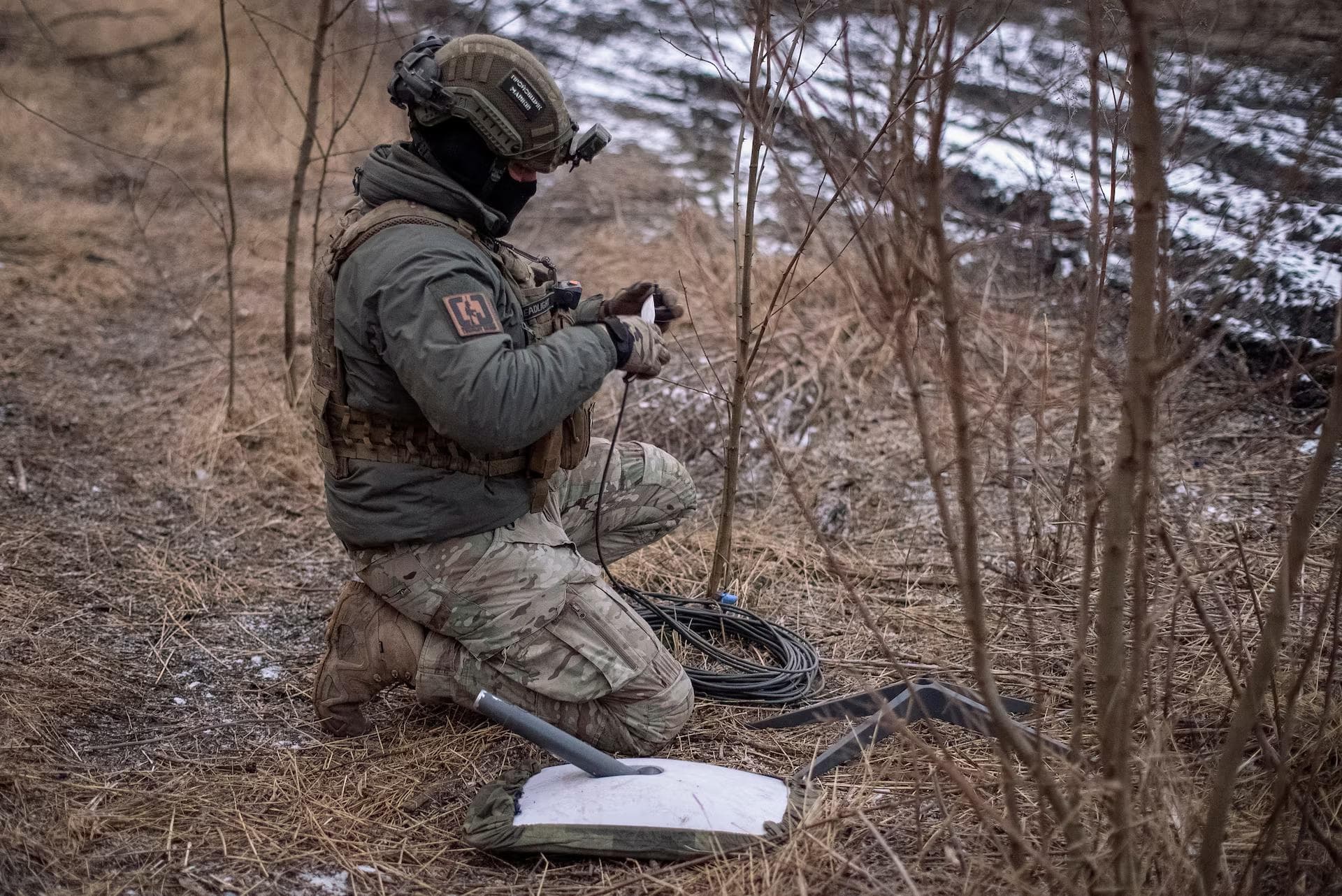
Ukrainian drones are equipped with a small Starlink terminal or its military version, Starshield, which maintains continuous communication with the satellites flying overhead. Video from the drone's camera travels via satellite and a ground station to the internet, and from there to the screen of an operator hundreds of kilometers from the front line; the operator's commands return to the drone along the same path. Conventional radio communication works over short distances and is easier to jam by electronic warfare means, whereas satellite communication is less dependent on distance and more resistant to jamming.