The key facts
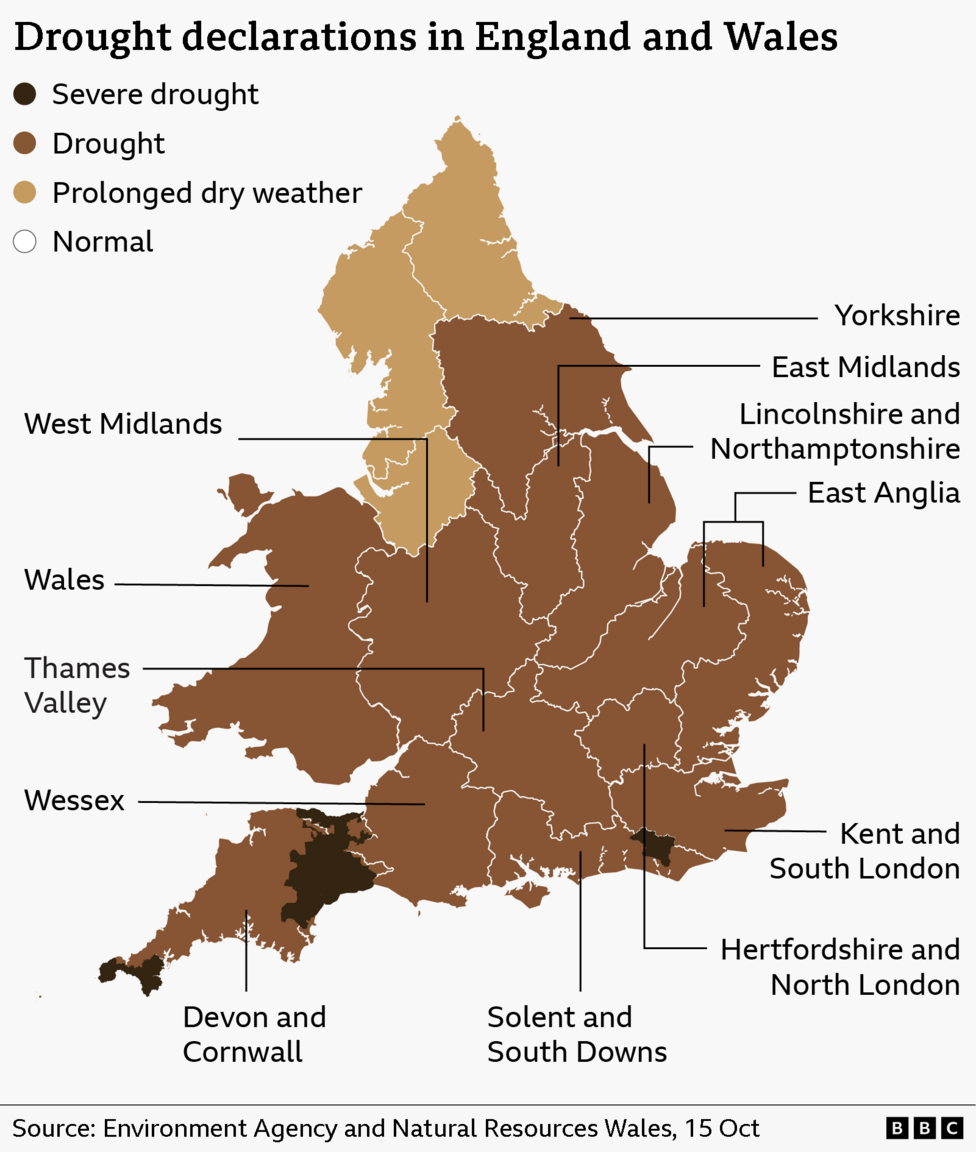
- A severe drought has been declared in parts of southern England; according to the minister, more than 80% of England is in drought, affecting around 50 million people
- Wimbleball — 14.9% of capacity, Ardingly — 19.4%; the norm for this time of year is ~75%
- Hosepipe bans are in force; companies have stepped up leak repairs, and the government requires daily monitoring of levels
Severe drought declaration
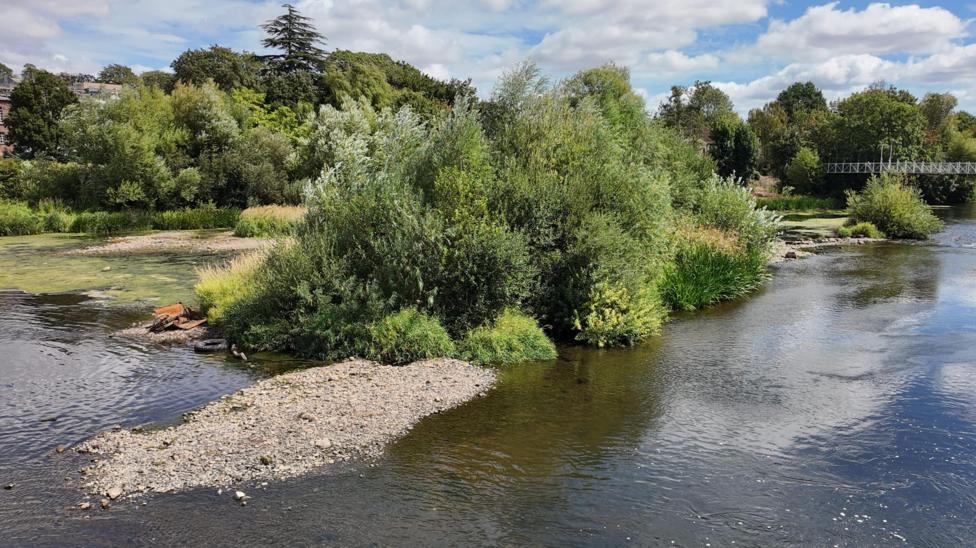
The Environment Agency declared a severe drought in parts of southern England — in Cornwall, Devon, Dorset, Somerset, and East and West Sussex — after months of low rainfall. The decision followed a water resources review by the National Drought Group. The government stated that consumer water supplies would not be interrupted, and that the severe drought status 'ensures proactive measures are taken to protect water before disruptions occur.' According to the water and floods minister Emma Hardy, after Yorkshire moved into drought status last week, more than 80% of England is in drought, affecting around 50 million people.
Reservoir levels
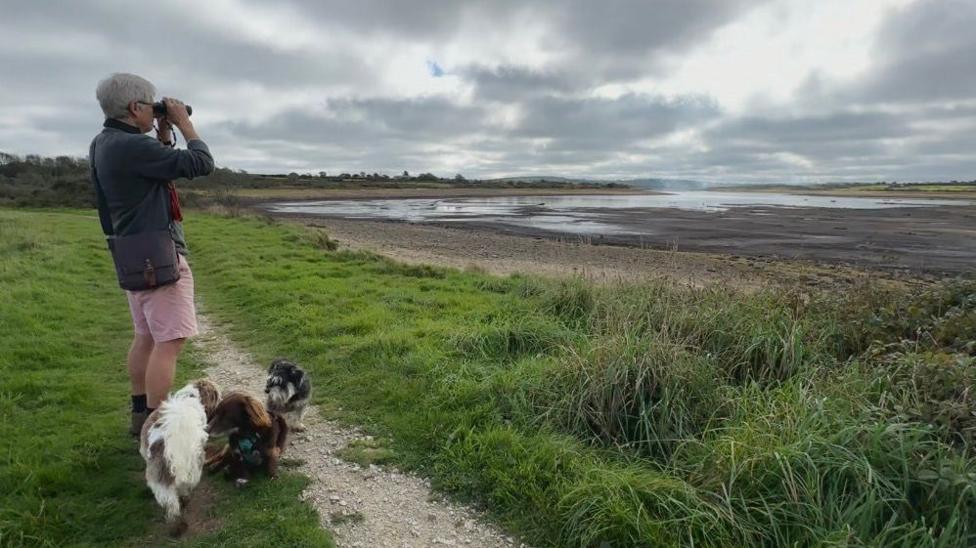
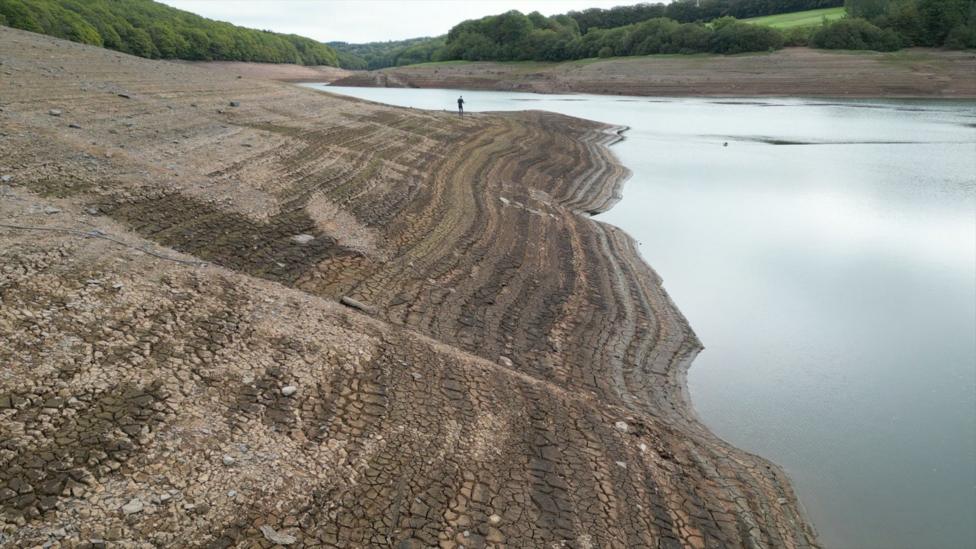
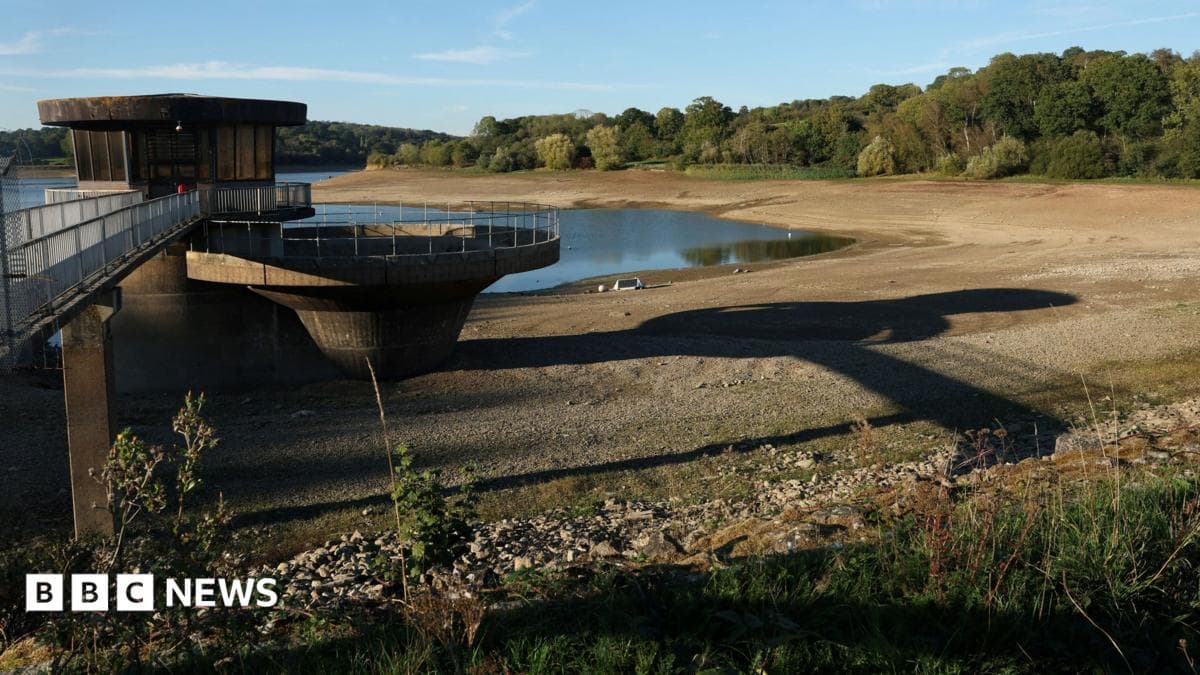
The reason for the status change was concern over two large reservoirs — Ardingly in West Sussex (19.4% full) and Wimbleball on Exmoor (14.9%). Wimbleball supplies about 300,000 properties in east and north Devon, Somerset, west Dorset and west Somerset; Ardingly supplies 280,000 customers in Sussex. Also low are Roadford in Devon (36.8%), Burrator (33.6%), Colliford in Cornwall (35%) and Stithians (21.9%). Colliford and Wimbleball are classified as having exceptionally low levels. The Agency expects that at this time of year reservoir stocks should be around 75%; according to the latest report, stocks continue to fall at most reservoirs in England.
Government and company measures
Ministers have instructed water companies to carry out daily monitoring of reservoir and river levels and to strengthen water quality controls; the Environment Agency will increase inspections of companies abstracting water from natural sources. The Agency has issued drought permits to South East Water and South West Water, allowing them to reduce the release of water from reservoirs into rivers by millions of litres per day. Southern Water has also applied for a water use restriction in Hampshire and on the Isle of Wight. The Agency's director for Devon, Cornwall and the Isles of Scilly, Mark Rice, said the measure 'pushes back the day when further restrictions will be needed,' so that they are not needed in winter and the reservoirs can refill.
Hosepipe bans and leaks
A hosepipe ban has been in force in Devon, Cornwall, the Isles of Scilly and parts of Dorset and Somerset since 8 August with no set end date; South West Water attributed it to prolonged hot and dry weather and high demand. Wessex Water, supplied from Wimbleball, introduced its first hosepipe ban in 50 years in August and said restrictions will remain in place for the foreseeable future; water director Will Willoughby noted record demand — over 400 million litres per day for 48 days. South East Water (more than 2 million customers) reported that 92 crews are repairing leaks in Sussex and Kent; according to the company, the number of leaks in the area has fallen from 181 to 97, and more than 1,300 leaks have been repaired since 1 April. Chief operating officer Douglas Whitfield said standpipe hydrants remain part of the drought contingency plan but are unlikely to be needed; according to him, a wet winter is forecast, though the timing is unclear.
Reaction of politicians and farmers
Environment Minister Dame Angela Eagle described the level of drought as one 'we have not experienced in decades' and urged people to use water wisely. Emma Hardy told the House of Commons that 'this is the new norm of our weather' and that the government is preparing for it. Shadow minister Robbie Moore accused the government of a 'slow response', noting this is the third drought in five years. Environment Agency chief Philip Duffy called on companies to follow drought plans and urged everyone to use less water. Deputy president of the National Farmers' Union Paul Tompkins called the year 'a hard one for farmers': conditions complicated harvesting and livestock watering, and a possible dry winter could affect next year's harvest.
Forecast and criteria
The Environment Agency reported that usual seasonal rainfall has not yet arrived and 82% of England remains in drought; in some areas, recovery requires 120% of expected rainfall over the next six months, otherwise 'drought conditions will persist and may worsen.' Severe drought is the most serious level, declared when there is evidence that drought is causing or will soon cause serious harm and extraordinary measures are required to protect people, water supplies, the environment, agriculture, infrastructure or critical services.
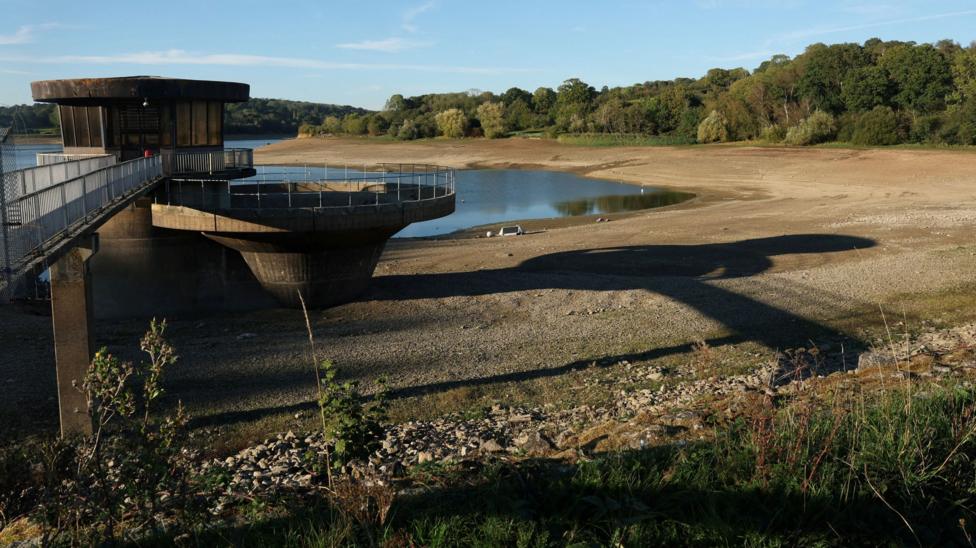 Image source, Reuters
Ardingly Reservoir's level of about 20% helped spark the severe drought
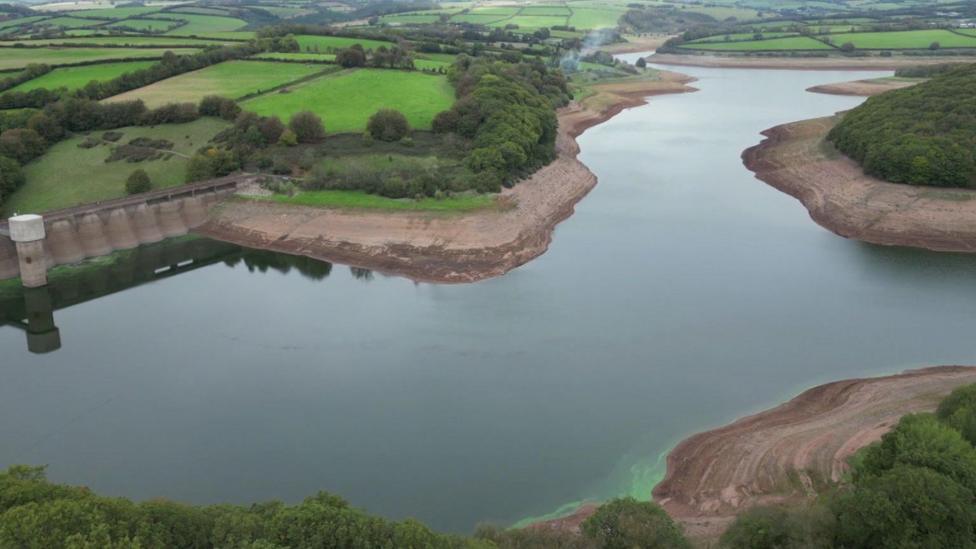
Water levels have fallen to about 15% at Wimbleball reservoir on Exmoor
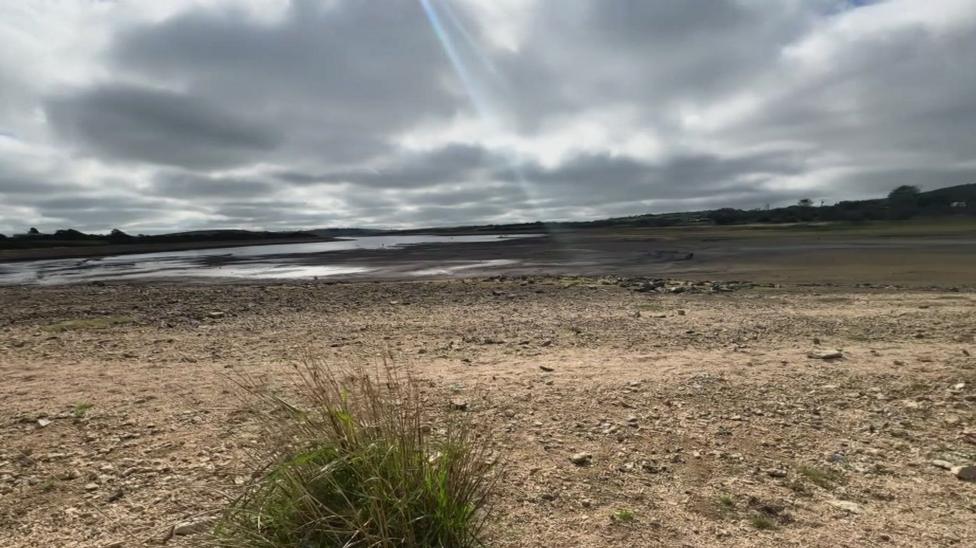
Stithian's Lake in Cornwall is just over 21% full