The key facts
- Musk: Starshield is owned and controlled by the US government; restrictions are set by the military and President Trump.
- Ukrainian defense officials suggest the terminal slowdown is Washington's doing; Trump denies threatening to cut off intelligence on missile launches.
- Russia accused Ukraine of strikes on two refineries despite the 'energy truce'; Kyiv called the statement fake; Meloni criticizes the US-Russia diesel deal.
Musk: restrictions are set by Washington
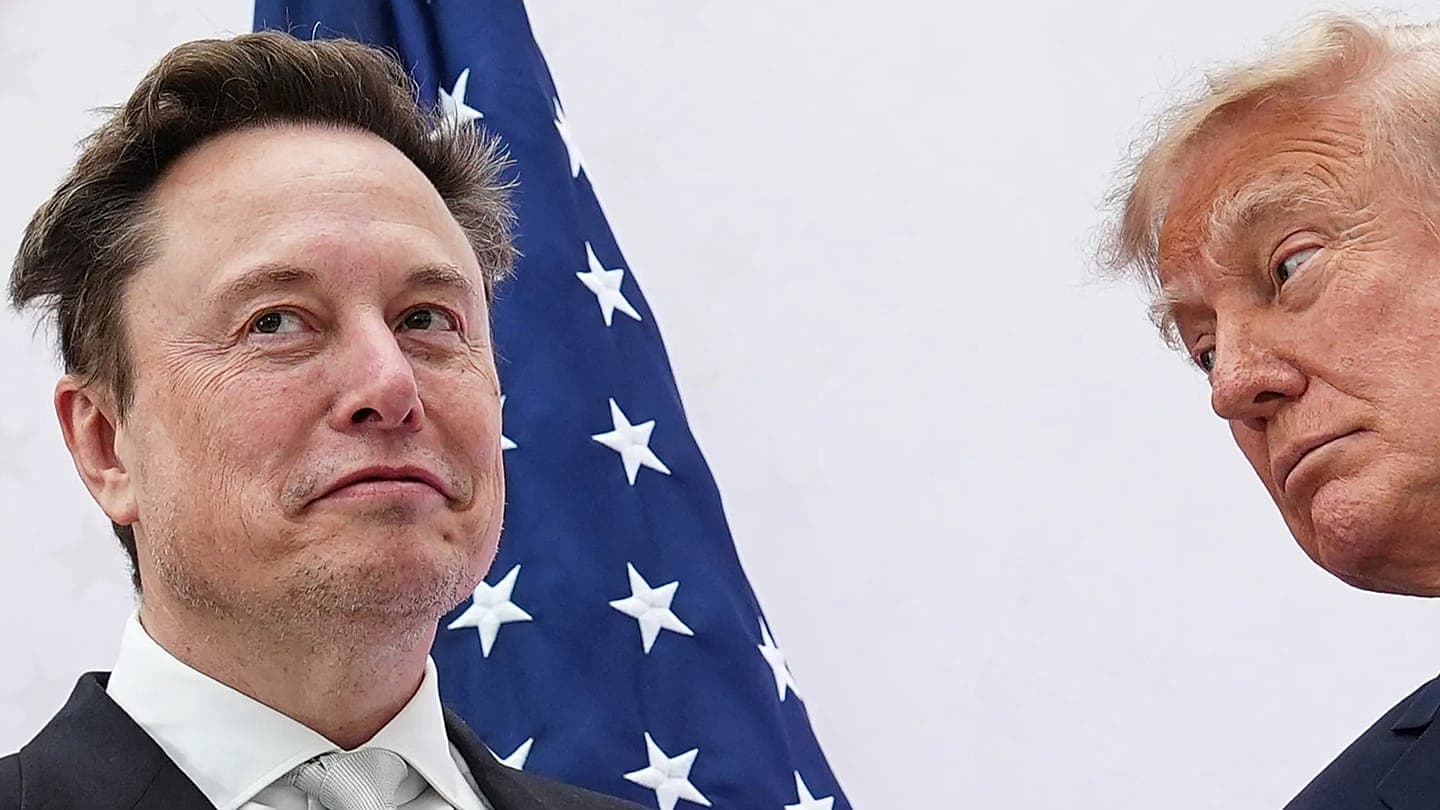
SpaceX chief Elon Musk said that the US government, not his company, is responsible for any disruptions to the Starshield satellite communications system reported by Ukraine. 'Starshield systems are owned and controlled by the US government. Any speed or usage restrictions are set by the American military and ultimately by the US president,' Musk stressed, referring to Donald Trump. He also distinguished between the military Starshield system, which Ukraine relies on for battlefield communications, and the civilian Starlink, which Kyiv uses but may not employ for offensive operations. Both systems were developed by SpaceX.
Reaction to Fedorov's post
Musk was responding to a message on X from former Ukrainian defense minister Mykhailo Fedorov. He wrote that 'Starlink connectivity at speeds up to 160 km/h is being restored,' but that 'the full removal of Starshield speed restrictions is now critically important for Ukraine's defense,' and thanked Musk for his 'unwavering support.' Ukrainian defense officials suggested that Washington was behind the slowdown of some internet terminals that help the military strike occupied territories and control interceptor drones.
Accusations against the US and Trump's denial
Ukraine also accused the US of aiding Russia, claiming that Washington failed to warn about impending missile strikes: Kyiv was hit by ballistic missile attacks two evenings in a row, and air raid sirens went off only after the shelling had begun. A senior official in Kyiv confirmed that the US in recent days had threatened to stop providing intelligence on Russian missile launches, which Ukraine uses to repel attacks. On Tuesday, Trump denied having given such an order. Opposition Democrats in the US Senate and House of Representatives criticized the administration over reports of communication disruptions. Trump, who faces midterm elections next month where fuel prices are one of the main issues, blamed Ukrainian strikes on Russian refineries for reduced supplies and rising prices at the pump.
Exchange of accusations over the 'energy truce' and night attacks
On Wednesday, Russia accused Ukraine of attacking two oil refineries in violation of the 'energy truce.' Kyiv rejected the accusations as 'fake,' clarifying that strikes had hit other targets and that 'the refineries were not affected.' The dispute arose amid the aftermath of a night Russian attack in which at least one person was killed and more than 20 injured; a fire broke out in a residential building after the shelling. According to Zelensky, the strikes hit the Darnytsia CHPP-4, which supplies the capital with heat and electricity. Russia said it shot down 900 Ukrainian drones overnight, including 180 in the Moscow region.
Meloni against the diesel deal
In Rome, Italian Prime Minister Giorgia Meloni called the agreement between the US and Russia on purchases of Russian diesel fuel, concluded last Friday, 'an extremely risky choice' and 'a legitimization of Moscow's actions while its bombs are still falling on Ukrainian cities.' Speaking in parliament ahead of a trip to Brussels for the European Council meeting on Thursday and Friday, she warned of an 'indirect weakening of sanctions pressure' which, she said, contradicts what has been done so far, including by the US, 'to force Putin to the negotiating table.'


