The key facts
- The US eased sanctions on Russian diesel imports until April 2027 for the sake of the Trump-Putin deal
- Radev backed the deal due to high fuel prices and criticized Ukraine's strikes on refineries
- Kallas called the deal a gift for Putin; Kristersson — a step in the wrong direction
Rift at the EU summit
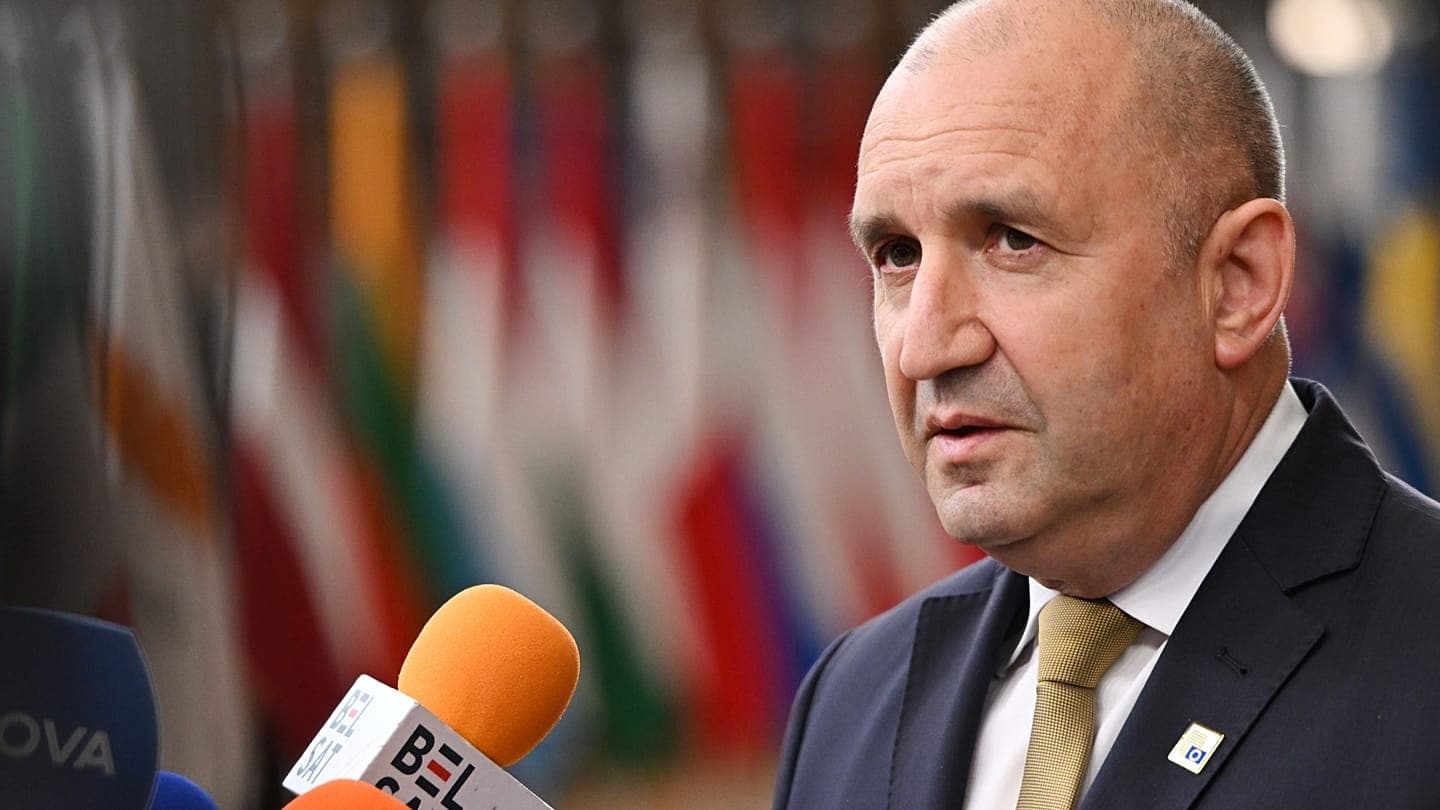
Bulgarian leader Rumen Radev caused surprise in Brussels by backing the controversial diesel supply deal agreed by US President Donald Trump and Russian President Vladimir Putin despite Western sanctions. According to Euronews, the English version of the article refers to him as Prime Minister of Bulgaria, while the Russian version of the same outlet calls him president. Speaking upon arrival at the two-day summit of leaders, Radev said: "You know what our problem in Europe is right now? High fuel prices," adding that any step toward lowering prices and ensuring competitiveness is welcome.
Reaction of European leaders
Radev's position diverged from the view of most EU leaders, who condemned the deal as risky, dangerous and wrong. To implement it, the US eased sanctions on imports of Russian diesel fuel, allowing supplies until April 2027. Swedish Prime Minister Ulf Kristersson said: "We deeply regret this diesel agreement. The volumes may be small, but it is a step in the wrong direction. Any step that helps Russia increase funding for the war is a bad sign." EU High Representative Kaja Kallas, in an interview with Euronews, called the deal a "gift for Putin" against the backdrop of intensified Russian bombing: "What did he give in return? We see that, on the contrary, he is stepping up attacks on civilians and civilian infrastructure. The announced ceasefire by Russia is in fact not being honored."
Criticism of strikes on refineries
Another departure from the EU consensus was Radev's criticism of Ukraine's strikes on Russian oil refineries — actions that Trump called on President Volodymyr Zelensky to immediately stop. According to Euronews, Zelensky has made clear that the operations will continue. "I do not support strikes on any oil refineries. I do not support strikes on any energy facilities — just as I do not support Russian attacks on Ukraine's energy infrastructure — because in the end it hits us ourselves. Prices in Europe are rising sharply," Radev said.
The parties' positions
Most European leaders backed Zelensky, believing that strikes on Russian refineries give Kyiv a powerful lever of pressure on Moscow. According to Euronews, they view Trump's request as an attempt to lower fuel prices ahead of the US midterm elections, in which Republicans risk losing control of both chambers of parliament to the Democrats. Since winning the election earlier this year, Radev has taken a position at odds with the overall EU course on Russia's full-scale invasion of Ukraine: he recently told the outlet that the EU's "peace through strength" strategy has failed and called on leaders to move to diplomatic engagement with the Kremlin.


