The key facts
- According to Kyiv, SpaceX introduced an overnight Starlink speed limit of about 160 km/h; when exceeded, the terminal lost connection, disrupting a number of drone missions
- Musk claims Starshield is owned and operated by the US government; the reason for the restrictions remains unclear, connectivity was restored by Wednesday evening
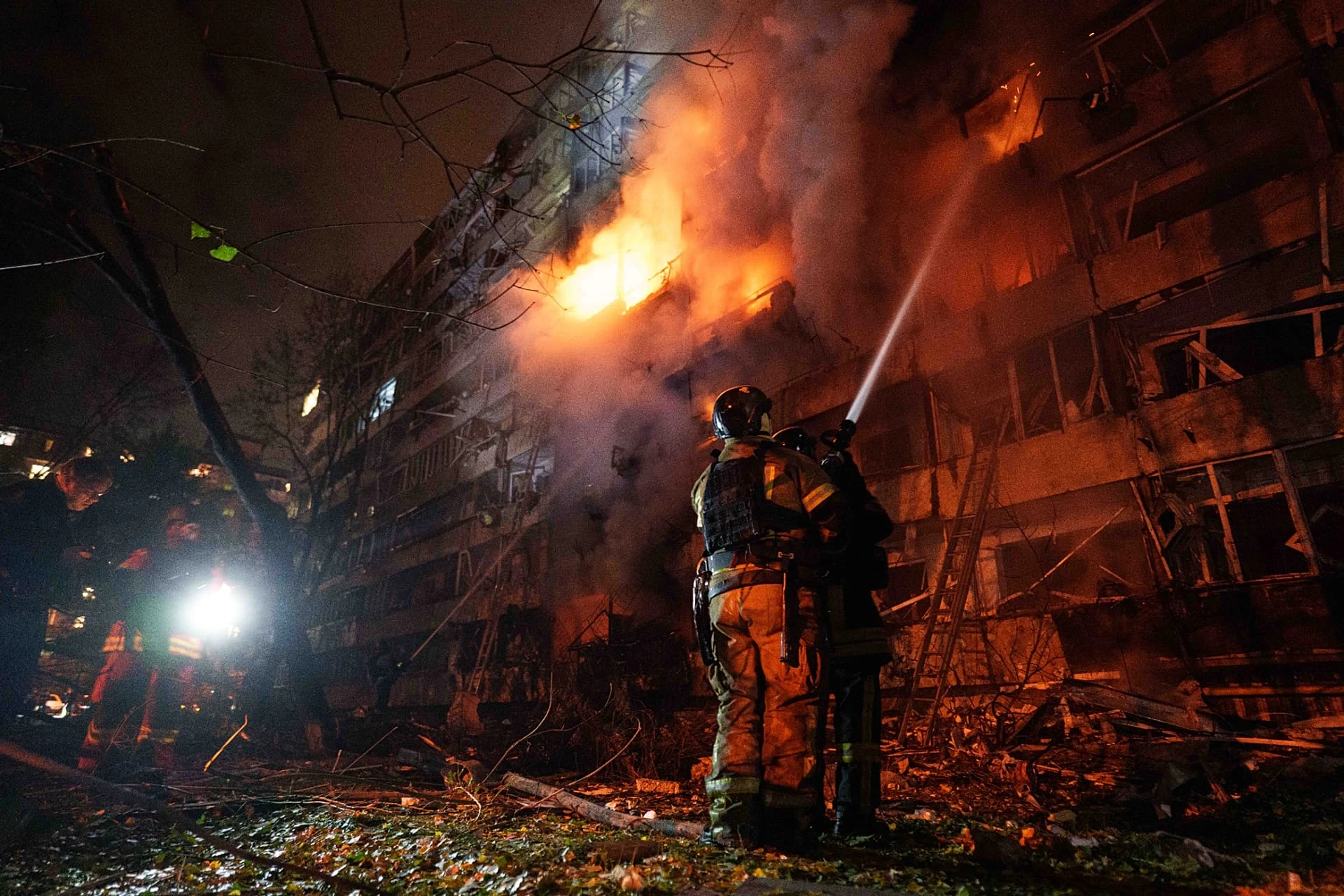
- Overnight Russia struck Kyiv and Kharkiv: 39 missiles and more than 120 drones, about 600,000 people left without electricity, people killed in Kyiv and Lutsk
Starlink speed restriction
Serhiy Beskrestnov (call sign 'Flash'), adviser to Ukrainian President Volodymyr Zelensky on military technology, said on Telegram that SpaceX had introduced a speed limit for Starlink terminals overnight — about 160 km/h (100 mph) — without warning Ukrainian forces. 'Our defense forces received no warning of this restriction, and it led to the failure of several missions,' he wrote. According to sources in Ukraine's defense ministry speaking to the BBC, when the speed threshold was exceeded the terminal lost connection, hampering the work of interceptors and medium strike drones, as well as logistics, reconnaissance and signal relay. Beskrestnov called Starlink the most effective tool for intercepting Russia's new jet-powered drones and said the move 'cannot be a coincidence and is connected to the current political situation.' Ukrainian volunteer Serhiy Sternenko suggested SpaceX may have acted at the request of Donald Trump's administration, but there is no independent confirmation of this, and the reason for the restrictions remains unclear. By Wednesday evening, connectivity had been restored, according to the BBC.
Musk's reaction and Kyiv's position
Elon Musk wrote on X that the Starshield systems (the military version of the service) 'are owned and controlled by the US government,' and that any speed limits are determined by the US military and ultimately the president. According to him, civilian Starlink is a commercial SpaceX service, limited to civilian or defensive use and not intended for offensive military operations. During a visit to London, Zelensky first expressed hope that it had been a mistake, but later told the Financial Times: 'It was not a technical problem, it was will.' The restrictions reportedly affected Starshield specifically. Against this backdrop, Musk's public criticism of Zelensky drew attention: on Saturday he wrote on X 'Zelensky has gone too far,' commenting on a White House video criticizing Ukrainian strikes on Russian oil facilities. No link between the restrictions and the diplomatic conflict has been established.
Starlink's importance for the front
Starlink is the world's largest satellite constellation (more than 10,000 active satellites), providing connectivity between Ukrainian drones and operators over long distances and resistance to jamming. George Barros of the Institute for the Study of War called the network 'the backbone of military communications in Ukraine.' Russia has no right to use Starlink, so the network does not work during Ukrainian strikes on targets deep inside Russia. For the defense of Kyiv, the network is critical in the fight against jet-powered Shahed-type drones flying at speeds above 319 km/h — with a 160 km/h limit, interception became practically impossible. Former US Ambassador to NATO Kurt Volker called the network slowdown 'a cynical and heartless decision.' In February, Musk's decision to deny Russian forces access to Starlink slowed Moscow's advance.
Russian strikes and the 'energy truce'
The restrictions coincided with the second consecutive night shelling of Kyiv. According to Ukraine's armed forces, Russia launched 39 ballistic and cruise missiles and 128 drones; four missiles and 115 drones were shot down. Zelensky reported damage to 26 power grid facilities and four oil and gas installations, with at least 600,000 people left without electricity. Three people were killed in Kyiv, and local authorities reported six killed in a drone strike on a warehouse in Lutsk. Russia said its 'massive' strikes targeted military communications and energy facilities. The strikes hit 'critical' energy infrastructure in Kyiv, the region and Kharkiv — despite the 'energy truce' announced by Trump on Sunday. Zelensky wrote on X: 'Russia has never before shown such demonstrative disrespect toward the United States,' and called on Trump to tighten sanctions and supply more Patriot interceptors. Russian Foreign Minister Sergey Lavrov said Ukraine does not deserve a 'respite.'
Tensions in relations with the US
Zelensky said the US threatened to restrict intelligence sharing if Ukraine continued strikes on Russian oil refineries; Trump denies this, and Ukrainian officials say cooperation continues. Meanwhile, over the last two nights missiles hit Kyiv without air raid sirens warning, and Zelensky said Ukraine for the second evening in a row did not receive advance warning from partners. Relations deteriorated after a US deal with Russia to ease restrictions on imports of Russian diesel fuel — Zelensky called it a 'gift' to Putin, and Trump responded by saying 'it's time for Ukraine to get a new president.' The BBC notes the deal is linked to the administration's desire to lower fuel prices ahead of the midterm elections. While in London meeting with UK Prime Minister Andy Burnham, Zelensky agreed that he feels betrayed by the US. According to the BBC, the White House and the Pentagon were asked for comment.