The key facts
- On the night of October 14, four people were killed in Kyiv and more than 25 injured; Russia's Defense Ministry confirmed strikes on CHP and TPP facilities in Kyiv, Kyiv region and Kharkiv region.
- Zelensky: 39 ballistic missiles and more than 120 drones, at least 600,000 people without electricity, 26 power sector facilities and 4 oil and gas facilities damaged.
- Trump announced an 'energy truce' on October 11; Russia has not confirmed its participation, and Ukraine did not attack Russian oil refining for two days.
Strikes on Kyiv and Other Regions
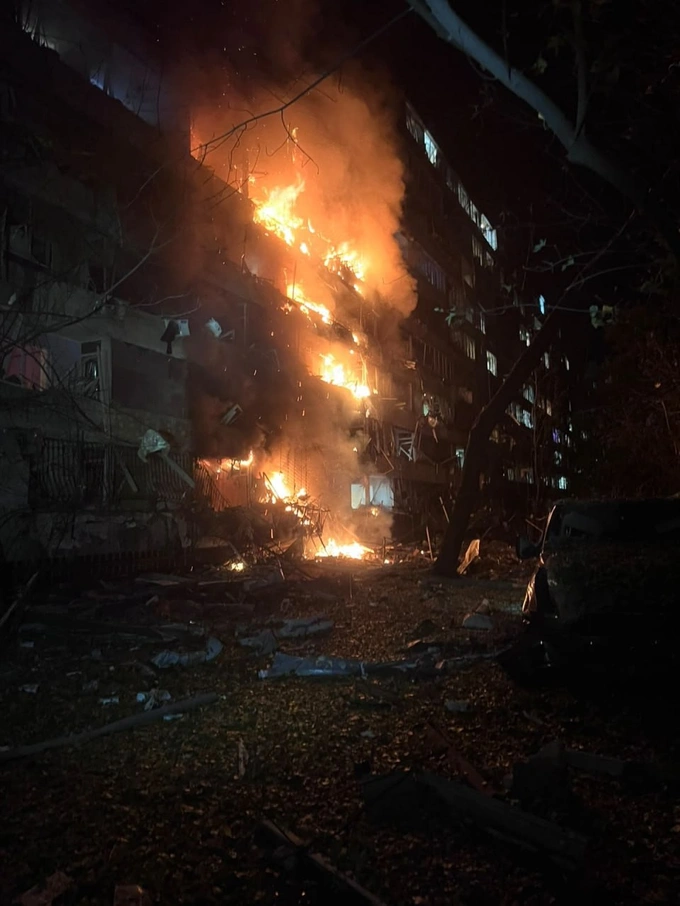
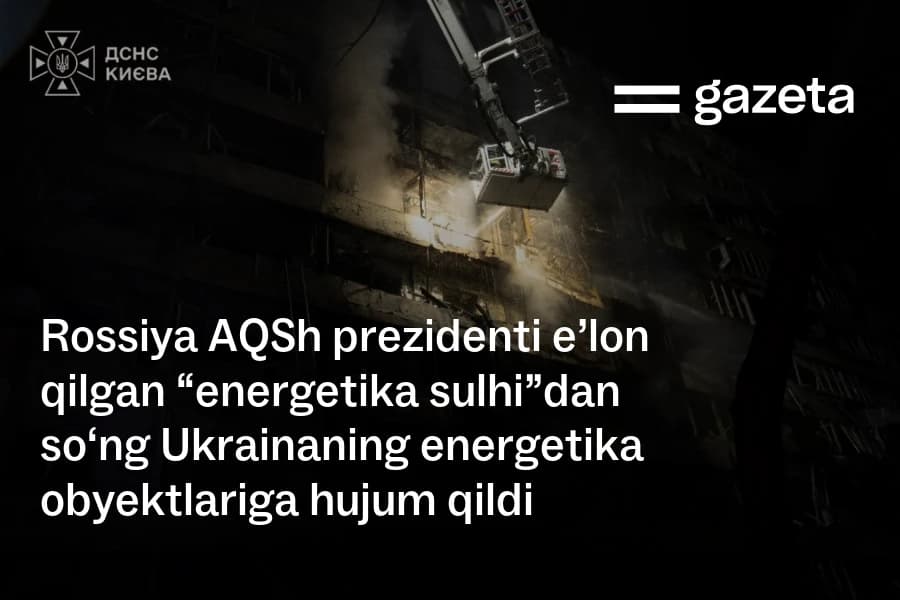
From the evening of October 13 until the morning of October 14, Russian forces carried out a series of strikes on Kyiv. According to updated data from the Kyiv City Prosecutor's Office, four people were killed and more than 25 local residents were injured. In the Desnianskyi district, a missile hit a nine-story residential building: fire engulfed apartments from the first to the eighth floor, and rescuers evacuated 16 residents from the building; in this district, according to updated data, three women were killed. One more person died when a non-residential building was hit in the Holosiivskyi district. Kyiv Mayor Vitali Klitschko said that a massive strike with ballistic missiles affected energy facilities in Kyiv and the region.
Consequences in Other Regions
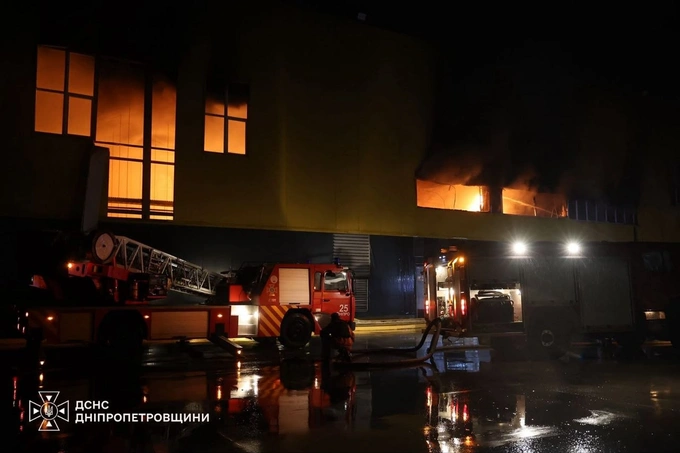
According to the State Emergency Service of Ukraine, in Dnipro an enterprise was hit: a man was injured and a large fire broke out, which rescuers extinguished. In Ternopil, a drone damaged an administrative building where premises on the second floor caught fire; the fire was extinguished, and no injuries were initially reported. In Khmelnytskyi region, after a drone attack, fires broke out at enterprises in the Khmelnytskyi and Shepetivka districts; due to falling debris, a gas station caught fire, and two people received minor injuries. In Khmelnytskyi itself, debris caused fires in two private households.
Scale of the Attack According to the Sides
President of Ukraine Volodymyr Zelensky said that overnight Russia used 39 ballistic missiles and more than 120 strike drones and loitering munitions against the energy and critical infrastructure of Kyiv, Kyiv region and Kharkiv. According to him, at least 600,000 people were left without electricity, and 26 facilities and components of the power sector and four oil and gas facilities were damaged. Russia's Defense Ministry stated that it carried out a massive strike on the communication and energy infrastructure of Kyiv, Kyiv region and Kharkiv region; according to the ministry, Kyiv CHP-4, CHP-5 and CHP-6, the Trypillya and Zmiiv TPPs, Kharkiv CHP-5 and the 'Kyivska' substation were hit. According to Zelensky, the evening strike hit the territory of CHP-4 — one of Kyiv's main power plants.
'Energy Truce' and the Positions of the Parties
On October 11, the US President wrote on Truth Social that Russia and Ukraine had agreed to stop strikes on energy facilities and that it was taking effect immediately; he provided no details. In his evening address on October 11, Zelensky welcomed the statement and confirmed Ukraine's readiness to stop strikes on Russian energy if Russia took similar steps, saying that the Armed Forces of Ukraine had received the relevant orders. At the same time, according to him, Russian attacks continued, including on CHP-5 in Kharkiv. The Russian side has not confirmed its participation in the truce: Russian presidential press secretary Dmitry Peskov said on October 13 that contacts on this issue continue, and suggested directing the question of whether Moscow had agreed to the American president. Zelensky said on October 13 that after Trump's statement, Ukraine had not attacked Russian oil refining and energy for two days, while Russia continued strikes on Ukrainian facilities.
Missile Warnings and Intelligence
Zelensky said that for the second time in a week, partners failed to warn Ukraine about the launch of ballistic missiles. According to him, before the previous strike with five ballistic missiles on Kyiv there was also no warning, and on the night of October 14 the Ukrainian system detected the missiles only on approach to the city; he named CHP-4 as the main target of the strike. In an interview with NPR on October 13, Zelensky said that the Trump administration had warned of a possible cessation of intelligence sharing if Ukraine did not stop strikes on Russian oil refineries; according to him, Ukrainian generals received the warning, but it was not conveyed to him personally. The White House did not respond to NPR's question about whether the administration had threatened to stop intelligence sharing, citing Trump's October 13 statement that the US continues to help Ukraine and share intelligence. That same day, Trump told journalists that the US continues to share intelligence with Ukraine.
Diesel Fuel Deal
On October 9, Trump announced an agreement with Russian President Vladimir Putin on supplies of Russian diesel fuel to the American and global markets. According to him, Russia must immediately supply more than 300,000 tons, followed by additional volumes; he explained the decision by the desire to lower fuel prices in the US. The same day, the US Treasury issued a general license for transactions involving the sale, delivery, unloading and import of Russian diesel, including supplies to the US, until April 7, 2027. Imports of Russian oil and petroleum products to the US were banned by Joe Biden's executive order of March 8, 2022. In addition, on October 22, 2025, the Trump administration imposed blocking sanctions on Rosneft and Lukoil, explaining them as necessary to reduce Russia's war revenues and achieve a ceasefire.