The key facts
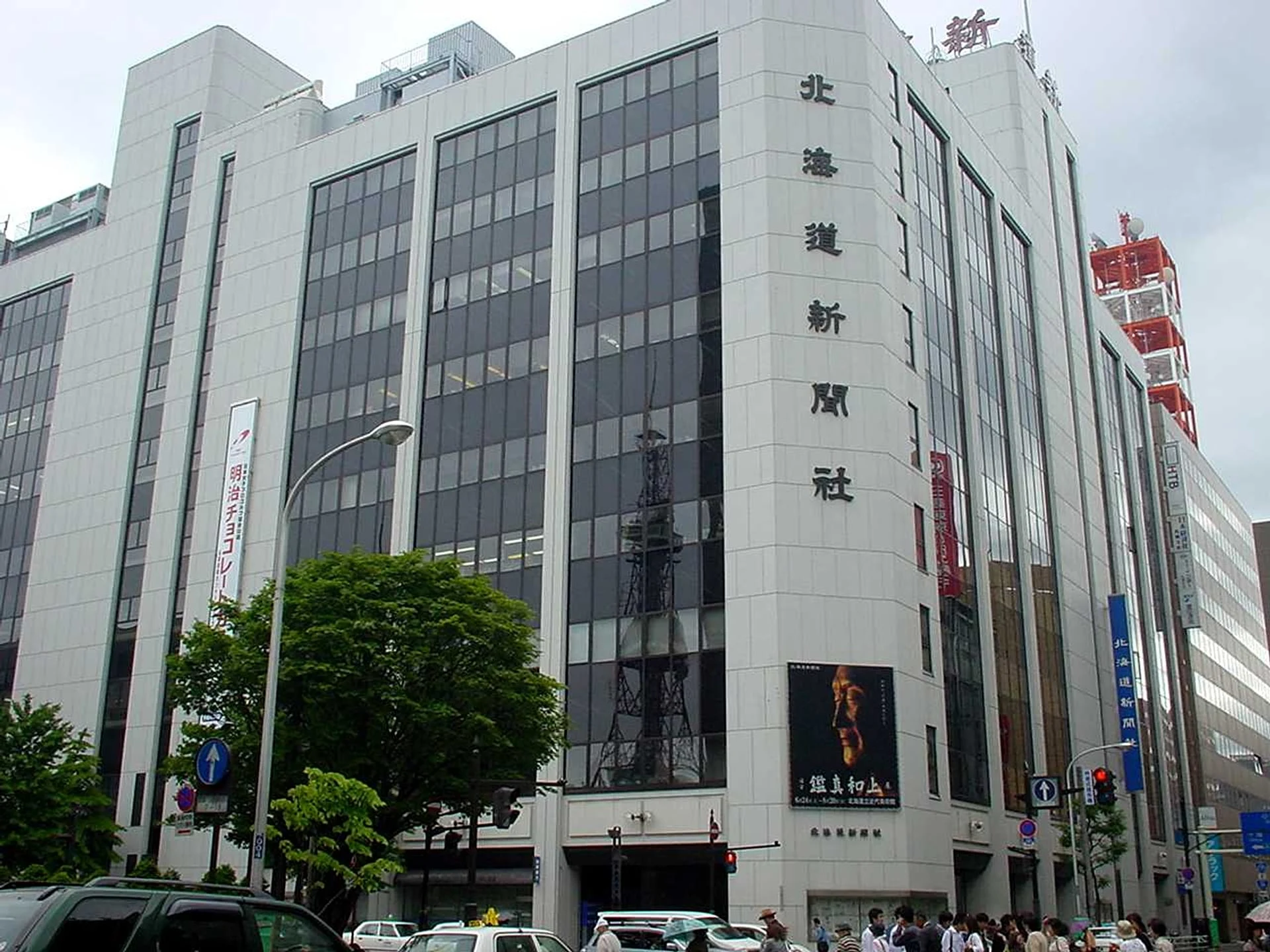
- The FSB detained Hokkaido Shimbun journalist Yuki Imai on Sakhalin on espionage charges; the court ordered his detention until December 12, with a sentence of 10 to 20 years possible
- Japan was unable to contact the journalist before the arrest was announced and summoned Russian ambassador Nikolai Nozdrev in protest
- This is the first arrest of a foreign journalist in Russia since 2024, when Evan Gershkovich was released
Detention and charges
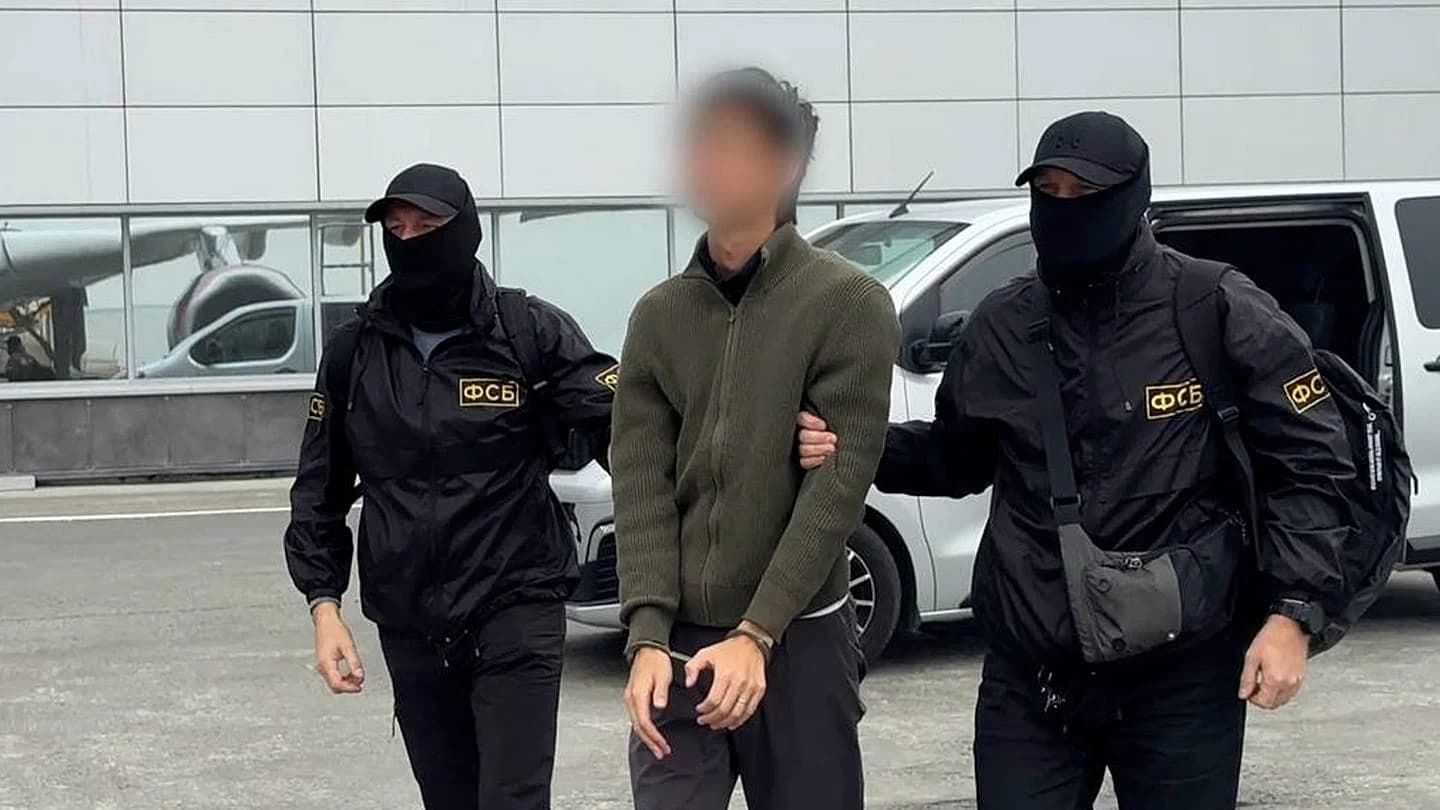
On Tuesday, October 14, 2026, the FSB announced the detention of Yuki Imai, a correspondent for the Japanese newspaper Hokkaido Shimbun, in the Sakhalin region. According to the agency, he was 'collecting and storing information relating to the country's defense capability' for transfer to Japanese intelligence. In a video published by the FSB, masked security officers storm a hotel room, handcuff a man lying face down on the floor, and conduct a search. One of the officers on the recording explains that the journalist allegedly collected data on the recruitment of mobilized men and contract soldiers among residents of the Kuril Islands. The Russian Foreign Ministry said a case had been opened under Article 276 of the Criminal Code on espionage, which carries a penalty of 10 to 20 years' imprisonment.
Arrest and court
Yuki Imai was taken to Moscow, where the Lefortovo court authorized his arrest for 'at least two months' with detention in the Lefortovo pre-trial detention center. According to Russian media, he will remain in custody until December 12. Foreign Ministry spokesperson Maria Zakharova said that Tokyo's attempts to 'use its correspondents in Russia to collect information aimed at undermining state security' are 'not an isolated case'. Kremlin press secretary Dmitry Peskov said at a briefing: 'If there are spies, they are caught.'
Reaction of Japan and the newspaper
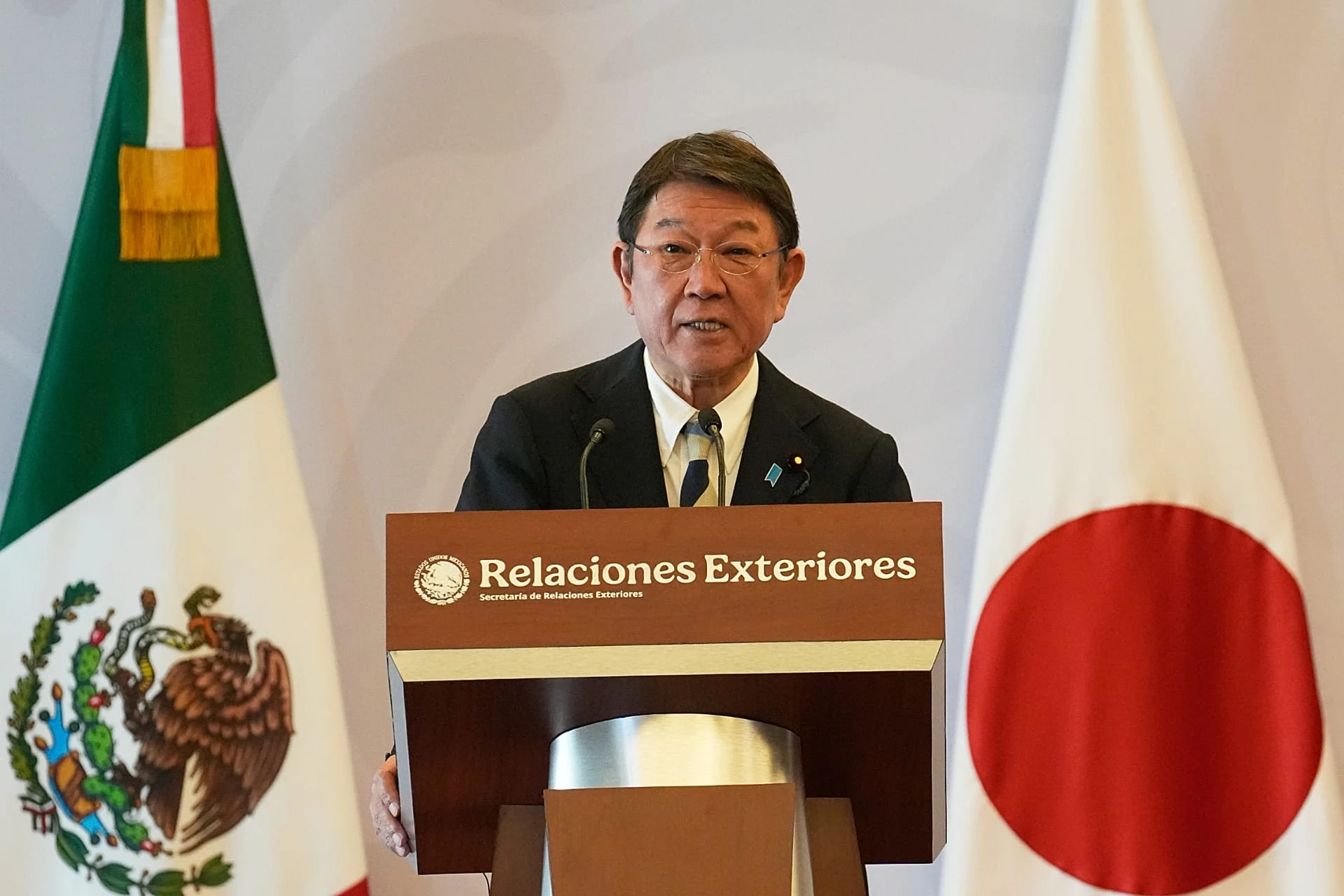
The Japanese government requested explanations from Moscow. Chief Cabinet Secretary Minoru Kihara said Japan had been unable to contact the journalist and did not know about the arrest before the official announcement. Foreign Minister Takeshi Iwaya — as rendered in the source, Toshimitsu Motegi — reported that the Japanese embassy in Moscow and the consulate general in Yuzhno-Sakhalinsk demanded that information be provided immediately and that 'humane, fair and impartial' treatment be ensured. On Wednesday, the European affairs department of Japan's Foreign Ministry, represented by Kimiaki Nakamura, summoned Russian ambassador Nikolai Nozdrev and expressed a 'resolute protest' over the detention and 'one-sided statements' in the case. The newspaper Hokkaido Shimbun said it was 'confirming the details', and that the journalist's safety is its top priority.
Who is Yuki Imai
According to Russian publications, Yuki Imai is 34 years old, held accreditation from the Russian Foreign Ministry, and had been visiting Russia since at least 2014. In the summer he took part in an expedition in Primorye to sites where Japanese prisoners of war were held during the Soviet-Japanese War of 1945; in September he was preparing a report on a monument to 'victory in the Great Patriotic War over militarist Japan' in Khabarovsk; and in October his article about the presence of North Koreans in the region was published. Hokkaido Shimbun is a major Japanese publication covering events in Sakhalin and the Kuril Islands, as well as Russia's relations with Japan and North Korea.
Context
This is the first arrest of a foreign media employee in Russia since 2024, when Wall Street Journal journalist Evan Gershkovich, sentenced to 16 years on a similar espionage charge, was released as part of a prisoner exchange between Russia and the United States. In 2019, a Kyodo News reporter was detained in Vladivostok, who was also accused of intelligence activity; at that time he was ordered to leave the country within 72 hours. The human rights organization Reporters Without Borders called for the journalist's rights to be respected and for his release, noting that gathering information is part of journalism. The arrest comes against the backdrop of deteriorating relations: Japan has joined anti-Russian sanctions since 2022, in August Vladimir Putin visited the Kuril Islands for the first time, which provoked a 'resolute protest' from Tokyo, and a week ago the Prosecutor General's Office of Russia demanded that the Netherlands extradite ICC president Tomoko Akane, a Japanese national, which Tokyo called 'unacceptable' and 'unfair'.