The key facts
- Cornell suspended all parties and events at IFC houses through the end of the 2026–2027 academic year with a 'zero tolerance' policy for violations
- According to the Russian-language version of Euronews, after an internal investigation only two of the seven accused students were expelled, while the others received lighter sanctions
- An independent investigation has been ordered under the leadership of former U.S. Deputy Attorney General Sally Yates; no criminal charges have been filed
University cancels fraternity parties
Cornell University, an Ivy League institution located in Ithaca, New York, has suspended all parties and social events at Interfraternity Council (IFC) houses through the end of the 2026–2027 academic year. The decision was made amid growing criticism of the university's response to an alleged gang rape at a fraternity house in 2024. In a statement on Tuesday, Cornell President Michael Kotlikoff said he 'deeply regrets the harm done to Jane Doe' and that 'this act of sexual violence occurred in our Cornell community.' According to him, the pause will allow for a 'thorough review of fraternity life at Cornell to determine whether they can be allowed to continue to exist and how to do so safely.' The university will apply a 'zero tolerance' policy: any fraternity organization that holds a party or event on its premises will be suspended.
The lawsuit and circumstances of the case
In September, a woman presented to the public as 'Jane Doe' filed a lawsuit alleging that several fraternity members 'plied her with alcohol and drugs to the point of intoxication,' after which she was subjected to sexual violence. According to the Russian-language version of Euronews, the alleged perpetrators then spread messages about an 'available' woman on campus in the fraternity's Snapchat channel and in private text messages. The fraternity's activities were suspended after Jane Doe first reported the incident, and the university applied disciplinary measures to a number of students, but no criminal charges were filed.
Protests and criticism of disciplinary measures
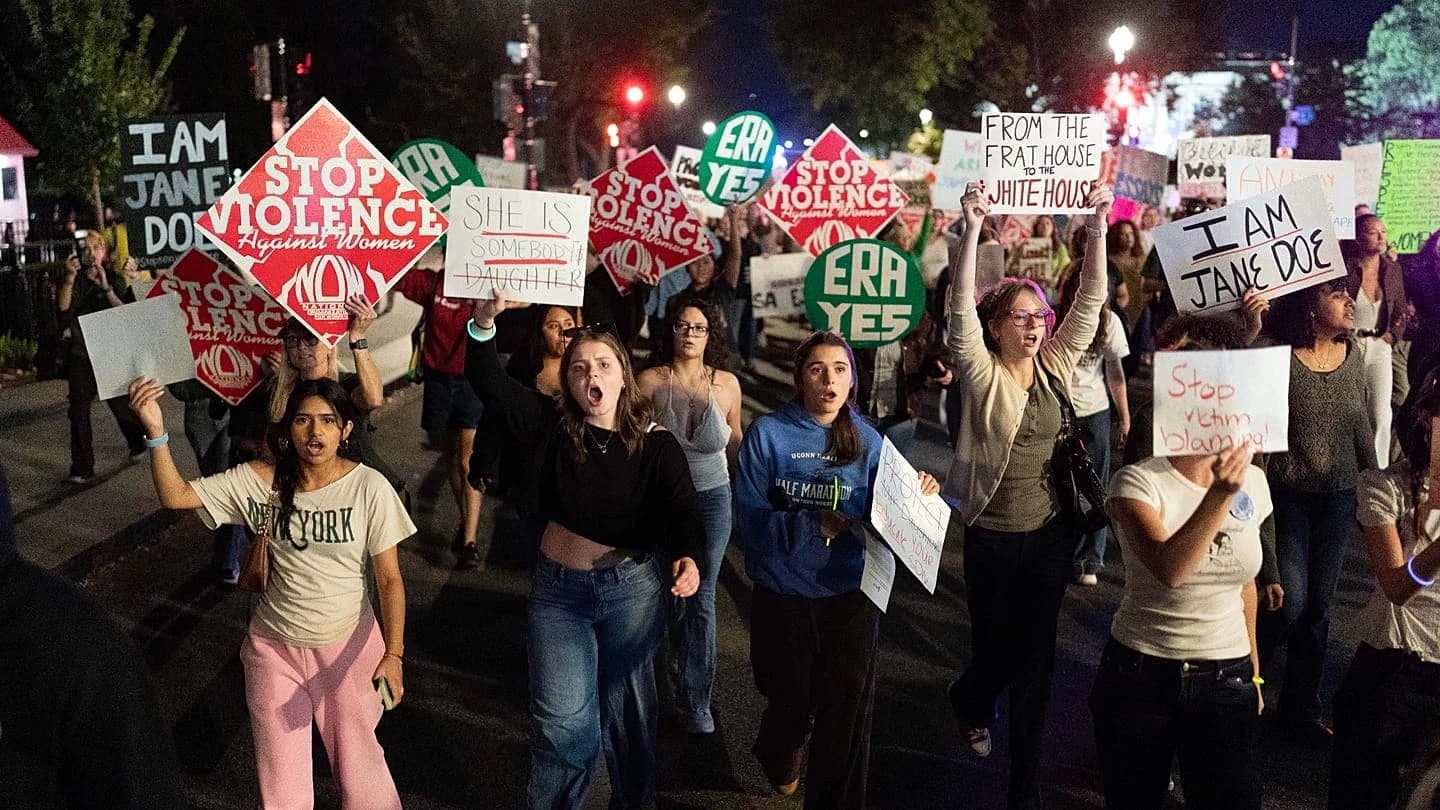
Protests in support of Jane Doe took place across the United States; Cornell's administration was accused of failing to adequately punish the men involved. According to the Russian-language version of Euronews, after the university's internal investigation, only two of the seven accused students were expelled, while the others received lighter disciplinary sanctions — they were required to complete educational courses on sexualized violence and write essays.
Additional measures
The university appointed former U.S. Deputy Attorney General Sally Yates to conduct a 'comprehensive independent investigation' of the university's response to the rape allegations. However, Kotlikoff said on Tuesday that 'it is clear: we cannot wait for the results of this review to take action.' Among other measures are the appointment of a dedicated case coordinator to support people reporting incidents of sexual harassment, as well as engaging the New York State Police so that its investigators can look into future allegations of sexual violence on campus. 'It is clear that women on our campus are still wondering whether their safety is assured. We must respond to this situation by acknowledging our shortcomings and taking constructive action,' Kotlikoff said.