The key facts
- Northern Africa improved resilience by 5 points, Southern by 4, Eastern and Central-Western by 3
- The survey covered more than 143,000 people in 140 countries and territories in 2025
- Of the ~220 million adults who received no disaster warnings, 77% owned a mobile phone
Fastest Growth in Resilience Is in Africa
Africa has shown the world's fastest rates of growth in disaster resilience, according to the results of the fourth wave of the World Risk Poll, conducted by Gallup on behalf of Lloyd's Register Foundation. The 2025 survey covered more than 143,000 people in 140 countries and territories. Since 2023, Northern Africa has improved its resilience score by 5 points, Southern Africa by 4, and Eastern and Central-Western Africa by 3 points each. The authors emphasize: this does not mean that Africa has become the most resilient continent — it refers only to the fastest improvements over the period studied.
What Lies Behind the Progress
The growth in the indicators was driven by expanded internet access, better household preparedness, and improved financial resilience. The researchers highlighted Algeria, Nigeria, Kenya, Egypt, and Uganda as countries that contributed to regional improvements, although the factors of progress differed. The resilience index is measured on a scale from 0 to 100 and covers four areas: individual resilience, household preparedness, community support, and overall societal conditions.
Millions Receive No Warnings
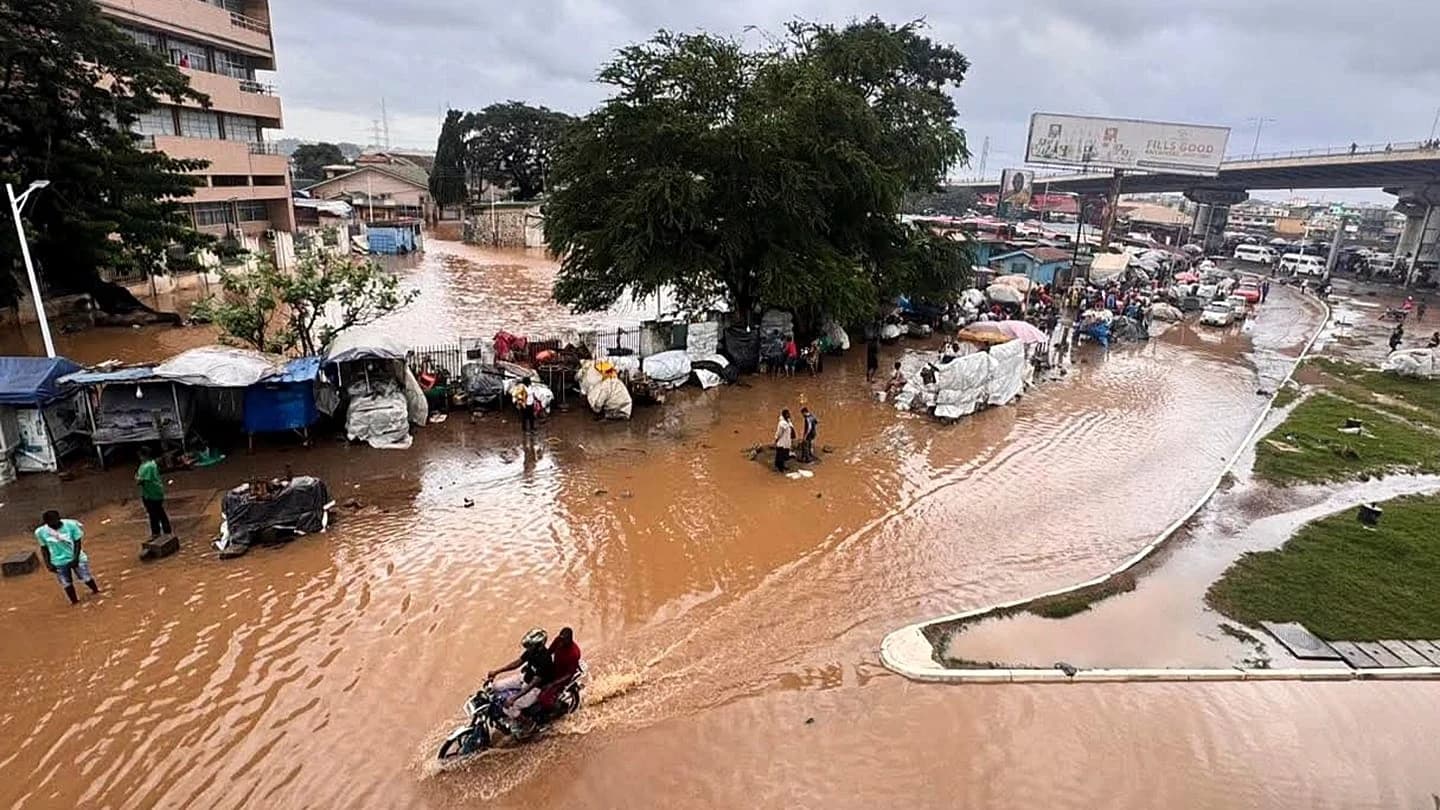
The study revealed serious inequalities in access to vital information. In Central and West Africa, only 47% of adults affected by disasters reported having received a warning. Worldwide, people in low-income countries were almost twice as likely to experience disasters over the past five years as those in wealthy countries: about a third of adults in poor countries versus 16% in rich ones. At the same time, 64% of those affected in low-income countries received warnings, compared with 84% in high-income countries. Even having received a warning, less than half of those alerted in low- and lower-middle-income countries managed to act — versus 71% in wealthy countries. Nancy Hey, Director of Evidence at Lloyd's Register Foundation, noted: “A warning is only worth as much as what people can do with it.”
Mobile Technology as an Opportunity
According to the study, over the past five years disasters affected about 1.1 billion adults worldwide, but almost 220 million of them received no warning at all. Of those not alerted, 77% — more than 170 million people — owned a mobile phone, which researchers see as an opportunity to improve early warning systems. The likelihood of action increased with the number of warning channels: 37% of those who received a warning through one channel acted, 51% through two, and 64% through three (SMS, television, social media). The International Federation of Red Cross and Red Crescent Societies provides an example of local preparedness: in Malawi, volunteers mobilized communities to clear storm drains ahead of heavy rains in January. Karolina Kastirin, the current global head of disaster risk reduction, emphasized that warnings work when people have trust, knowledge, time, and resources to protect themselves and their loved ones.
A Problem for Wealthy Countries Too
The study calls into question the assumption that national wealth automatically makes people more resilient. Societal resilience, including trust in national institutions, rose worldwide from 63 points in 2021 to a record 66 in 2025, but individual resilience fell from 46 to 42 — the lowest level ever recorded. Lloyd's Register Foundation calls on governments and emergency management authorities to expand the reach of alerts and invest in household preparedness. Andrew Tapper, head of the Early Warnings Services Section at the World Meteorological Organization, noted: “An early warning system is useless if it does not give people the ability to act.”