The key facts
- Duane Davis sentenced to life in prison for the 1996 murder of Tupac Shakur
- Parole will be possible no earlier than in 40 years
- Davis was found guilty in late August 2026
A Verdict 30 Years Later
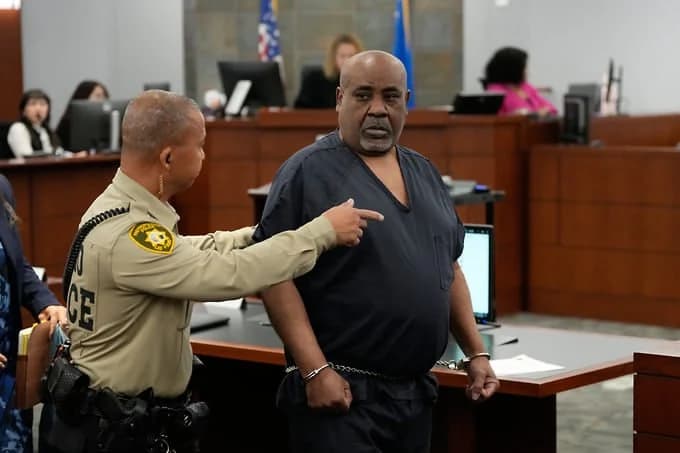
A Las Vegas court has sentenced 63-year-old Duane Davis, known in criminal circles under the nickname 'Keffe D', to life imprisonment in the case of the murder of rapper Tupac Shakur in 1996. In late August, the court found him guilty. According to the verdict, Davis will not be able to request parole for 40 years.
The Judge's Words
Judge Carli Kearney, delivering the verdict, addressed the defendant: 'For three years in a row I have heard from you different versions of the same phrase: "Yes, I was involved in this. But now I am a different person. I have left the past behind. I left Compton. Now I am a grandfather."' She added: 'You had no right to take away someone's family, deprive them of their life and their entire future, and then simply walk away as if nothing had happened.'
Circumstances of the Murder
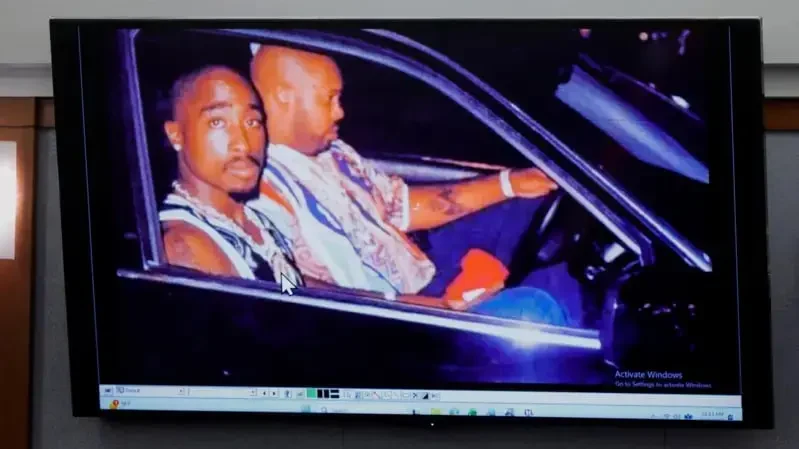
Tupac Shakur was one of the most famous rappers of the 1990s. He was attacked on September 7, 1996, when he was 25 years old: he was riding with music magnate Marion 'Suge' Knight in his car to a nightclub when shots were fired from a passing Cadillac. On September 13, the rapper died in the hospital; 'Suge' survived.
A Long Investigation
The murder remained for many years one of the most high-profile unsolved cases in the United States. Law enforcement initially believed it was the result of a criminal conflict between rival gangs, but for decades there was not enough evidence to charge anyone.
Davis's Role
Duane Davis was the former head of the southern branch of the Crips gang in Compton (a suburb of Los Angeles) — the South Side Compton Crips. 'Suge' Knight, who produced Tupac, was affiliated with the rival Mob Piru Bloods gang. Davis was the uncle of Orlando Anderson, who was questioned in the murder case back in 1996: police suspected him because, a few hours before the attack, he and Tupac had a conflict at one of the clubs, and the rapper's bodyguard beat him. No official charges were brought against Anderson; in 1998 he was killed in a shootout.