The key facts
- Felipe VI and Letizia visited Ceuta and Melilla on 13–14 October 2026 — the first royal visit since November 2007.
- The visit follows the July crisis: according to Spain's Interior Ministry, on 30–31 July more than 70,000 people entered Ceuta from Morocco.
- Felipe VI called Ceuta and Melilla an 'integral part' of Spain, stressing the need for 'good-neighbourly relations' with Morocco.
First royal visit in 19 years
King Felipe VI of Spain and Queen Letizia arrived in Ceuta on 13 October 2026, beginning a two-day trip that will continue in Melilla on 14 October. This is the first official visit by the monarchs to both cities: the previous visit was made by Juan Carlos I and Queen Sofia in November 2007, after an 80-year hiatus. Notably, Felipe VI's visit fell in the same month as his great-grandfather Alfonso XIII's trip to Ceuta in October 1927.
Programme of the visit
In Ceuta, the president of the autonomous city, Juan Jesús Vivas, presented the royal couple with the keys to the city — the same gesture was extended to Juan Carlos I and Sofia in 2007. The monarchs then visited the Vicente Aleixandre school and the Sidi Embarek Muslim cemetery, where a religious ceremony was held in memory of those who died attempting to swim across the border — dozens of them are buried there, as Morocco refused to accept the bodies. Unlike in 2007, the royal couple spent the night in Ceuta. On 14 October in Melilla, a visit to the Assembly Palace, a visit to the Pintor Eduardo Morillas school and a meeting with civil society representatives are planned. The programme in both cities is mirrored to give them equal weight, although Melilla experienced nothing comparable to the migrant influx in Ceuta.
Warm welcome from residents
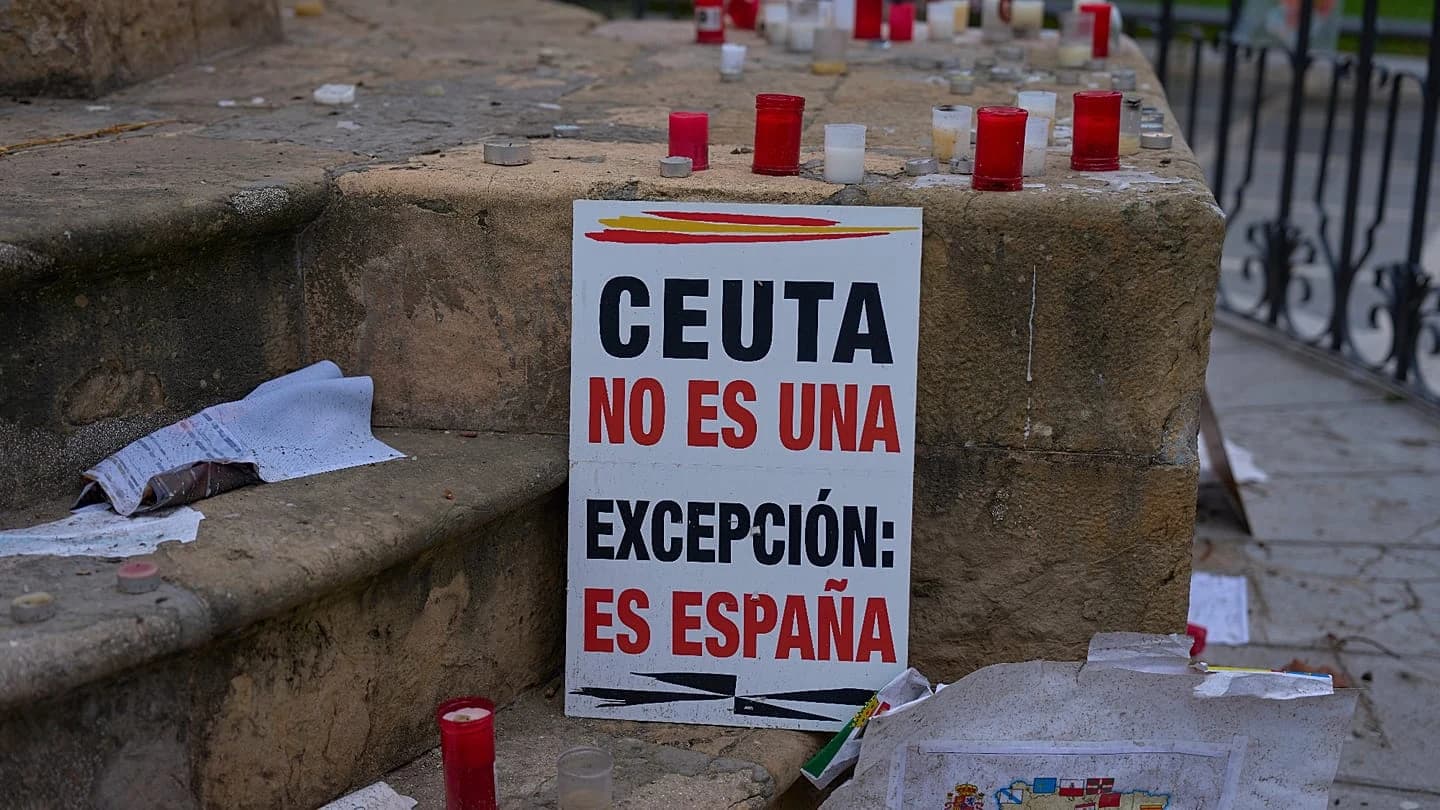
Thousands of Ceuta residents lined the streets with Spanish flags and placards reading 'Welcome home, Your Majesties'. The King and Queen greeted people on the way to the city hall and then appeared on the balcony of the Assembly Palace on Plaza de África together with the city's president. For many residents, the mass turnout became a public affirmation of Ceuta's Spanish identity.
Migration crisis as the backdrop
The visit takes place after the July crisis: according to Spain's Interior Ministry, on 30 and 31 July more than 70,000 people crossed the border from Morocco into Ceuta, a city with a population of just over 80,000. Pedro Sánchez, who was in the city on 31 July, called it an assault on Spain's territorial integrity. The Prime Minister is not accompanying the monarchs on the trip; according to Moncloa, he usually does not take part in the King's official trips. He will likely be replaced by the Minister of Territorial Policy, Ángel Víctor Torres, who is responsible for unified command in the crisis situation. According to Torres, 11,026 people have returned to Morocco since August: 10,513 voluntarily and 513 deported. On 29 September, at a gala dinner in honour of the state visit of Emmanuel Macron, the King called the situation in Ceuta 'unacceptable' and called on European countries for greater solidarity.
The King's statement and Morocco's reaction
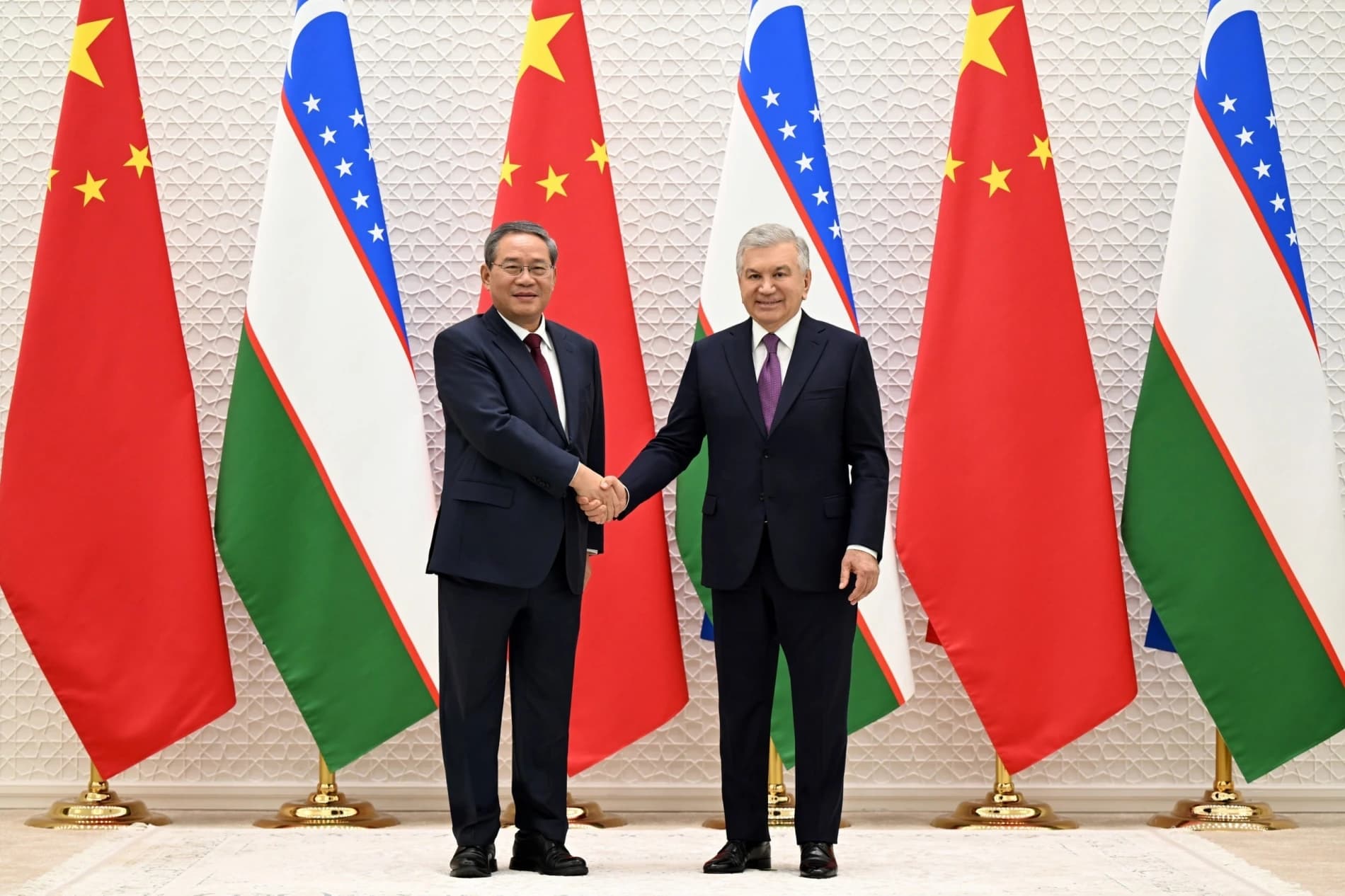
During the visit, Felipe VI, who rarely makes political statements, called Ceuta and Melilla an 'integral part' of Spain, but at the same time stressed the need to 'maintain good-neighbourly relations' with Rabat. Morocco has claimed sovereignty over both cities, which have belonged to Spain since the 15th and 17th centuries, for decades. Rabat has not yet responded to requests about the trip. On the eve of the visit, Morocco recalled its ambassador in Madrid for consultations, and King Mohammed VI, according to media reports, condemned the political 'instrumentalisation' of the crisis. On 14 October, a demonstration against the presence of the royal couple is planned in Castillejos (Fnidek). On Saturday, in a throne speech before parliament, Mohammed VI stated that Morocco's sovereignty 'does not tolerate pressure, threats or blackmail', called relations with Spain a 'sovereign choice', but never mentioned Ceuta.
Historical context
Alfonso XIII arrived in Ceuta on the morning of 5 October 1927 aboard the battleship Jaime I, accompanied by Queen Victoria Eugenie and head of government Primo de Rivera. He inspected troops, visited Legion barracks in Dar Rifien, where the Queen presented a standard to the Tercio regiment, and the next day travelled to Tetuán, leaving 1,000 pesetas (about 6 euros then, roughly 2,000 euros in today's money) for the poor of Ceuta. The trip took place six years after the disaster at Annual, which dealt a blow to the monarchy. According to Paramount newsreel footage held by the Ministry of Culture, Spanish and Riffian troops — recent adversaries — marched before the King. Four years later, on 14 April 1931, the reign of Alfonso XIII came to an end. In 2007, Juan Carlos I's visit also provoked a sharp reaction from Rabat: the ambassador was recalled, and protests took place in Tetuán and at the border, while in Ceuta thousands of residents welcomed the King.