The key facts
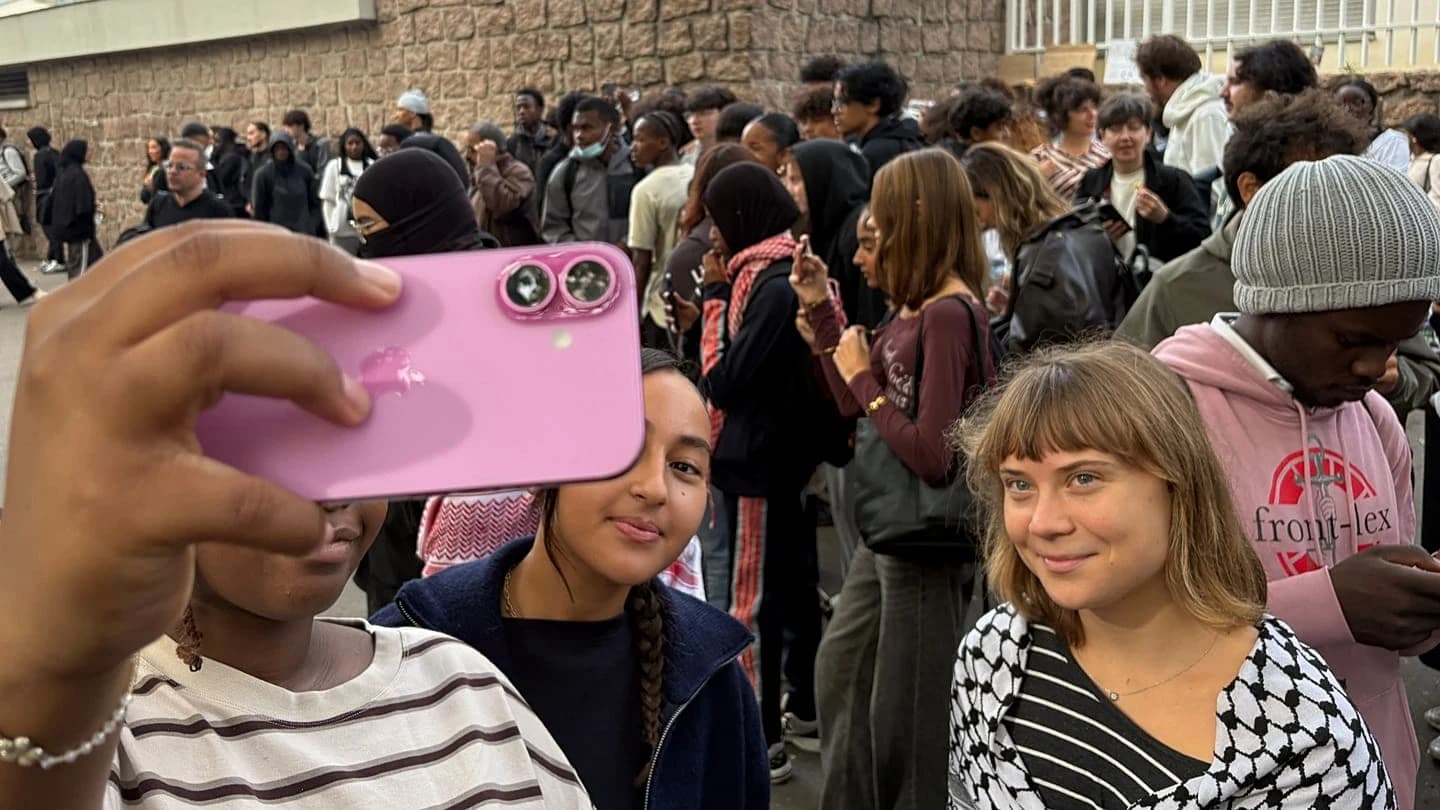
- Greta Thunberg came to the Paul Éluard high school in Saint-Denis, telling AFP: 'Our future is being stolen from us'
- Around 200 high schools are closed; of the 3,000 promised substitute teachers, only 35% have been appointed
- Since the start of the movement, 6,877 people have been detained, mostly minors; police are investigating 24 complaints about the use of force
Fifth wave of protests and Thunberg's visit
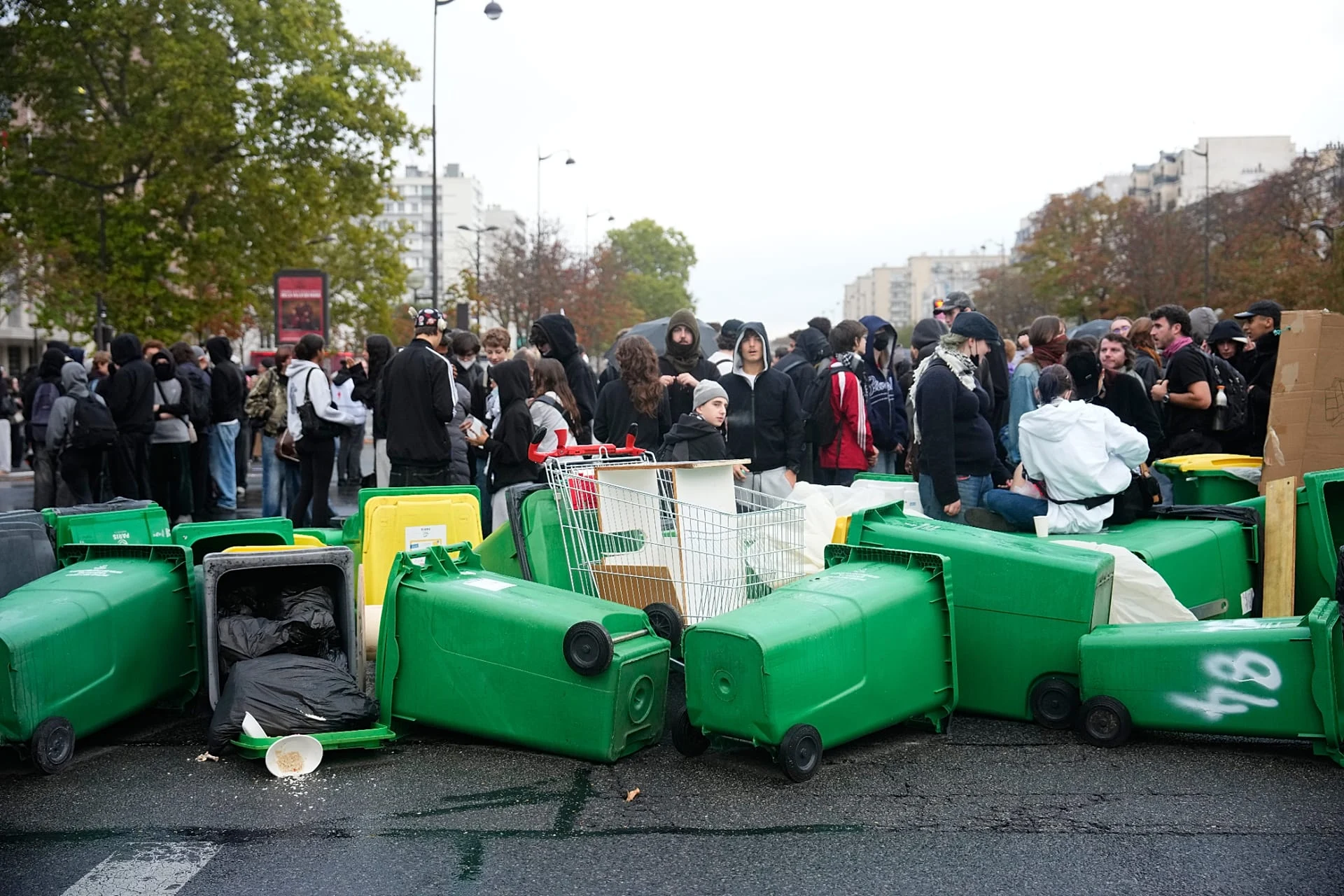
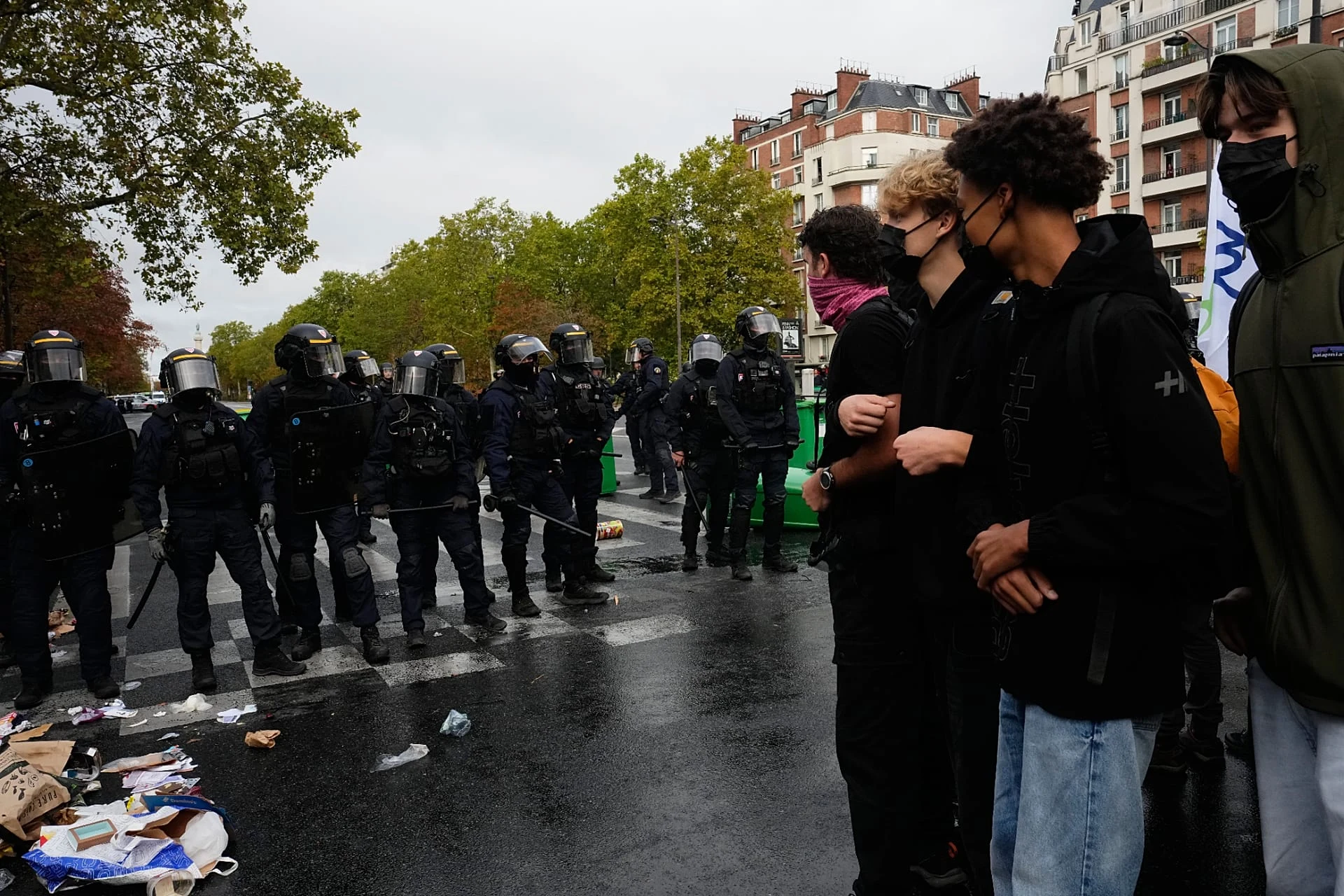
On Tuesday, October 13, 2026, France saw the fifth wave of mobilization by high school students protesting against learning conditions. In Paris, several high schools and universities were blockaded before dawn; the demonstration in the capital was scheduled for 2:00 p.m., with the column gathering at Place d'Italie, and the march was to pass near the Hôtel Matignon and the Ministry of National Education. Social media also spread a call, not declared to the prefecture, for a march from Paris City Hall to the Prime Minister's residence. According to the prefecture of the Rhône department, classes were disrupted in at least seven schools, as well as in a number of universities. In Rennes, students gathered outside the Jean Macé high school; in Marseille, the Saint-Charles high school remained blockaded from 6:45; in Bayonne, outside the Louis-de-Fois high school, about ten CRS vans were deployed by 8:00 — students interviewed by AFP described the presence of security forces as intimidating.
Thunberg in Saint-Denis
Swedish eco-activist Greta Thunberg came to the Paul Éluard high school in Saint-Denis, where robed lawyers formed a human chain to protect schoolchildren amid numerous reports of police violence. 'Young people are not allowed into the discussion. Our future is being stolen from us,' she told AFP. According to her, insufficient funding for high schools signals to young people that they are 'not a priority for society,' and she called the police actions 'extremely brutal.' The leader of La France Insoumise, Jean-Luc Mélenchon, also took part in the actions; on October 8 he stated on X that the Bastille had been 'taken' again after a mass protest on the square of the same name.
Demands and the government's response
Students complain about teacher shortages, a long school day, overcrowded classrooms and dilapidated buildings; some demand the abolition of the Parcoursup admissions platform and increased funding for public education. Demonstrators are demanding an emergency plan of €10 billion for high schools; the trade union federation of high school students called the government's measures 'miserable crumbs.' Education Minister Édouard Geffray previously announced the assignment of 3,000 substitute teachers to the hardest-hit schools (according to one version, to 114 high schools; according to another, to more than 500 priority schools) and an increase in the ministry's budget by €1 billion. On Tuesday he told radio France Inter that around 200 high schools were closed — fewer than last week — and that only 35% of substitute teachers had been appointed. According to him, the movement is 'dying down.'
Budget debates in the National Assembly
On Tuesday, the National Assembly began discussing the government's draft budget for 2027, which provides for an increase in allocations to the Ministry of Education of €1.2 billion — a rise of 1.6%, which, in critics' view, lags behind the projected inflation of 1.8%. Press secretary of the student union l'Union Etudiante Sabrina Harbach told Euronews that the authorities underestimate young people's ability to understand budget matters, pointing to military spending: 'We must ask ourselves whether they want to invest in death or in the future.' General secretary of the SE UNSA union Élisabeth Allain-Moreno called the proposed measures insufficient, while head of UNSA Education Morgane Vervier noted that the generation is raising demands that the unions have been voicing for years and have not been heard.
Scale of the movement and violence
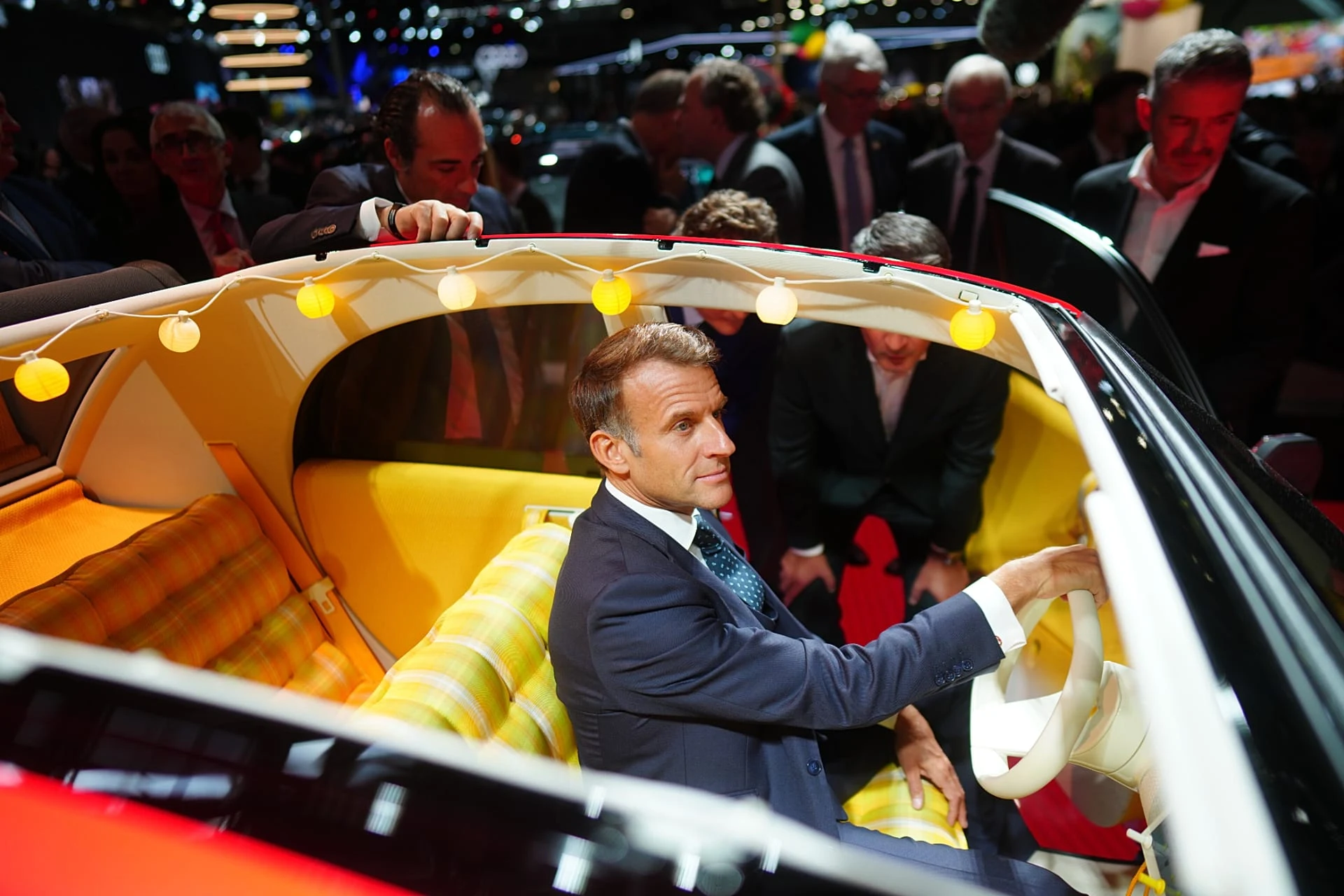
The movement began in the Paris suburbs in mid-September and quickly spread across the country; last Thursday more than 70,000 people took to the streets. Most of the actions were peaceful, but there were clashes with police. According to figures published by the Ministry of Justice on Friday, 6,877 people have been detained since the start of the movement, mostly minors; more than 215 students and nearly 800 police officers were injured. Police have opened internal investigations into 24 complaints of brutality; human rights organizations accuse the security forces of excessive use of force. On Monday, according to the Ministry of Education, eight school staff members were injured, mainly in the Paris region, Bordeaux and Lyon. Authorities reported injuries from fireworks in Reims, a Paris suburb and Marseille. President Emmanuel Macron called for restraint: 'These are questions that deserve time, consultation, discussion and respect.' The government hopes the movement will weaken during the holidays beginning at the end of the week, but students in Rennes hope that the nationwide mobilization against the rising cost of living scheduled for October 17 will allow the movement to restart. The protests have also resonated among young people in Belgium and Italy.