The key facts
- Zamon.uz describes the "O‘Z" philosophy: Uzbekistan, change, identity, responsibility
- The outlet: modernization is not copying foreign templates; the country must change while remaining Uzbekistan
- Mirziyoyev's 2017 quote: "If we ourselves, with our own minds and our own labor, do not change the situation, no one from outside will come and do this work for us"
Zamon.uz's piece on the "O‘Z" philosophy
On October 13, 2026, the outlet Zamon.uz published a piece (in Uzbek, Russian and English) devoted to the "O‘Z" philosophy, which, according to the outlet, was put forward by President Shavkat Mirziyoyev. The formula combines four concepts: Uzbekistan, change, identity, responsibility. In the authors' view, in a period of rapid changes in technology, the economy and lifestyles, every state faces two tasks: not to fall behind the times and not to lose its identity.
Relying on roots while being open to the world
Zamon.uz emphasizes that "O‘Z" is not a return to the past, but the idea of moving into the future while relying on one's own roots. The outlet notes that studying global experience, attracting modern technologies and integrating into the global economy are a necessity, yet modernization does not mean copying ready-made templates of other countries. The key thesis of the piece: "Uzbekistan must change. But while remaining Uzbekistan." In the outlet's view, development that loses its identity turns into imitation, while living only in the past and fearing renewal lead to stagnation.
The 2017 quote and the idea of engagement
Zamon.uz recalls that, according to the outlet, back in 2017 Shavkat Mirziyoyev said: "If we ourselves, with our own minds and our own labor, do not change the situation, no one from outside will come and do this work for us." The authors develop the idea that development cannot be brought in from outside in ready-made form — it is born within society out of knowledge, labor, initiative and people's faith in their own strength. Another meaning of "O‘Z," according to the outlet, is engagement: where there is a sense of "this is mine," there is no room for indifference. The philosophy is described as a transition from being an onlooker to being engaged, from waiting to acting, from dependency to responsibility.
The context of change and conclusions
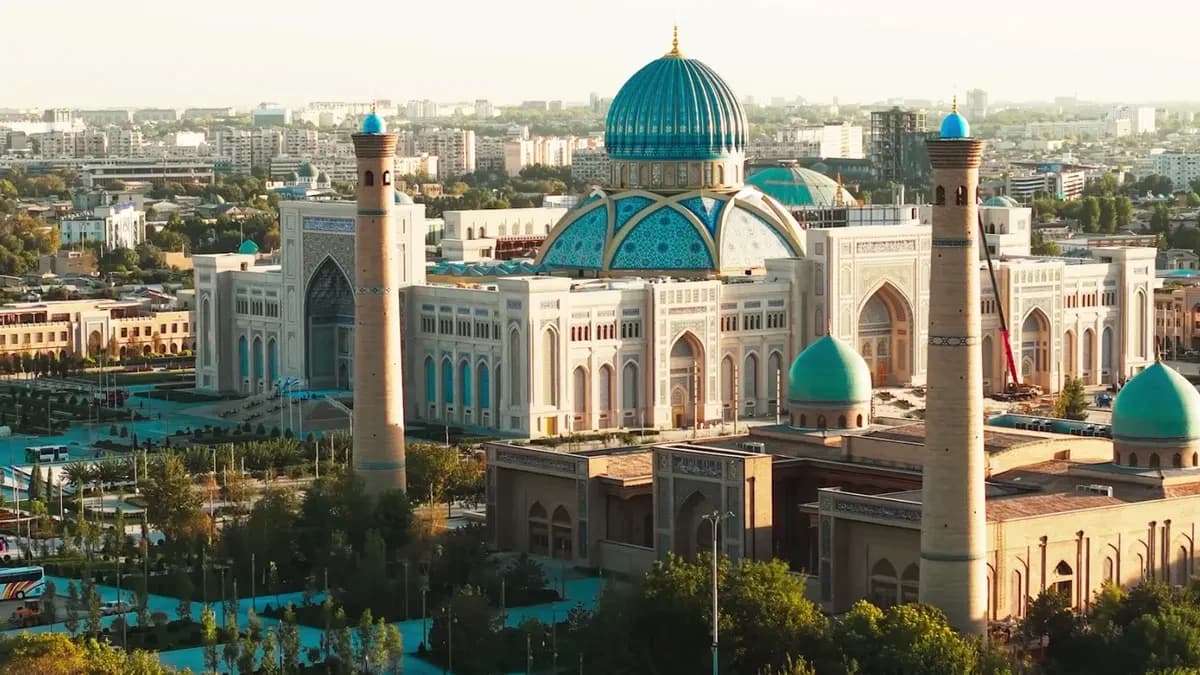
The piece notes that today new cities are being built in Uzbekistan, the economy is being renewed, modern technologies are being introduced and ties with the world are expanding. According to Zamon.uz, the goal is not to be like others, but to form one's own model of development, drawing on global experience. Renewal, the outlet stresses, does not mean abandoning national identity: only a society that relies on strong roots and its own values is capable, amid global change, of clearly defining its own path. The piece ends with the formula: "Uzbekistan — O‘Z. Our own path. Our own choice. Our own future."


