The key facts
- Zelensky reported strikes on six energy facilities in a single day; Moscow has not confirmed agreement to a truce
- The EU added 1,600 individuals and companies to its sanctions list; Macron and Merz declared their position unchanged
- SACEUR Alexus Grynkewich presented the Theory of Victory defense strategy at the Warsaw conference
A truce learned about from the media
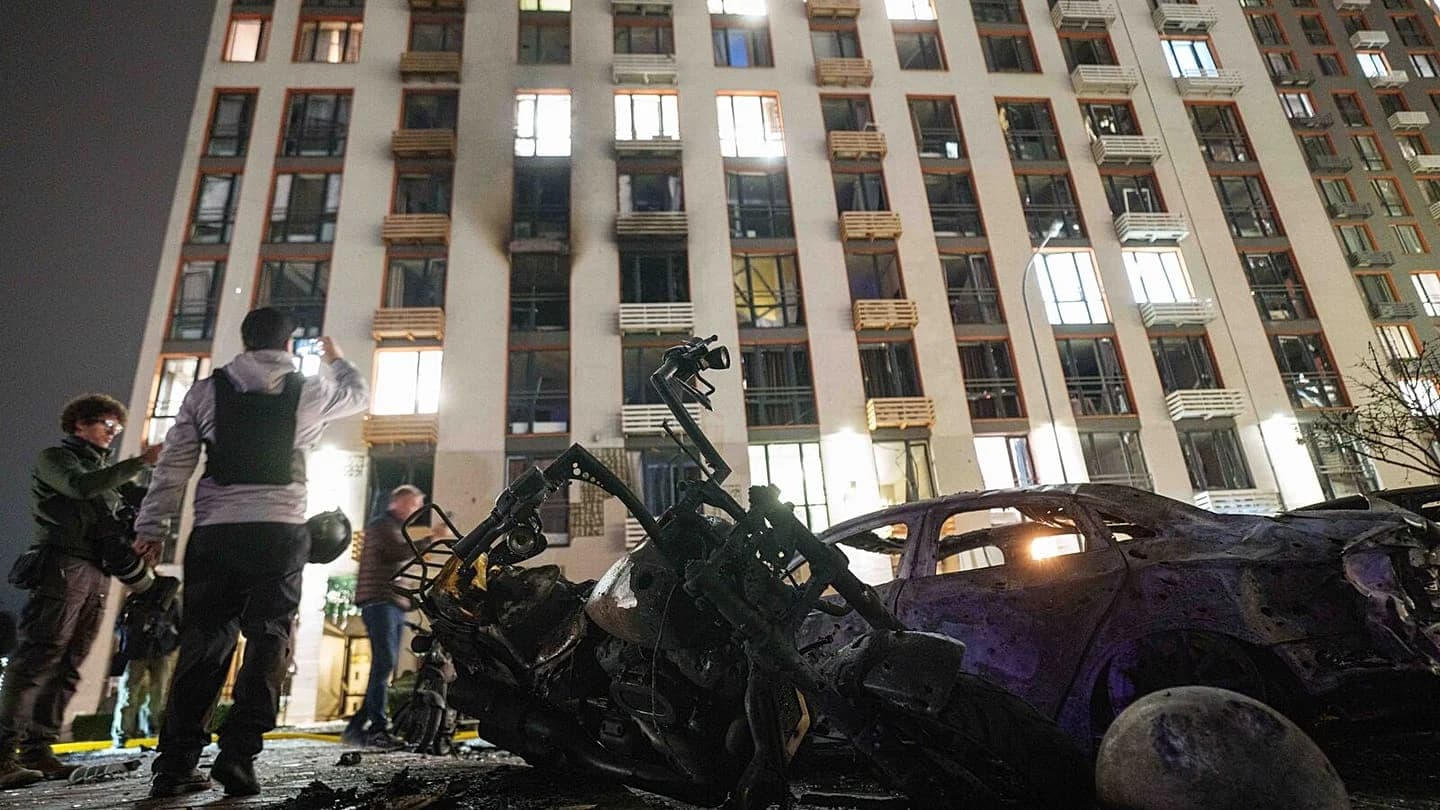
The energy truce announced on Sunday by US President Donald Trump is not yet working: Russia continues striking Ukraine's energy infrastructure and residential buildings, reports Euronews correspondent Sasha Vakulina. Moscow has not confirmed its agreement to stop strikes on energy facilities, while Kyiv says it was not consulted and learned of the arrangement from the media. On Monday, President Volodymyr Zelensky said Russian forces attacked six energy facilities across Ukraine in that day alone. He again stressed Ukraine's readiness to halt strikes on the energy sector, but said Russia must take steps toward 'pacification': 'America certainly has the power and capability to ensure
Threats to intelligence and weapons supplies
According to US media, at weekend talks in Miami, US representatives floated the possibility of cutting off Kyiv's access to American intelligence — critically important for detecting Russian missile launchers — as well as suspending weapons deliveries under NATO's PURL procurement scheme.
Europe keeps its course of pressure
Amid mounting pressure on Zelensky, Europe is rallying around Ukraine, weighing the consequences of the Trump-Putin energy deal, writes correspondent Jorge Liboreiro. French President Emmanuel Macron stated: 'I think we need to show collective seriousness. Today, as I see it, we have no factual grounds to change our position.' German Chancellor Friedrich Merz called concluding a similar energy deal for Europe 'unacceptable' despite rising prices: 'Russia will only engage in serious negotiations under pressure, which is exactly why we maintain sanctions against Russia.' EU foreign ministers in Luxembourg confirmed the continuation of the pressure campaign and added another 1,600 individuals and legal entities to the sanctions list, only underscoring the contrast between the EU and US lines. Asked about a 'red line' regarding Trump's unilateral decisions, the European Commission's chief spokesperson replied: 'We will continue to engage with our partners, including the US, to bring about the end of this war.' According to Euronews analysis, European leaders believe a break with Trump would bring more losses than gains: the ability to remain at the table where Ukraine's future and Europe's security architecture are being decided matters more than diplomatic slights.
Attacks on ships in the Black Sea
Bulgarian Prime Minister Rumen Radev said two more ships were hit by drones in the Black Sea, one of which sank. Ukraine blames such attacks on Russia, accusing Moscow of attempting to close the maritime export corridor vital to Kyiv.
NATO presents the Theory of Victory strategy
At the Warsaw Security Conference, NATO's Supreme Allied Commander Europe (SACEUR) Alexus Grynkewich presented a new defense strategy, Theory of Victory, designed to 'stop, degrade and destroy' any attempt to attack the alliance. 'If we are attacked, we are ready to fight tonight,' Grynkewich said, adding that the alliance will prepare and train every day. According to NATO officials, the plan envisions using the capabilities of the entire alliance, including ground forces and combat aircraft. A key element is cost-effective ways of responding to modern methods of warfare, in particular drones used as part of Russia's hybrid and 'shadow' war in the Baltic states and beyond. 'Given the volatile and complex global security environment, we need to create the conditions now to deter aggression and, if attacked, to win,' said SACEUR representative Colonel Martin O'Donnell.
Other news: protests in France, EU-UK summit, 'shadow fleet' tanker
France is preparing for another day of protests organized by students and trade unions, after clashes with police last week. The education ministry said the number of closed schools is declining, but 'violence is intensifying.' Macron called for 'restraint.' A protest against the rising cost of living is scheduled for Saturday. The EU-UK summit will take place in Brussels on 20 November, four months after it was postponed amid a political crisis in London. Prime Minister Andy Burnham again criticized the EU's 'Made in Europe' industrial policy and said he wants to 'launch a serious dialogue' on long-term relations to end 'a decade of drift and division.' The French President said the navy intercepted and inspected off the coast of Réunion a tanker suspected of illegal fuel trading; according to Ukraine's Main Intelligence Directorate, the ship was carrying Russian oil and is linked to Sovcomflot. In addition, the EU and Italy are calling for scaling up the Aspides mission in the Red Sea, but so far only two additional ships have been promised; a new EU-China trade deal, per Euronews analysis, could weaken political support for Brussels' plans to toughen its approach to Beijing.


