The key facts
- On October 7, on the 20th anniversary of Politkovskaya's murder, BBC published her 2006 interview; the Russian-language original was released recently
- Politkovskaya stated that Putin was 'killing' the nascent democracy, and in her view the 2004 elections were falsified
- She linked the 'Nord-Ost' and Beslan terrorist attacks to the authorities' policies and argued that stability rested on high oil prices
Publication for the 20th anniversary of her death
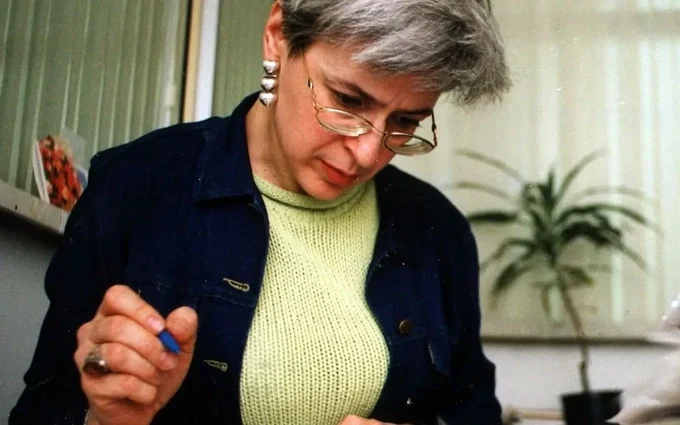
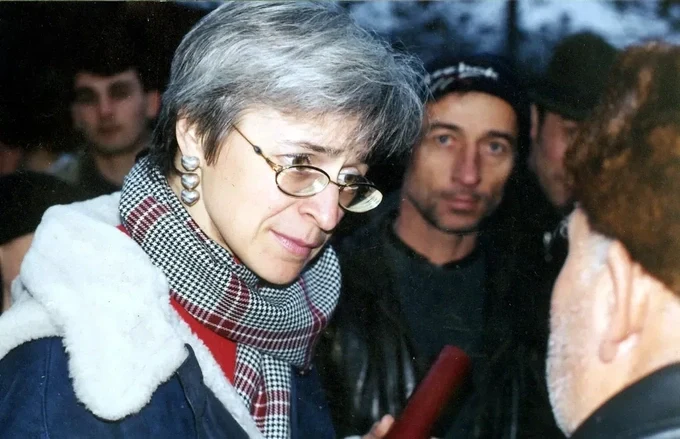
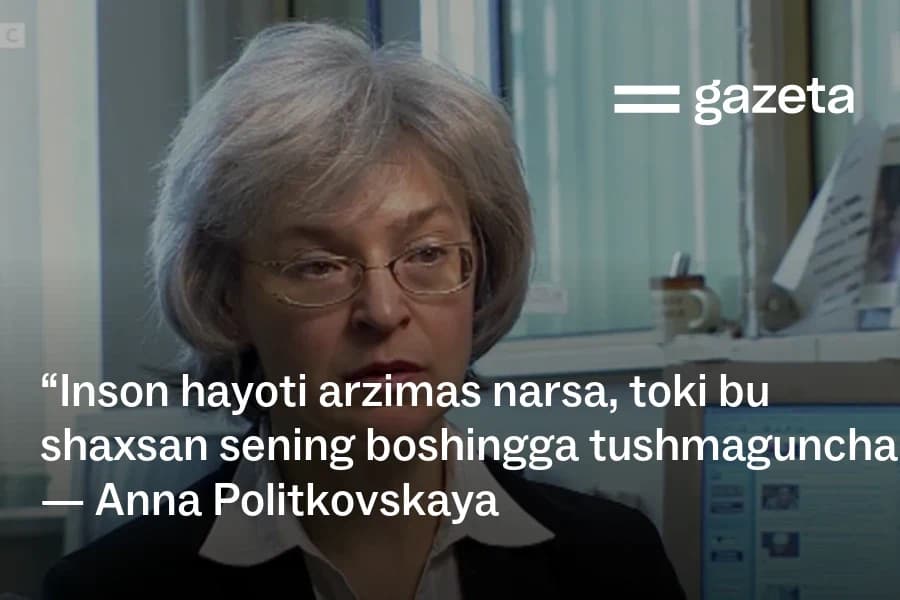
On October 7, BBC released one of the last interviews of the renowned Russian journalist and human rights activist Anna Politkovskaya, known for her investigations of human rights violations in Chechnya and open criticism of the Russian authorities. She was killed on this day 20 years ago. The interview was recorded in 2006, shortly before her death, and aired on BBC in November 2006 in English; the Russian-language original was published recently. The outlet Gazeta.uz reproduced the text of the interview.
The journalist and her fate
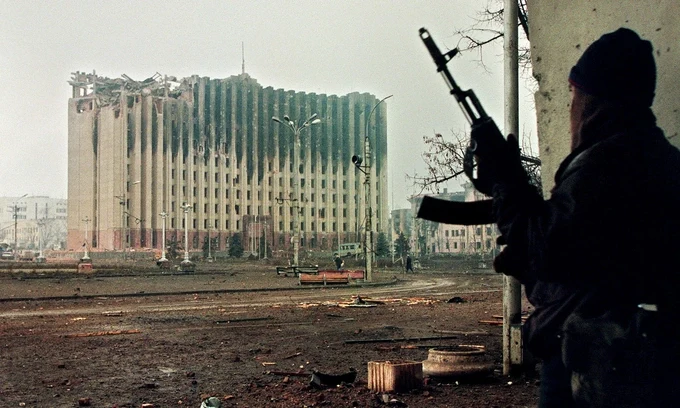
Politkovskaya worked at Izvestia and Obshchaya Gazeta, and from 1999 until the end of her life she was a special correspondent and columnist for Novaya Gazeta. The main subject of her investigations was the second Chechen war: she repeatedly traveled to the conflict zone and wrote about violence against civilians, torture, filtration camps, and the missing. For her work she was subjected to arrests, death threats, and poisoning. On October 7, 2006, she was shot dead in the elevator of her apartment building in Moscow. The perpetrators of the murder were convicted, but the mastermind has still not been officially identified.
Assessment of Putin's policies
At the time the interview was recorded, Vladimir Putin had been in power for six years. The second Chechen war was ongoing, and Russia was shaken by terrorist attacks following the 1999 apartment building bombings, the hostage takings in 'Nord-Ost' and Beslan, airplane bombings, and attacks in the metro. Politkovskaya argued that Putin's policies were 'killing' the nascent democracy, and that fixing the problems he created would require great effort from future generations. She also expressed doubt that the 2004 elections were not falsified, despite the many supporters Putin had among the population. In her view, the president was elected not by the people but by officials whom he 'feeds' and under whom corruption flourishes.
Chechnya and terrorist attacks
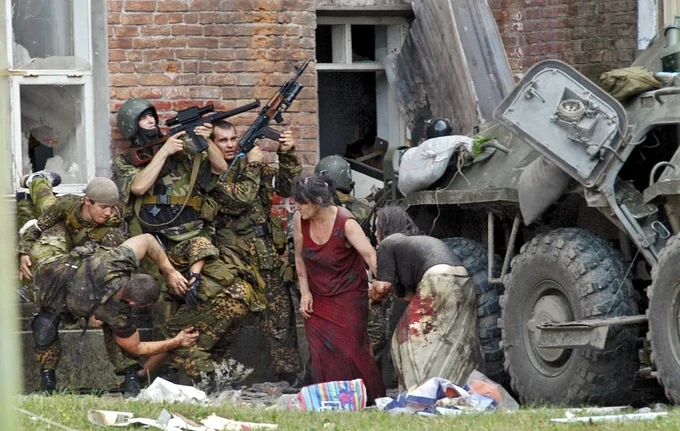
Politkovskaya stated that, unlike Yeltsin, who, in her words, at some point listened to the press and ended the first war with a peace treaty, Putin started the second Chechen war and from the very beginning declared that there would be no peace, relying solely on force. Civilian casualties, according to her, were not counted. She believed that such policies breed terrorism: families of the abducted and killed had no way to obtain justice, which led to terrorist attacks and suicide bombings. She called the October 2002 hostage taking at the theater on Dubrovka a logical continuation of these events: the terrorists demanded her participation in the negotiations specifically; she brought water to the hostages and conveyed their demands — Putin was supposed to promise to stop the war in Chechnya. She considered the 2004 tragedy in Beslan a direct continuation of 'Nord-Ost,' explaining this by the fact that the top leadership did not try to understand the causes of the terrorist attacks and did not pass laws aimed at eradicating terrorism. 'We do not negotiate with terrorists... let the people die,' she quoted them as saying. 'Putin did not negotiate with anyone, so that no one would understand that he is powerless.'
On the media and Putin's character
According to BBC, one of the striking events of Putin's first years in power was the raid on NTV, which criticized his position on the Chechen war and the sinking of the Kursk submarine. Four days after Putin's first inauguration, the FSB, the prosecutor's office, and tax officials came to the NTV office; despite protests, in 2001 the channel passed to the state-owned Gazprom, and by the end of Putin's first term no major private television channels remained in Russia. Politkovskaya argued that Putin came to power without a political program and destroyed the open and independent press that could have exposed him: 'If there were independent television, it would trample Putin. It is as obvious as day.' She called him 'a true Soviet KGB officer' who, in her words, does not understand the value of human life and individual rights.
Stability and legacy
Politkovskaya linked stability in Russia not to Putin's policies but to high oil prices, and said it frightened her to think about the moment they would fall. According to her, businessmen were moving capital out of the country. She also criticized the president for indifference toward citizens. Asked how Putin would remain in history, she answered that he would leave behind a 'neo-Soviet country' with crushed media, strong fascist sentiments, exported capital, an artificially inflated raw-materials economy, destroyed industry, and people ready to commit terrorist attacks for at least another twenty years. She called the sense of hopelessness the main feeling when thinking about the consequences of his rule: 'A person who has taken so many steps to bring the country to such a state cannot remain in history with a positive result. It is simply impossible.'