The key facts
- Merz: the main threat is Russia's influence on society, not the economy or China
- The Bundeswehr assessed the sabotage threat as 'significant' — the second level of the scale
- Moscow denies involvement in sabotage and hybrid operations
The Chancellor's statement
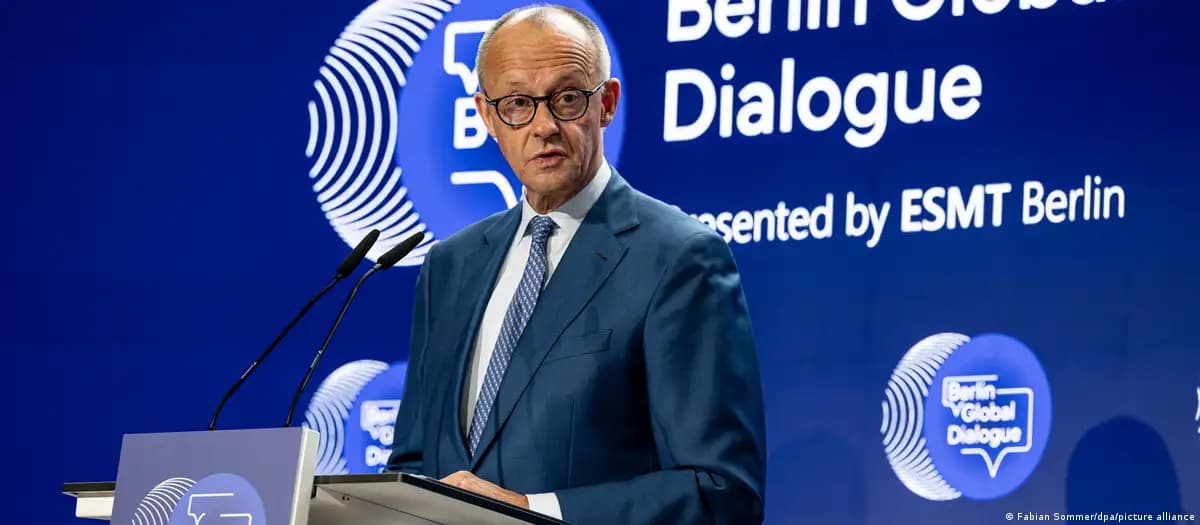
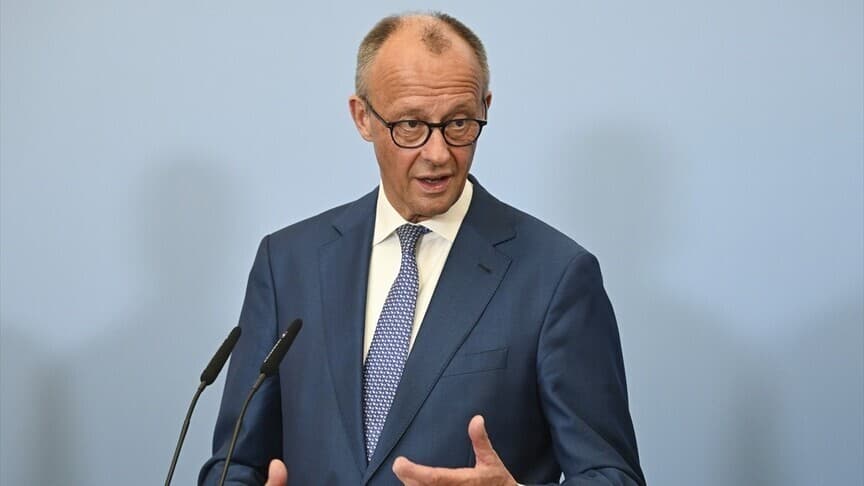
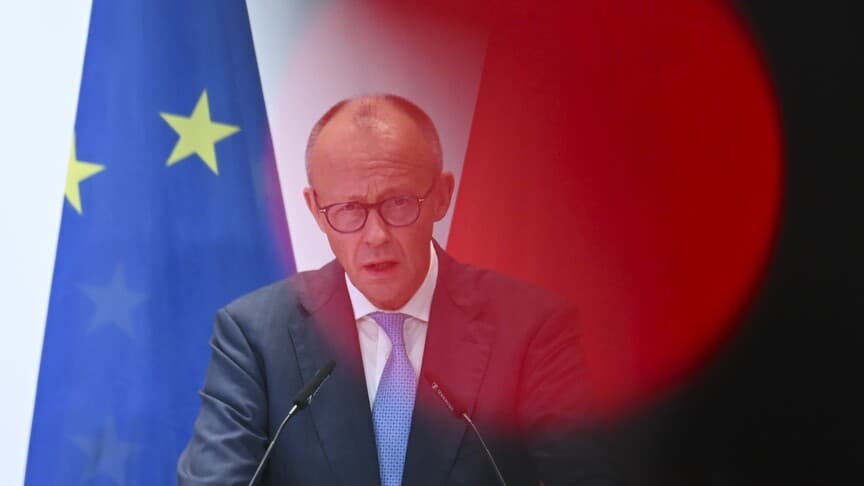
German Chancellor Friedrich Merz, speaking at the Berlin Global Dialogue conference, said that his main concern is not the economy, not the EU, not the US and not China, but Russia's influence on German society. According to him, Moscow is succeeding in destabilizing European countries, and the German public continues to underestimate the scale of the threat.
Not just disinformation
Merz emphasized that the danger is not limited to disinformation campaigns: it involves suspected attacks on infrastructure and interference with the internet and communications systems. 'This happens every day,' he said. The Chancellor viewed these actions as part of a broader attempt to undermine Europe's postwar political order, rather than merely securing territorial gains in Ukraine. In his view, Russia fears democracy, open societies and the success of European integration; he called on Germany and its partners to strengthen resilience to hybrid threats.
Threat level raised in the military
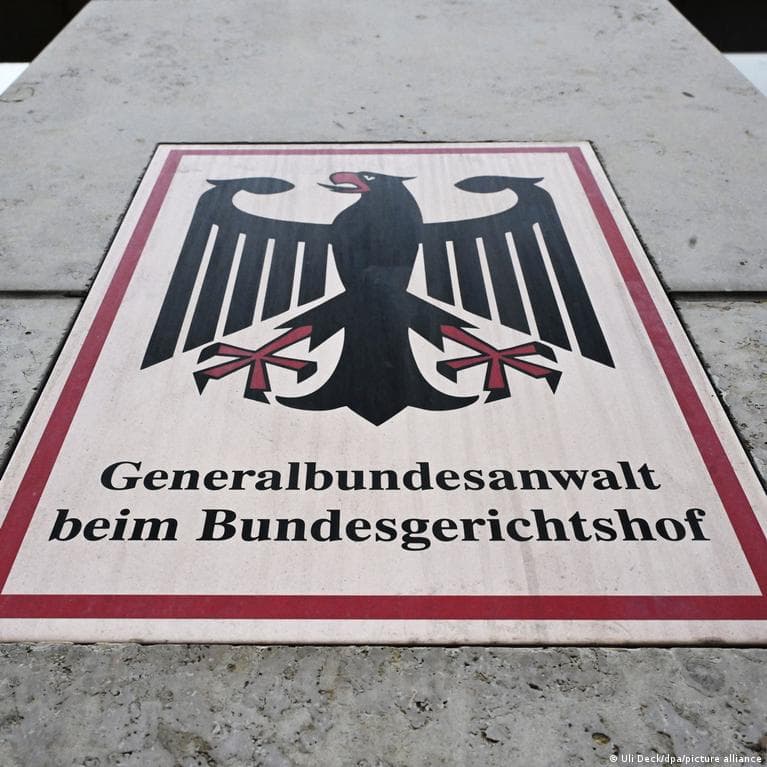
The statement came against the backdrop of the Bundeswehr classifying the threat of Russian sabotage against military and other facilities as 'significant' — the second level of its internal scale. According to reports, the assessment followed the discovery in September of a crashed drone carrying explosives near the Wunstorf airbase in Lower Saxony. German authorities have also been investigating suspicious drone activity near military and critical facilities and covert surveillance of strategically important transport sites. The Defense Ministry said security measures are being adjusted based on the risks to specific facilities, including enhanced patrols and additional technical surveillance.
Context and Moscow's position
German officials have repeatedly accused Russia of a hybrid campaign involving cyberattacks, sabotage, espionage, disinformation and drone operations across Europe. Moscow denies involvement in the sabotage and other hybrid activities attributed to it by Germany and a number of other European governments.
Support for Ukraine
Merz also reaffirmed Berlin's support for Kyiv, saying that Ukraine's capitulation is impossible, as it would also be a defeat for its partners. Germany, he added, will continue to help Ukraine, strengthen its own defense capabilities and prepare for new hybrid attacks.