The key facts
- First confirmed human case of Shamonda virus in history — a patient in Lyon died in early October.
- The patient was severely immunocompromised; infection is presumed to have occurred through a midge bite in eastern France.
- Authorities state there is no risk to the population; WHO and ECDC are conducting the investigation.
First human case
French authorities have confirmed infection with the Shamonda virus in a patient who died in early October in Lyon. According to the French Ministry of Agriculture, this is the first documented and officially confirmed case of the virus detected in a human — until now it was considered non-transmissible to humans. The authorities called the case 'exceptional', emphasizing that the patient was severely immunocompromised and was being treated for a serious illness within the Hospices Civils de Lyon network.
Presumed route of infection and complications
According to the preliminary version of the French authorities, the patient became infected through an insect bite — presumably a midge of the genus Culicoides — in eastern France, where cases in animals were first detected in the spring. According to the ECDC, the specific species of midge involved in the transmission is not yet known. The ministry reported that the brain complications observed in the patient before death were 'with a high degree of probability' related to the infection caused by the Shamonda virus. Clinical, laboratory and epidemiological investigations are continuing jointly with WHO and the ECDC to establish whether the virus caused the death or contributed to it, and how the infection occurred.
Risk assessment
According to the French ministry, 'based on the data available today about the virus, no risk to public health in general has been identified.' The ECDC said it is monitoring the situation and working with French and European partners to assess 'potential public health consequences.' The case has also been reported to the World Health Organization.
About the virus and its spread
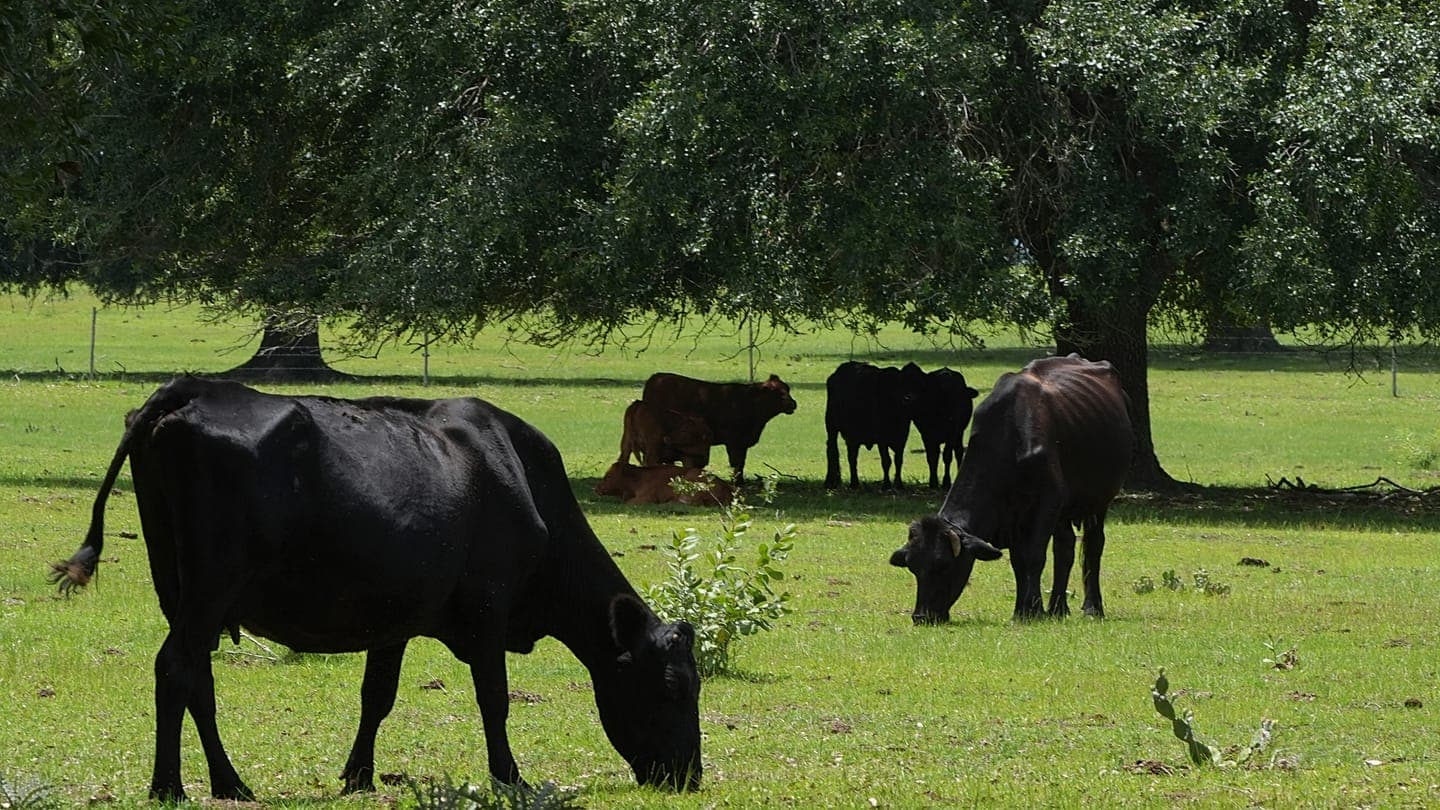
The Shamonda virus belongs to a group of viruses carried by midges and mainly affects cattle, which is considered the primary host; cases have also been recorded in sheep, goats, alpacas and horses. In adult cattle, the main symptoms are fever, lethargy and diarrhea; in dairy cows, a significant drop in milk yields is possible (according to the Belgian institute Sciensano). The virus was first identified in Nigeria in the mid-1960s; since then, it has been sporadically reported in livestock in West, East and southern Africa and in Japan. This summer it was detected for the first time in Western Europe — the ECDC dates the first cases in Europe to late July; animal infections have been recorded in Austria, Belgium, France, Germany, Ireland, Italy, Liechtenstein, Luxembourg, the Netherlands, Portugal, Spain and Switzerland, as well as on the island of Jersey.