The key facts
- The 150,000 sq ft factory near Austin will reach full capacity in 2–3 years
- First commercial station: 300 MW of solar panels and 660 MWh of batteries for 30 MW of continuous power
- Target cost is $100 per MWh, competitive with gas turbines
New factory and production plans
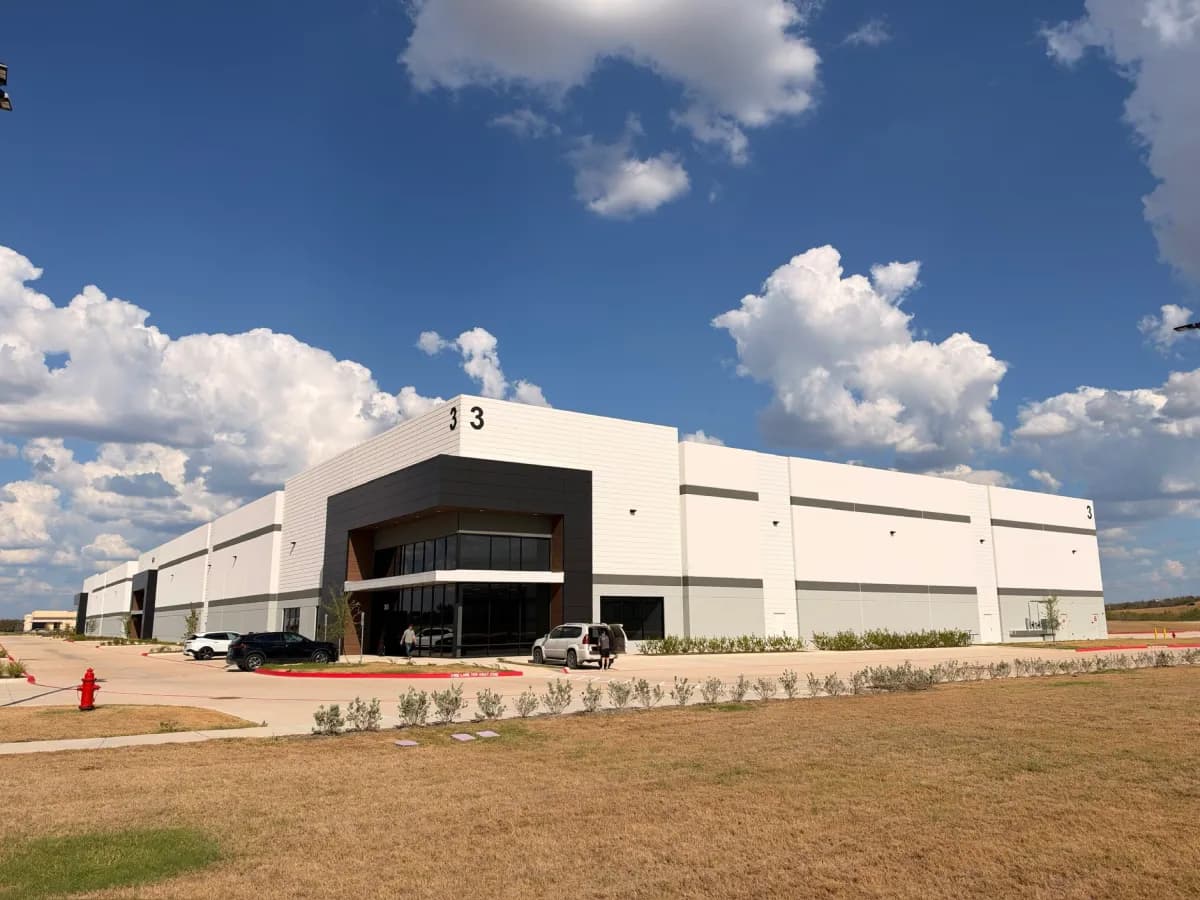
Ambrosia Energy founder and CEO Ben Longmier announced on Tuesday at the TechCrunch Disrupt conference in San Francisco that the company has begun work on a 10 gigawatt-hour battery factory near Austin, Texas. According to him, this volume will be enough to assemble power plants with a capacity of about 300 megawatts per year at the company's field sites. The factory will occupy 150,000 square feet, with full production planned within two to three years.
Model: solar plus storage
Ambrosia came out of stealth in June with the idea of building power plants for data centers at a price of $100 per megawatt-hour. Longmier and co-founder Sara Spangelo chose the combination of "solar panels plus batteries" as the cheapest and fastest-to-deploy option: during the day, the panels power the load and charge the batteries, which deliver energy at night and in cloudy weather, ensuring round-the-clock operation of the data center. Previously, the founders created the satellite constellation startup Swarm, which they sold to SpaceX.
First commercial station
Later this year, Ambrosia begins construction of its first commercial power plant in West Texas. It will combine 300 megawatts of solar panels and 660 megawatt-hours of batteries to deliver 30 megawatts of continuous power with a target availability rate of 99.3%. Longmier stated that even with "excessive" buildout of solar generation and storage, the company can be profitable at a price of $100 per MWh — making it competitive with gas turbines, which many hyperscalers plan to use for data centers.
Pilot and cost reduction
Sections of Ambrosia's first pilot power plant have been operating continuously for more than 100 days; the pilot is capable of generating 200 kilowatts around the clock. To achieve the target cost, the company is simplifying components, including panel mounts and battery modules, and manufactures many parts at its own factory instead of purchasing from third-party suppliers. "We buy finished cells and make our own module, which has roughly 100 times fewer parts than any of the competitors we've seen," Longmier said. According to him, the module's cost is about 1.3x the price of the cells themselves, versus 5–7x for most stationary storage systems.


