The key facts
- According to preliminary data, around 22:00 Kyiv time six ballistic missiles were launched; five hit civilian infrastructure, and the air raid siren sounded only after the strike had begun.
- Zelensky stressed the critical importance of early warnings; the president's adviser and the foreign minister link the incident to technical nuances, not to US actions.
- Amid reports of a US threat to suspend intelligence sharing and arms supplies if Kyiv stops strikes on refineries, the European Commission said it was not aware of such threats.
Strike without an air raid alert
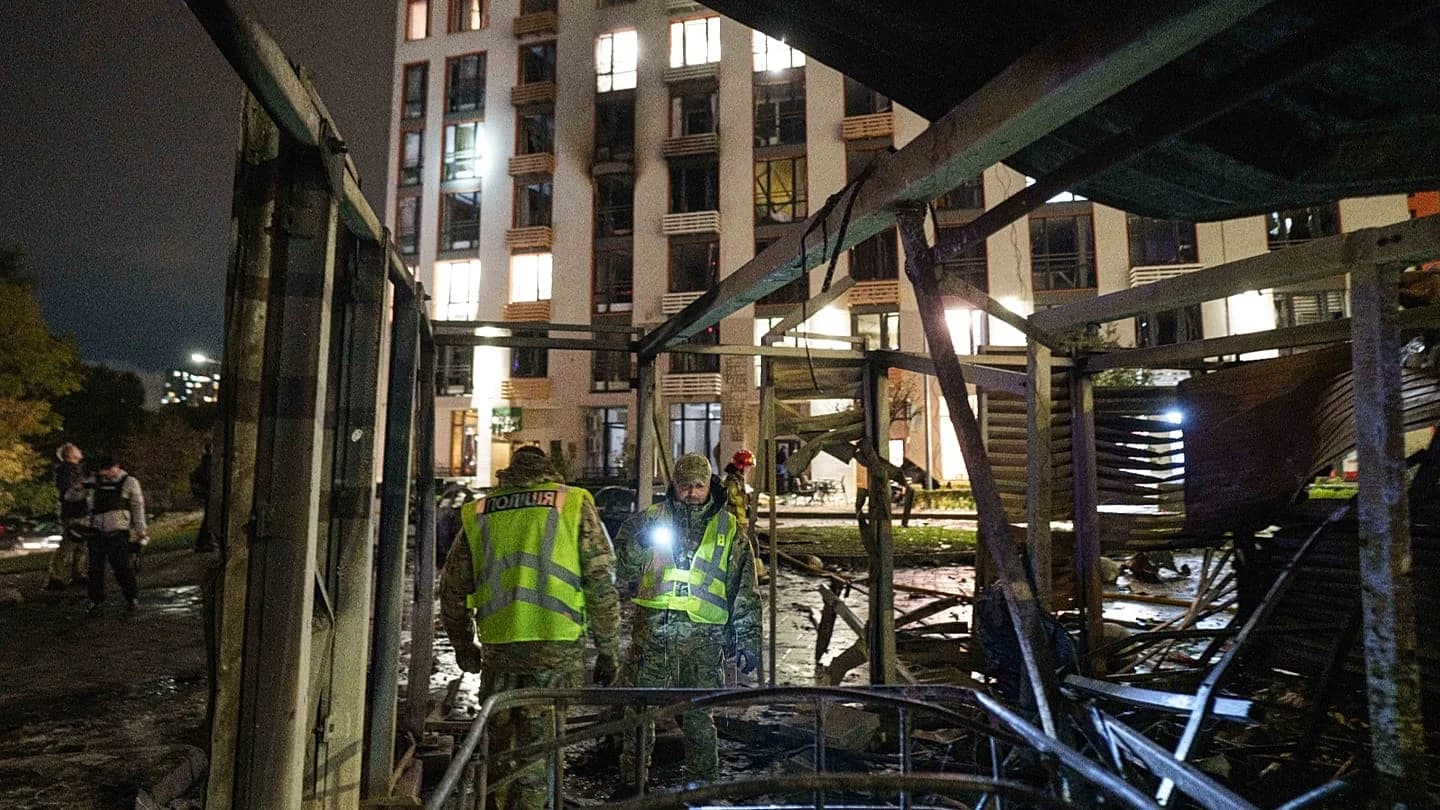
On Monday evening, Russian ballistic missiles hit Kyiv, but the air raid siren was not activated in advance, and residents did not have time to take shelter. According to initial data from the Air Forces of Ukraine, around 22:00 six ballistic missiles were launched at the capital; President Volodymyr Zelensky later said that five of them hit civilian infrastructure facilities, calling the strike 'particularly vile.' The absence of a warning gave rise to speculation that Washington might have suspended intelligence sharing with Kyiv amid diplomatic tensions.
Kyiv's reaction
On Tuesday, Zelensky confirmed that Ukraine had not received advance notification from partners about the launch, emphasizing: 'Intelligence data on Russian ballistic missile launches helps save lives... It is precisely early warning that makes it possible to prevent loss of life.' Presidential adviser Serhiy Beskrestnov ('Flash') urged against hasty conclusions, noting that this is not the first time a launch from an S-400 has gone unnoticed by partners' intelligence services. The Air Forces reported that their radars detected the missiles during the attack, but no data on the launch from Russian territory was received; the causes are being investigated. Air Forces spokesman Yuriy Ihnat confirmed that the siren sounded only after the strike had begun, but noted that the US is not the only intelligence partner: data is also supplied by other NATO countries.
Denials from Washington and Brussels
Foreign Minister Andriy Sybiha, at the Warsaw Security Forum, rejected suggestions of deliberate withholding of intelligence, stating that cooperation with the US continues and that the absence of a warning is connected with a 'special type of weapon' used by Russia. The European Commission said on Tuesday that it was not aware of any threats from Washington to end intelligence sharing or arms supplies to Ukraine.
Context: intelligence as a lever of pressure
The incident occurred amid reports that the US threatened to suspend intelligence sharing and arms supplies, including those purchased by European allies, if Kyiv does not stop strikes on Russian oil refineries. Kyiv considers oil infrastructure a legitimate military target. There is already a precedent: in March 2025, the Trump administration temporarily halted intelligence sharing and military aid, restoring them after talks in Saudi Arabia. American satellite systems detect missile launches before they appear on ground radars; it is unclear to what extent European allies could compensate for a new pause. European military sources told Euronews that intelligence sharing would likely be the last measure of pressure, since ending it would also threaten the security of American diplomats in Ukraine.