The key facts
- On the night of October 26, PM2.5 pollution in Tashkent, measured by the international AQI, reached the 'unhealthy' and 'very unhealthy' categories at most monitoring stations.
- The causes cited were a sharp nighttime cold snap, weak wind, and a temperature inversion that limited air exchange.
- Throughout Monday, the 'unhealthy' level on the AQI and 'moderate' on the national index are expected to persist.
Nighttime deterioration of air quality
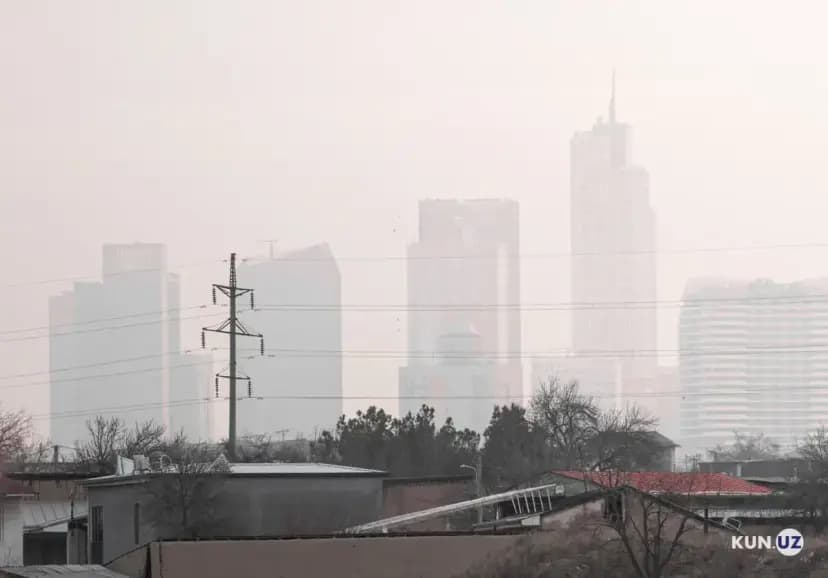
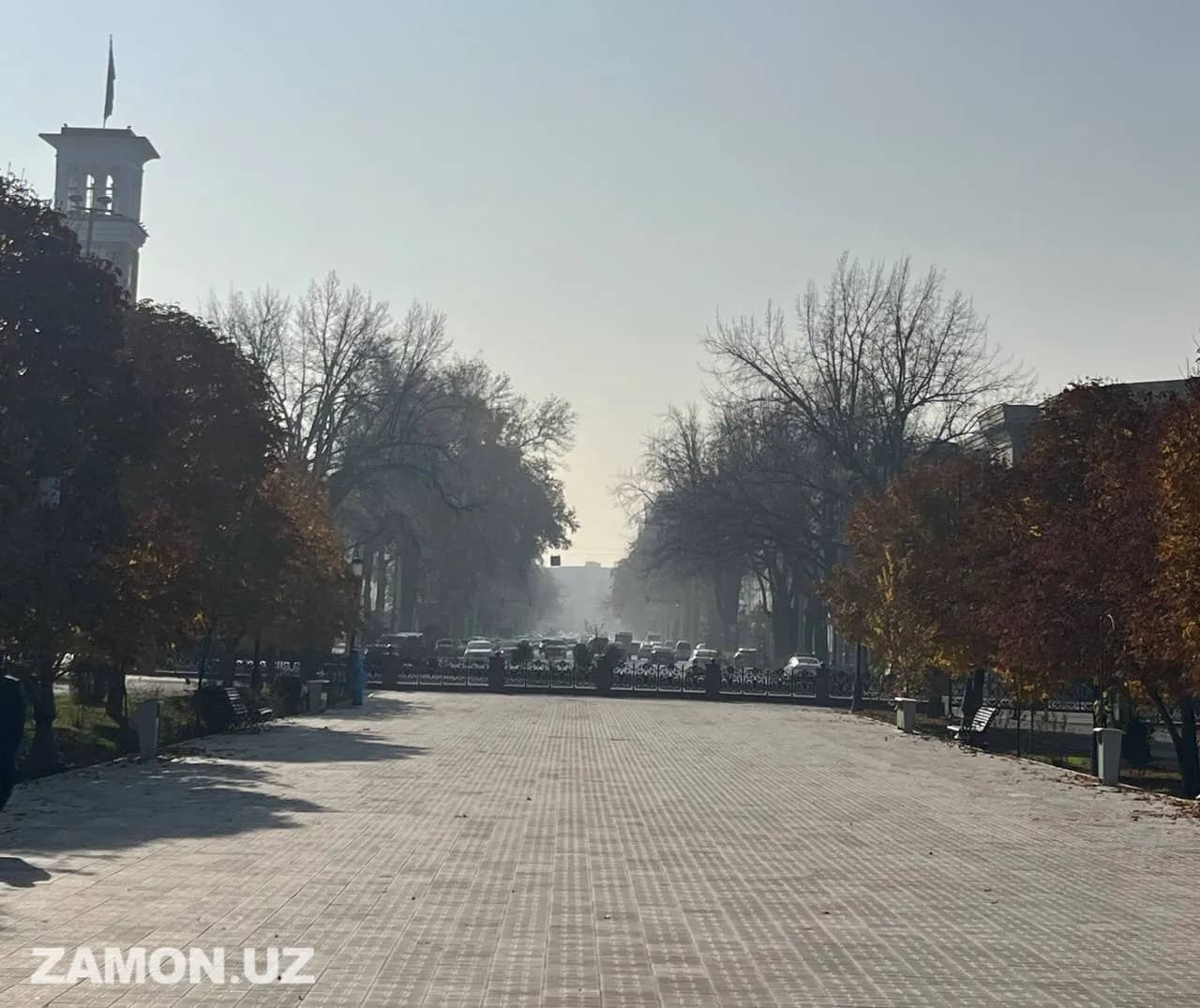
On the night of October 25–26, air quality in Tashkent deteriorated sharply due to unfavorable meteorological conditions. According to the Committee for Ecology, at certain monitoring stations, pollution measured by the international Air Quality Index (AQI) reached the levels of 'unhealthy' and 'very unhealthy',the Zamon.uz outlet reported. The special commission on improving air quality in the capital, which Gazeta.uz writes about, warned that throughout Monday the air will remain at the 'unhealthy' level on the AQI and 'moderate' on the national index.
Causes: inversion and weak wind
According to the Committee for Ecology, the accumulation of pollutants was caused by a sharp drop in temperature at night, weak wind, and a pronounced temperature inversion, which limited air exchange in the lower layers of the atmosphere. As a result, fine dust particles PM2.5 and PM10 accumulated in the surface layer, and elevated pollution levels persisted all night and into the morning. Satellite imagery from Meteosat recorded dust suspended in the atmosphere over Tashkent and adjacent areas from 00:00 to 08:00 on October 26.
Measurement data and discrepancies between indices
Nighttime instrumental measurements using a mobile laboratory showed that at most monitoring stations PM2.5 particle pollution corresponded to the 'unhealthy' and 'very unhealthy' categories on the international AQI. At the same time, according to the national index, the citywide averages looked milder: PM2.5 — 'yellow' ('moderate') level, PM10 — 'orange' ('unhealthy for sensitive groups'). The discrepancy between the international and national assessments of the same air is a notable detail: residents relying on different indices may receive different impressions of the degree of risk. For Monday, the commission and the Committee for Ecology forecast that the 'unhealthy' level on the international AQI and the 'yellow' ('moderate') level on the national index will persist.
Why this matters
The episode affects all residents of Tashkent, above all vulnerable groups — children, the elderly, and people with respiratory conditions, for whom the level of 'unhealthy for sensitive groups' for PM10 directly means an elevated risk. In practical terms, this means that throughout Monday residents should take the commission's official warnings into account when planning time outdoors, and the discrepancy between the national and international indices makes it useful to check both sources of data. It is not yet known how long the inversion will persist or whether pollution will decrease by evening — the sources provide a forecast only for the day.