The key facts
- Peng Xiao (G42): the UAE's ambition is to move from exporting energy to exporting intelligence; AI campuses totalling 5 GW are under construction, including Stargate UAE at 1 GW with OpenAI, Oracle, Nvidia, Cisco and SoftBank.
- Minister Omar Al Olama: the leadership reviews AI plans every six months; in April a plan was launched to deploy agentic AI across 50% of federal government sectors within two years.
- Al Olama warned that companies relying only on public models and clouds risk being displaced.
From exporting energy to exporting intelligence
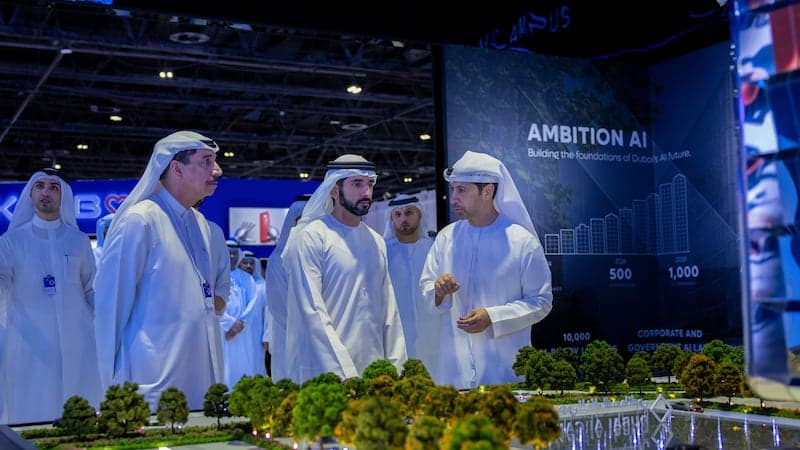
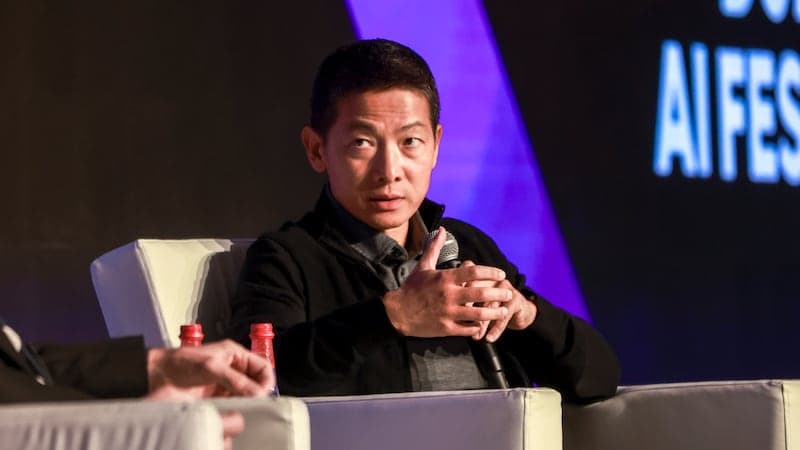
Artificial intelligence gives the UAE a unique chance to reorient its economy: instead of exporting energy, the country could become a global exporter of intelligence, said at the Dubai AI Festival on Monday Peng Xiao, head of the Abu Dhabi technology conglomerate G42. According to him, the country's energy resources can be converted into computing capacity to deliver AI services far beyond its borders. He stressed that the UAE's access to reliable energy and the speed of its IT infrastructure deployment allow it to meet international demand: 'Many of our American partners are effectively coming to our region, to our country, to gain access to computing capacity, because we can deliver it right now.' G42 is building an AI campus in Abu Dhabi with a capacity of five gigawatts, including the Stargate UAE project, a one-gigawatt facility involving OpenAI, Oracle, Nvidia, Cisco and SoftBank. According to Xiao's estimate, the country's connectivity will make it possible to serve a potential user base of about four billion people.
AI 'thinks better than us'
Xiao also said that humanity should fundamentally rethink its values: AI already 'thinks better than us' and, he strongly implied, has distilled all of humanity's knowledge. Therefore, he believes, people should value human connection and creativity and think about how to coexist and thrive in an era when AI will likely perform most mental work.
The state: flexibility and reengineering of processes
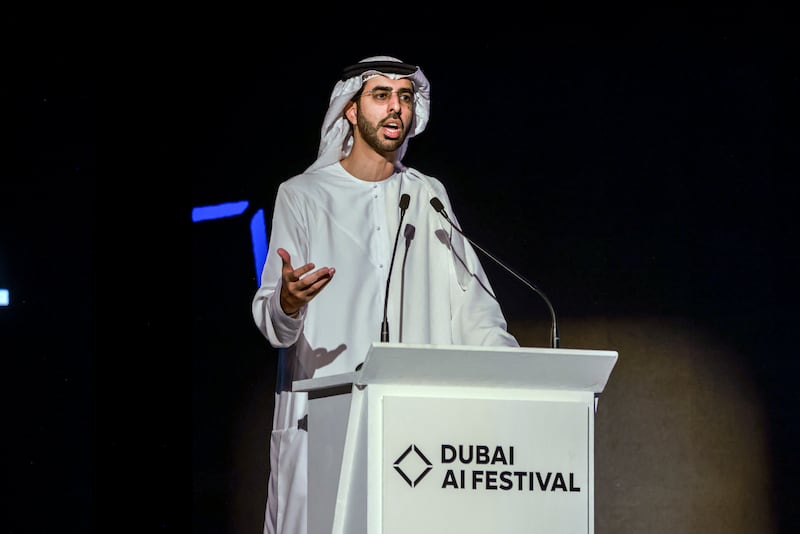
Omar Al Olama, Minister of State for AI, Digital Economy and Remote Work Applications, speaking at the same forum, said the government must ensure that every worker sees AI as 'a multiplier of opportunities, not a displacer from the workplace.' He acknowledged that 'turbulence' lies ahead for the private sector and government bodies, and said that the UAE leadership now reviews its AI plans every six months instead of on an annual cycle. The focus has shifted over the years — from computer vision and self-driving cars in 2017 to large language models in 2022, and then to agents that carry out tasks on a user's behalf. The goal is to improve quality of life: a country with a population of about 10 million should have the influence of a state of 50 or 100 million people. In April, the Vice President and Ruler of Dubai, Sheikh Mohammed bin Rashid, launched a plan to deploy agentic AI across 50% of federal government sectors within two years, including rebuilding government services 'from scratch' and training civil servants. Al Olama warned that success depends not on the volume of computing consumed but on how efficiently it is used: companies relying solely on public models and cloud services risk being displaced or 'replaced.'
Why it matters
The statements by G42 executives and the minister show that the UAE is positioning computing infrastructure as a new export commodity — this directly affects global AI players seeking capacity, as well as local businesses that will have to restructure their processes for agentic AI in the public sector and private companies. In practical terms, this means accelerated data centre construction in Abu Dhabi and a six-month review cycle for the state AI strategy. Note that the publication is based on remarks made at the forum; there is no independent verification of the stated timelines and capacities in the sources.