The key facts
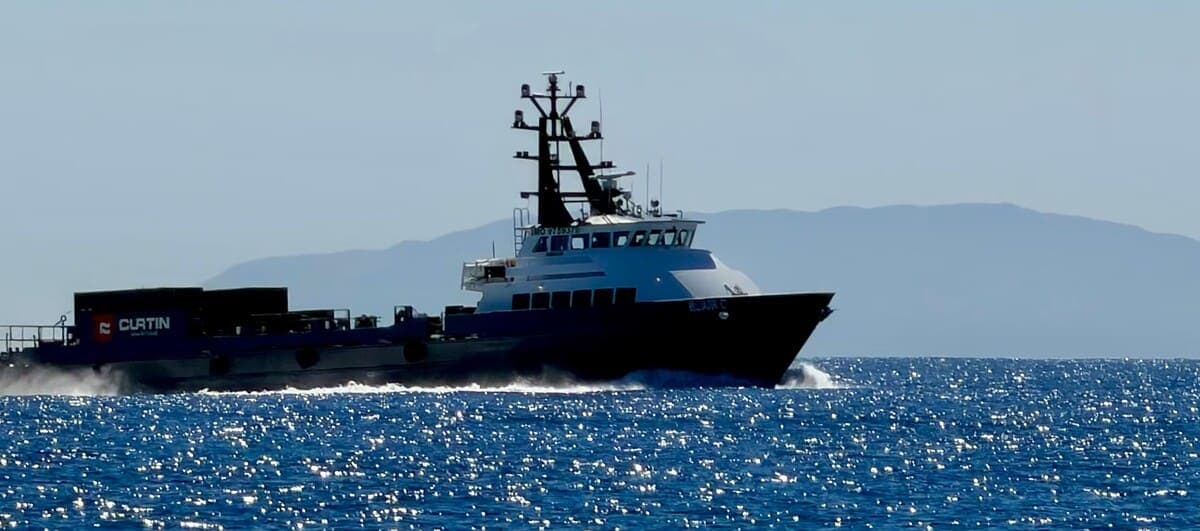
- The tests took place on a vessel previously used by the US Navy and converted for unmanned operation
- HD KSOE installed the VAone system, and Anduril provided the Lattice autonomous mission execution platform
- Malfunction simulations and operation without constant human involvement were practiced, with monitoring conducted from a shore-based control point
Autonomous vessel tests
For the tests, a vessel was selected that had previously been used by the US Navy and was then converted for unmanned operation. HD Korea Shipbuilding & Offshore Engineering (HD KSOE) equipped it with the VAone autonomous control system, while Anduril provided the Lattice platform, focused on independent task execution.
What the systems demonstrated
The joint operation of the two systems showed that the vessel is capable of moving with regard to the maritime situation and adjusting its actions when mission conditions change. The tests also included simulated emergency situations, including formation movement and equipment failure. Specialists evaluated how the vessel responds to technical malfunctions and possible damage, and whether it can maintain control over task execution under such conditions.
Observation from shore
Operators and observers monitored the process remotely — from a shore-based control point. A live video feed made it possible to see the vessel's movements and assess its operation without constant human involvement.
Prospects
According to the publication, the demonstrated technologies may in the future be applied in US Navy operations. The test is aimed at strengthening HD Hyundai's and Anduril's capabilities to participate in American unmanned surface vessel programs. The companies also plan to expand their activities in the international market amid growing demand for such maritime platforms.