The key facts
- A family of seven walked for three days to Aden after the Houthi offensive in the Kahbub mountains
- UN: about 800,000 people are not receiving life-saving aid, more than 250,000 displaced in three months
- The ward of al-Sadaka hospital has 22 beds but admits only 13 patients due to lack of funding and equipment
The family fled the war on foot for three days
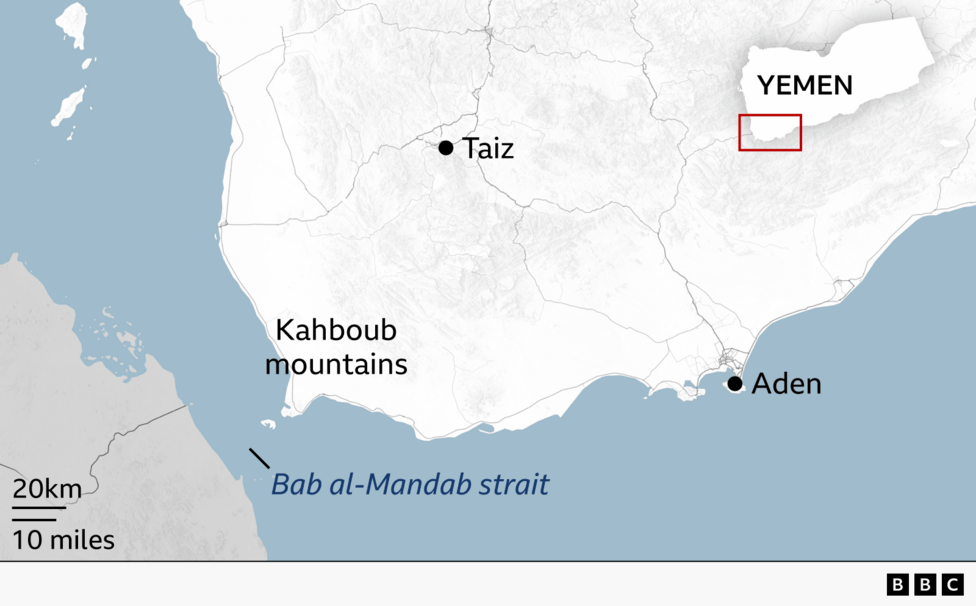
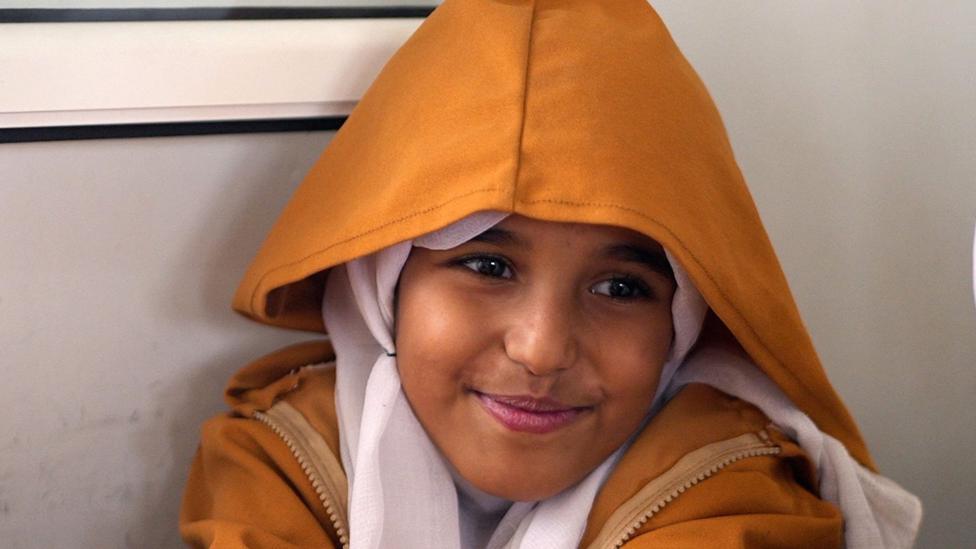
Seven-month-old twins Raghad and Raad Hassan were born prematurely amid the escalation of the civil war between the Houthis and government forces. When the Houthis reached their village in the Kahbub mountains in southwestern Yemen, the family of seven fled under bombs, rockets and drone attacks. For three days they walked on foot to the port city of Aden — there was no transport, and only on the fourth day, according to the father Bajash Ali Saghir Hassan, did a kind man give them a ride. The mother Lina recounted that the twins weakened on the road: cold, dust, worsening vomiting and diarrhea.
Diagnosis: severe acute malnutrition
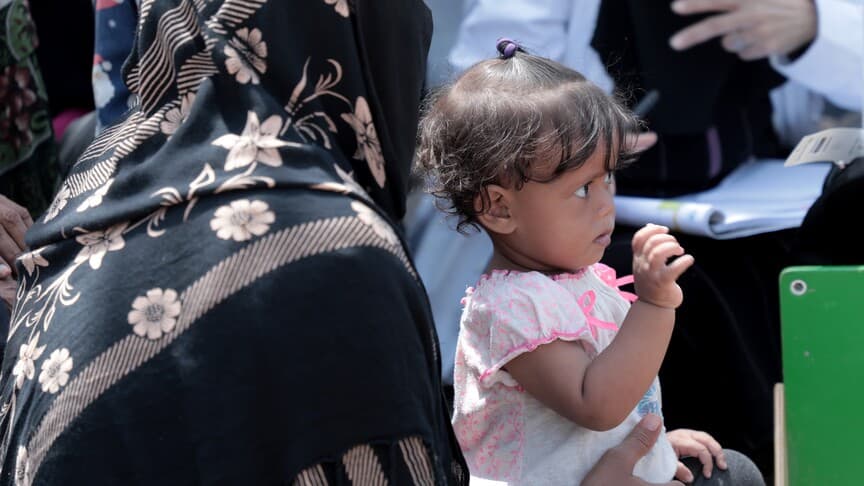
By the time they arrived at al-Sadaka hospital in Aden, the twins were, in the doctor's words, 'skin and bones.' Raad was the heavier one — his ribs protruded, his breathing was rapid and shallow. The doctors managed to get a hospitalization referral with the help of head nurse Aisha Ragab, who herself fled the war in 2018. No free beds were available, and the twins were placed in one. Raad could not keep down the fortified milk his mother fed him. Asked whether the children would recover, Lina quietly replied: 'God willing.'
The hospital is operating at its limit
The ward with pink walls has 22 beds, but, according to staff, only 13 of the most severe patients are admitted at a time — due to a shortage of international funding, staff and equipment. Dr. Nour Mohammed reported that the hospital loses patients because of conditions: there are no ventilators, oxygen cylinders, and laboratory tests are difficult to perform. Children often return a day or two after discharge because parents cannot afford proper nutrition, vitamins or antibiotics. Even before the latest escalation, the UN estimated that half a million Yemeni children would suffer from severe acute malnutrition this year.
Context of the conflict
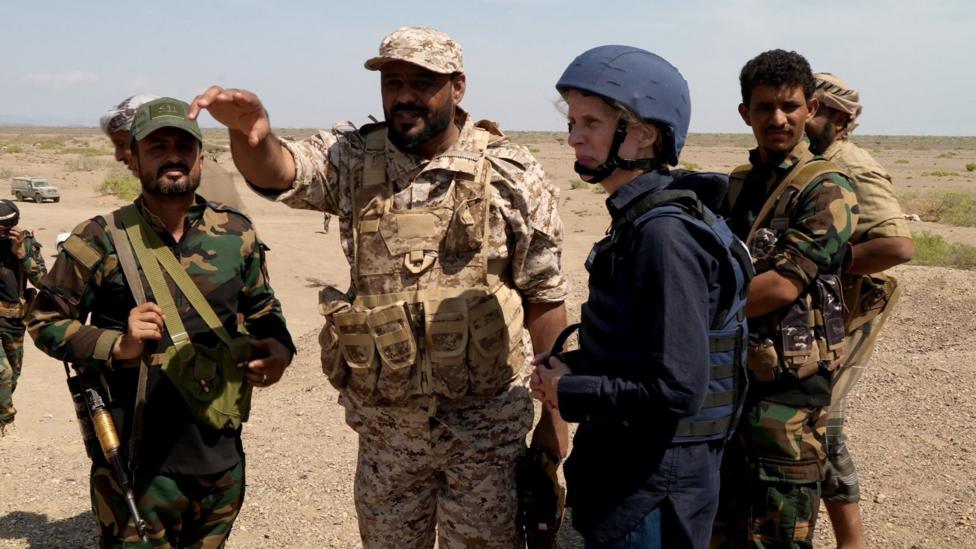
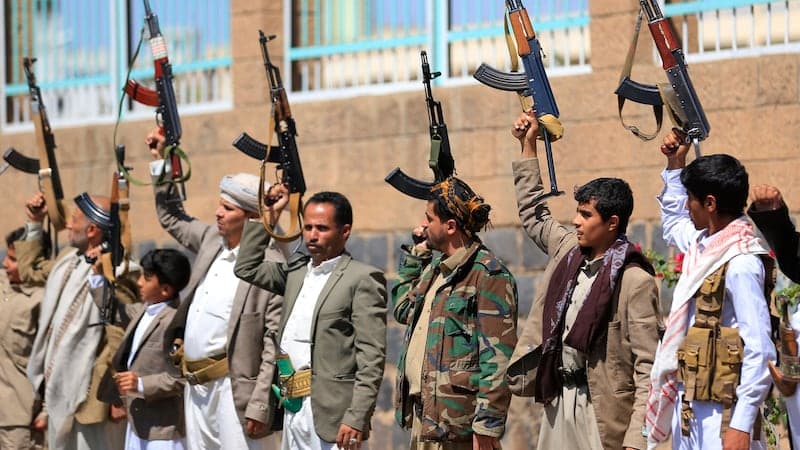
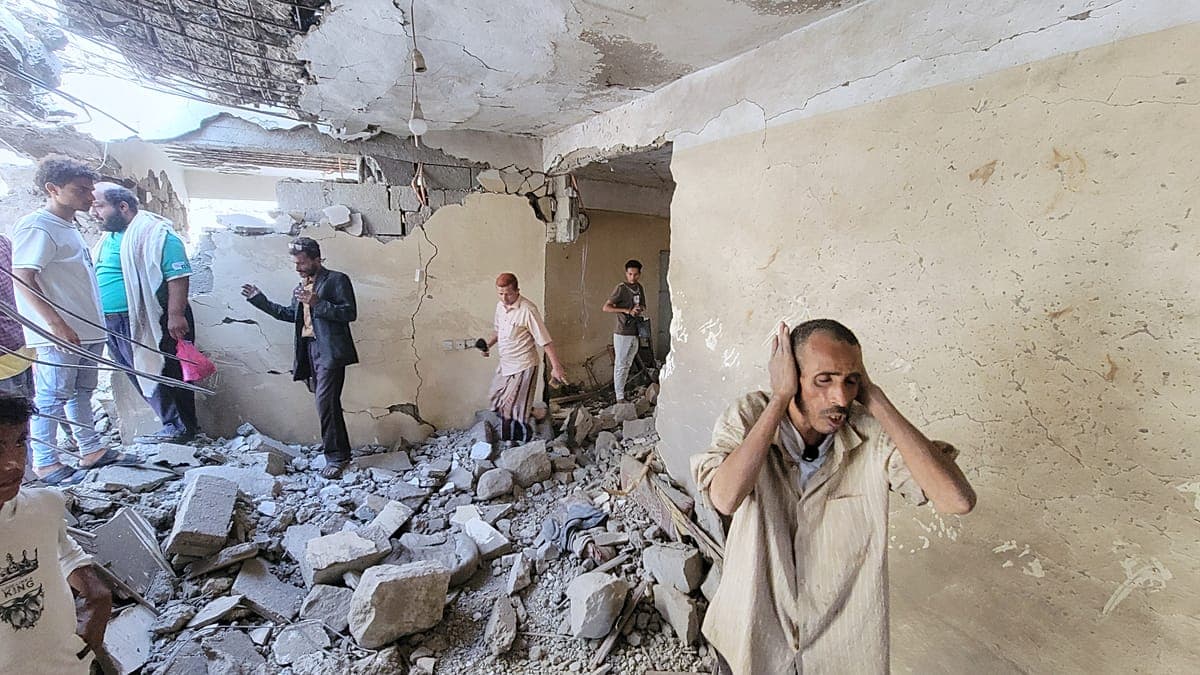
According to the UN, after the collapse of the informal truce in the summer, about 800,000 people lost access to life-saving aid, and more than 250,000 were displaced over the past three months. The Houthis carried out a rapid offensive along the Red Sea coast and completely blockaded Yemen's third-largest city, Taiz; the UN reports that civilians there are 'in serious danger' and suffering from food shortages due to rising prices. The internationally recognized government opposes the Houthis with the support of Saudi airstrikes. Bajash Hassan, who left behind 10 sheep — his only means of livelihood — when fleeing, spent the nights with his three older children (all under five) on the street outside the hospital.
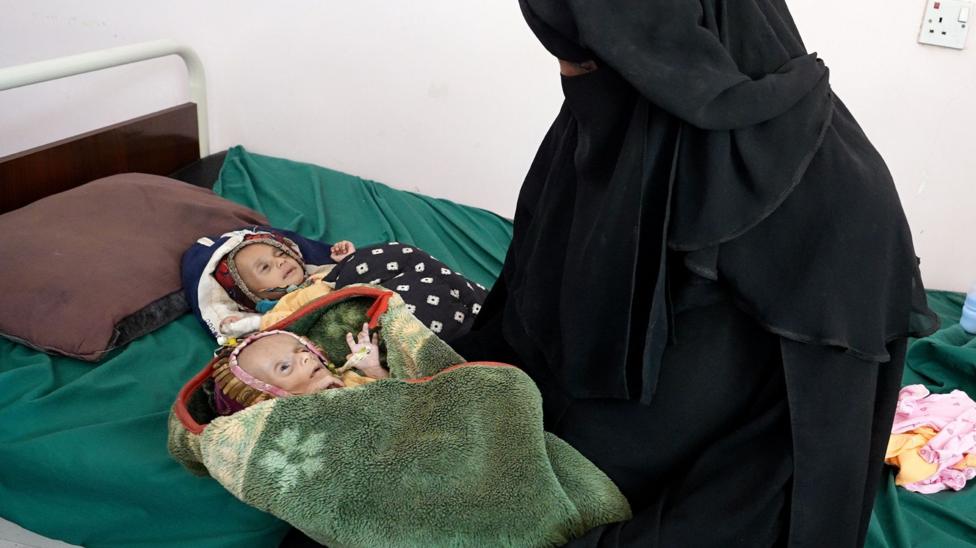
The twins' family walked for three days before being given a lift to Aden
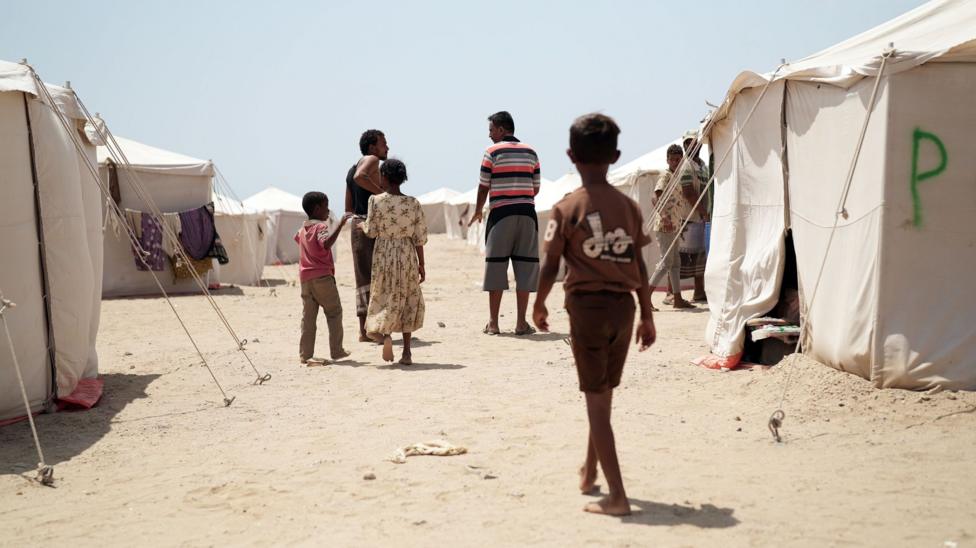
More than 250,000 people have been displaced over the past three months, the UN says
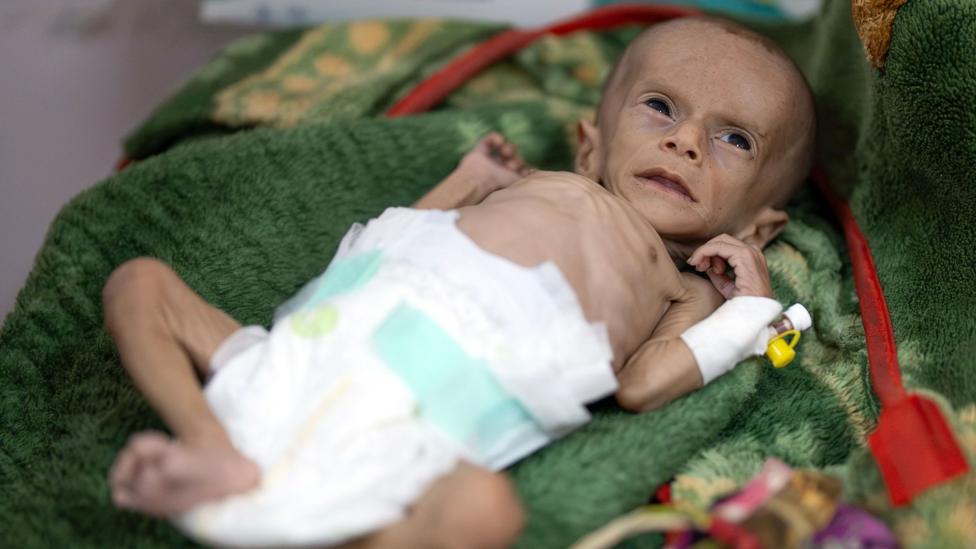
Raad was unable to keep down the fortified milk he was fed by his mother Lina
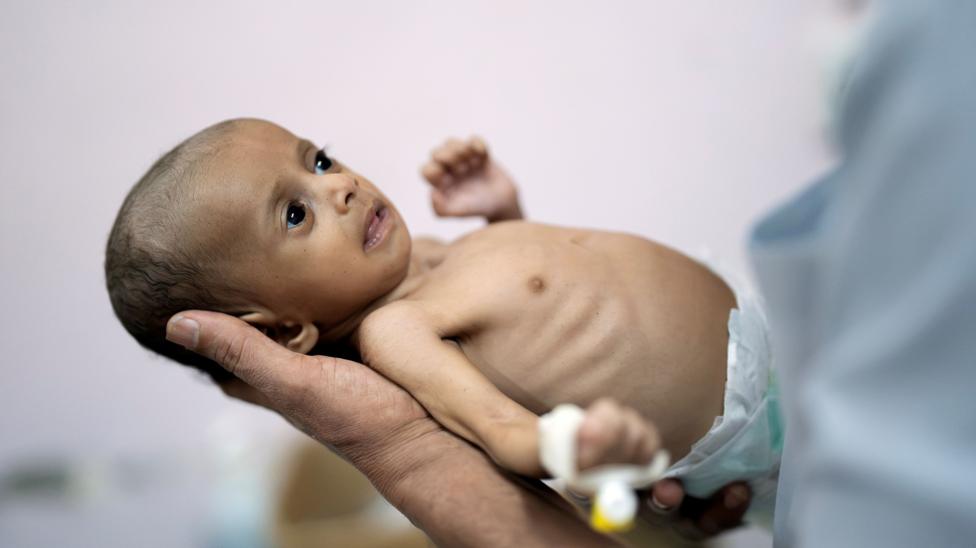
Raghad, like her brother, was diagnosed as having severe acute malnutrition
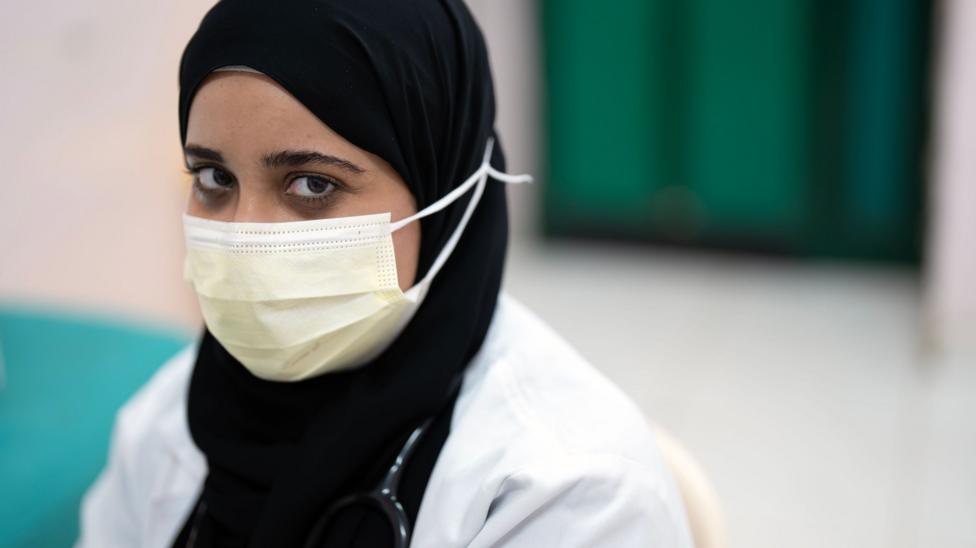
Dr Noor Mohammed says families with no money or insurance depend on her hospital for treatment
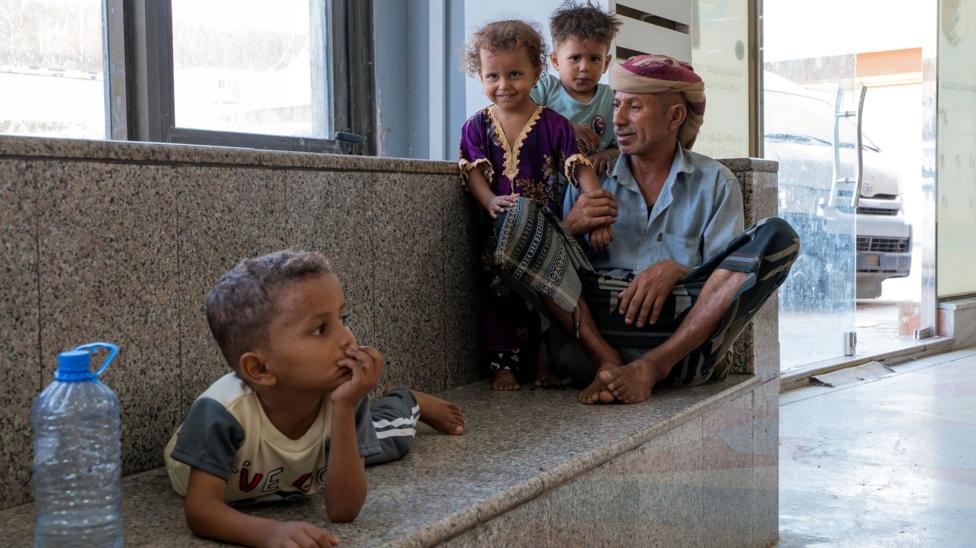
Bajash and his other children were forced to sleep on the street