The key facts
- Giant effigies of Ravana, Meghnad, and Kumbhakarna were burned in New Delhi on October 21 for the Dussehra festival
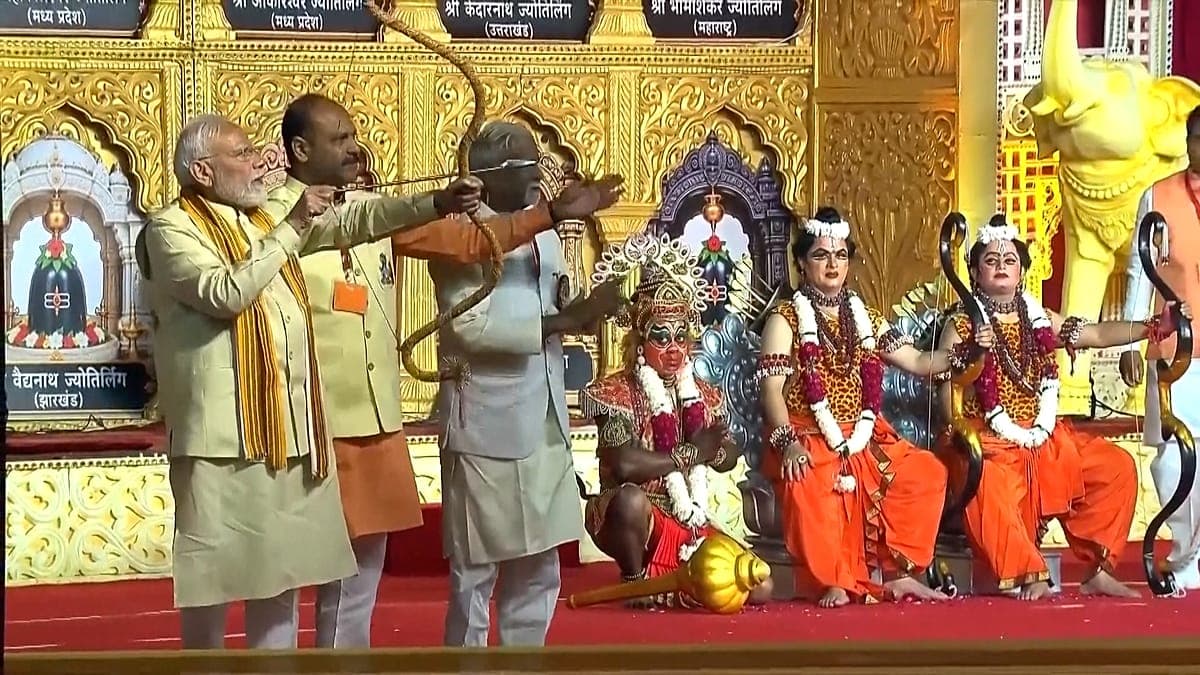
- Actors dressed as Rama and his brother reenacted the final moments of the battle; the Prime Minister fired an arrow from a bow
- The festival is also called Vijayadashami — 'victory' and 'tenth day'
Burning of Demon Effigies in New Delhi
On Tuesday, October 21, crowds of New Delhi residents watched as giant effigies of demons burst into flames: India was celebrating Dussehra, a Hindu festival of the triumph of good over evil. The sky was lit up with fireworks as the figures of Ravana, his son Meghnad, and his brother Kumbhakarna burned.
Symbolism of the Ritual
According to Hindu tradition, the ritual commemorates Ravana's defeat at the hands of the god Rama. Actors dressed in costumes of Rama and his brother reenacted the final moments of the battle.
The Prime Minister's Participation
The Prime Minister of India joined the spectators at the city grounds and fired an arrow from a bow.
About the Festival
Hindus observe nine days of ceremonies, rituals, and fasts, which conclude on the tenth day. The festival is also known as Vijayadashami — from the words 'vijaya' ('victory') and 'dashami' ('tenth day').