The key facts
- Burnham instructed the Chancellor and Energy Secretary to work on scrapping standing charges in gas bills
- Nesta: shifting costs into the unit rate would save a typical household ~£27 a year; Energy UK warns the effect depends on redistribution
- Average standing charges: 54.8p a day for electricity and 29.7p for gas; energy prices are forecast to rise 16% in January
The PM's instruction
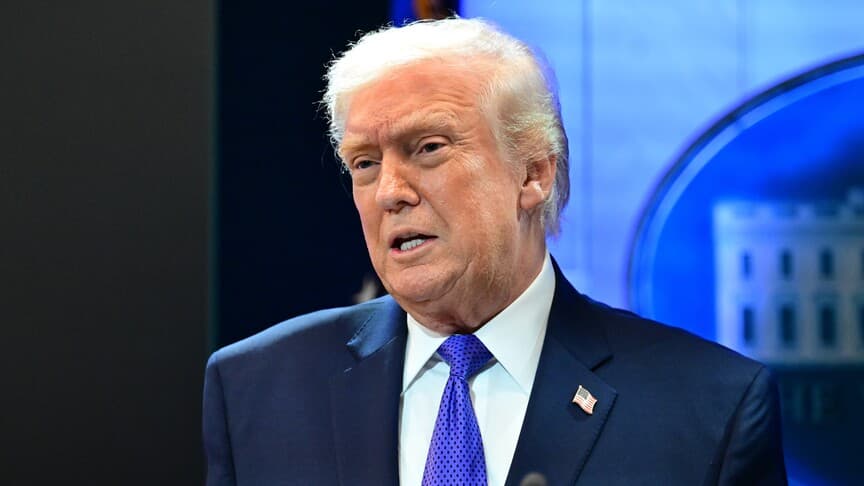
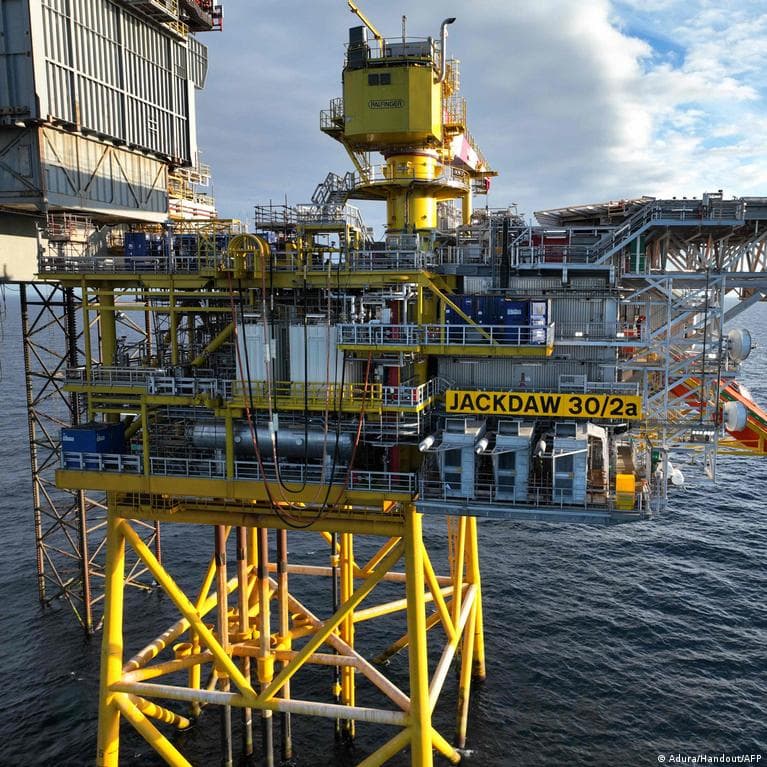
Prime Minister Andy Burnham, during Prime Minister's Questions, said he had instructed Chancellor John Healey and Energy Secretary Miatte Fanbulle to 'consider whether we can remove fixed charges from gas bills, and report to the House at the earliest opportunity.' He also called the approval of the Jackdaw gas field in the North Sea a 'pragmatic solution', which, he said, would allow increased investment in renewable energy and 'do more to help people with their bills.'
What standing charges are
Fixed charges are daily fees covering the costs of connection to the network: transporting energy through pipes and wires, maintaining infrastructure, and funding support programmes for low-income households. Their size varies by region, and they must be paid even with zero consumption. Average values are 54.8 pence a day for electricity and 29.7 pence a day for gas.
Debate over the consequences
There are no implementation details yet. The research organisation Nesta proposed shifting these costs into the per-unit consumption tariff so that people pay for actual usage: low-consumption customers would benefit, but heavy users may pay more. Madeleine Gabriel, Nesta's director of a sustainable future, said that scrapping the gas standing charge and shifting costs into the unit rate 'would help those hit hardest by rising energy prices'; the organisation estimates a typical annual bill would fall by £27. The industry association Energy UK, by contrast, noted that whether the proposal would change bills depends on how and where the costs are redistributed. Citizens Advice has warned of risks for vulnerable customers with low incomes but high consumption, who could be harmed by the reform.
Regulatory and price context
The regulator Ofgem has spent almost two years consulting on standing charges, which drew a massive response, including sharp criticism from low-consumption users who cannot reduce these payments in any way. Ofgem has also launched pilot tariffs with low standing charges, but has not yet reached final conclusions. When asked why electricity standing charges are not being scrapped, the Prime Minister's official spokesperson replied that VAT on electricity bills has already been reduced. Burnham added that investment in renewable energy would allow bills to be cut 'substantially' by breaking the link between electricity prices and gas prices 'in this Parliament': electricity prices in the UK are largely determined by gas prices, which is often cited as the reason for their high level compared with other countries. Pressure on the Chancellor is mounting ahead of next week's budget: energy prices are forecast to rise 16% in January to a four-year high.
 Image source, Getty Images