The key facts
- Micro-forests: dense planting — at least two saplings per square meter on plots of 200–1000 sq. m
- Green zones are prohibited from being transferred into ownership, built up, or restricted in citizen access
- From January 1, 2027 — the 'Green Lot' system; the autumn planting season starts on November 10
Micro-forests in neighborhoods and public gardens
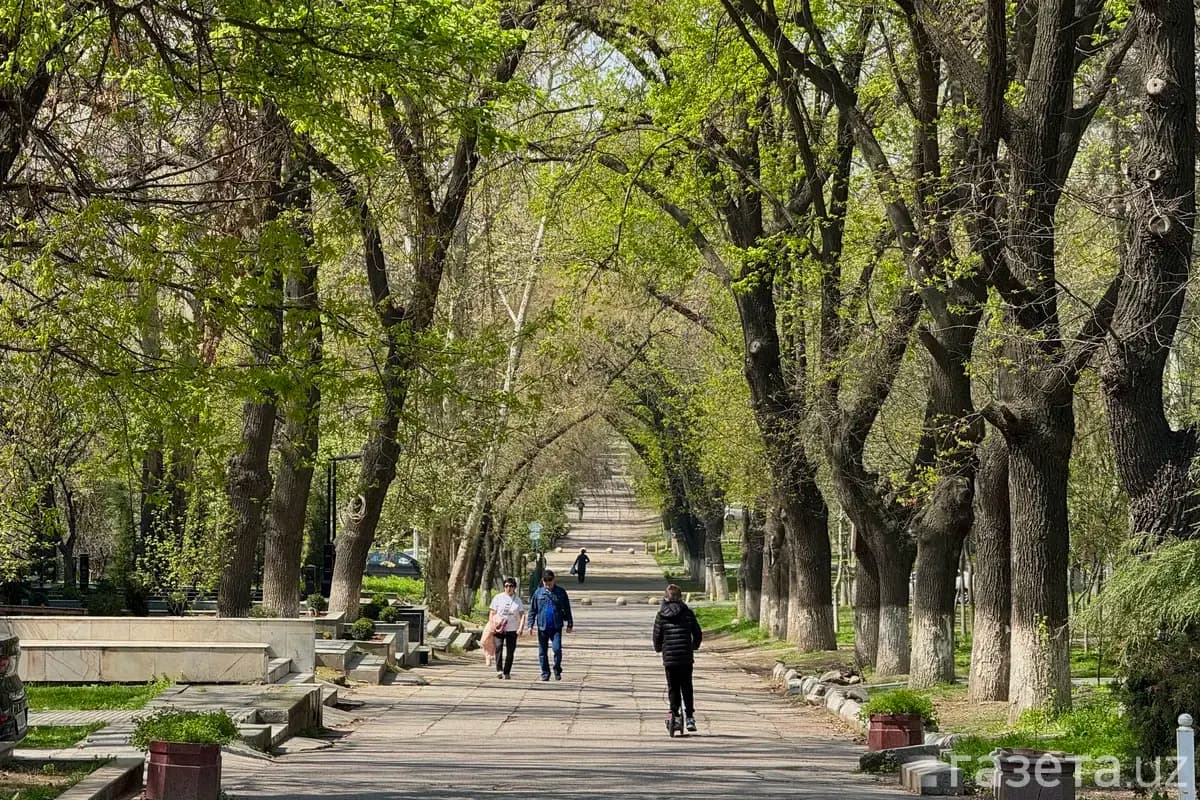
Tashkent plans to create micro-forests in neighborhoods with limited land area, between multi-story buildings, as well as in the courtyards of schools and kindergartens. This is provided for by a decree of the city khokim Shavkat Umrzakov dated October 19. According to the document, on plots of 200 to 1000 sq. m, tree and shrub saplings will be planted densely — at least two per square meter. In areas covered with asphalt or concrete, where land cannot be allocated for greening, large planters with saplings will be installed to create small public gardens.
Distribution of responsibilities and requirements for green zones
District khokimiyats and sponsors must ensure the installation of large planters, the Forestry Agency — the supply of quality saplings, and neighborhoods (mahallas) — the organization of planting and care with residents' participation. For each such garden, persons responsible for water supply, container storage, and plant care must be designated. The decree also prohibits transferring lands allocated for green zones into the ownership of individuals and legal entities, using them for construction and other purposes, and restricting citizens' access. Green gardens created on the initiative of citizens and entrepreneurs are subject to cadastral registration and inclusion in the registry.
'Green Lot' and district programs
From January 1, 2027, under the 'Green Lot' system, land plots will be allocated to citizens and companies on a contractual basis for creating green gardens. District khokimiyats have been instructed, together with the cadastral and environmental authorities, to prepare proposals for such plots, publish announcements, and organize the conclusion of contracts. By November 1, Tashkent must develop district 'green programs,' which are then to be prepared annually by March 1. The programs must reflect specific projects: green gardens, shaded pedestrian streets, lakes, irrigation systems using rain, snow, and wastewater, as well as tree care and litter collection points. For each project, funding, timelines, responsible parties, and expected results are defined; the programs are reviewed and approved by district councils of deputies.
Composting, cleanliness, and public awareness
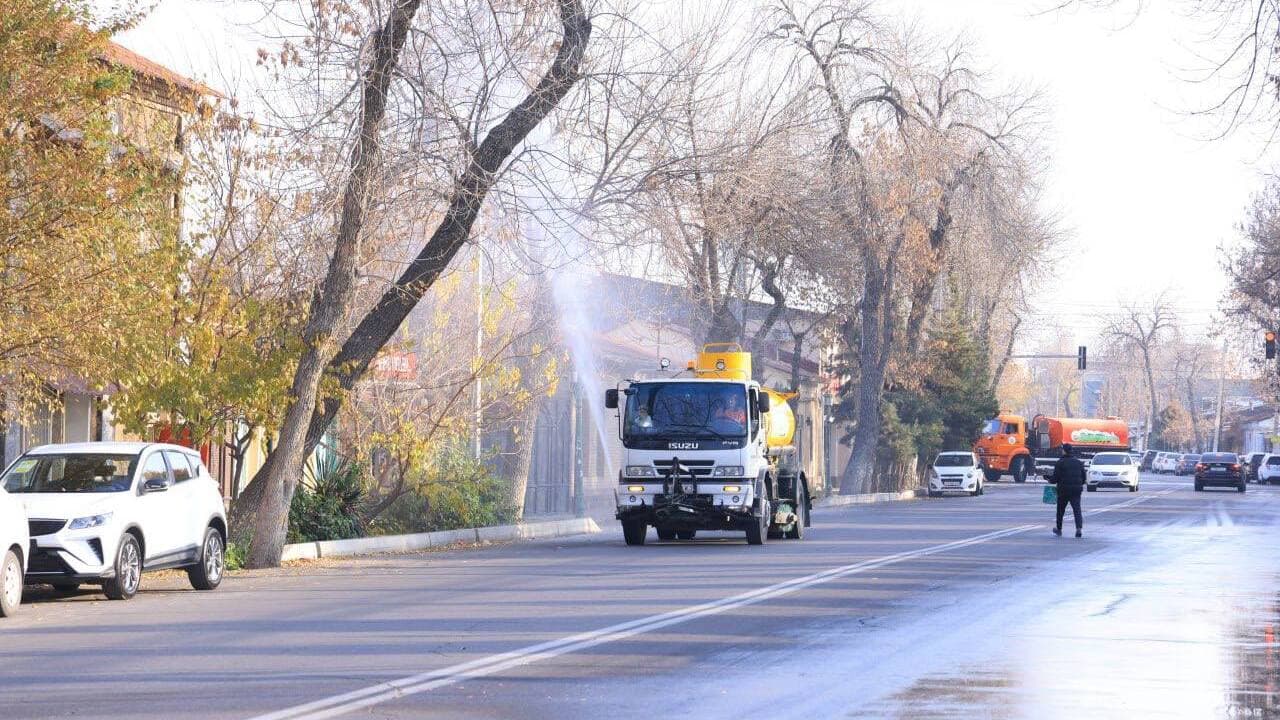
In the Yangihayot district, work on the 'green program' must begin within three months using the State Targeted Fund for Addressing National Environmental Problems. By the end of 2026, banners and electronic boards with information about the benefits of greening and the environmental indicators of territories are planned to be installed at neighborhood entrances. The creation of composting and mulching systems is also envisaged in botanical and dendrological gardens, forestry farms, and large green zones: shredding branches and using organic materials to care for the soil around trees. Each district must be provided with at least one branch shredder. As part of the two-month cleanliness campaign announced on October 1, it was ordered to clean ditches, canals, collectors, streets, public places, and areas around multi-story buildings, as well as to prepare drainage systems for seasonal precipitation.
Tree planting and the 'Yashil Makon' platform
The autumn season of planting trees and shrubs in Tashkent starts on November 10. Before that, city services must prepare land plots, check and adjust irrigation systems, treat the soil, and carry out other agrotechnical measures. Under the program for 2027–2036, by January 2028 a 'Tree Balance' module is planned to be implemented on the 'Yashil Makon' platform, allowing trees to be recorded with geolocation, species, age, condition, irrigation source, and those responsible for care indicated. The khokimiyat noted that the goals of the measures are not only to increase the number of green zones but also to preserve existing trees, properly care for them, and create a comfortable environment in every neighborhood. According to UzNews.uz, starting next year, under the 'Green Neighborhood' project, the 'Neighborhood Greening' package is also planned to be introduced.