The key facts
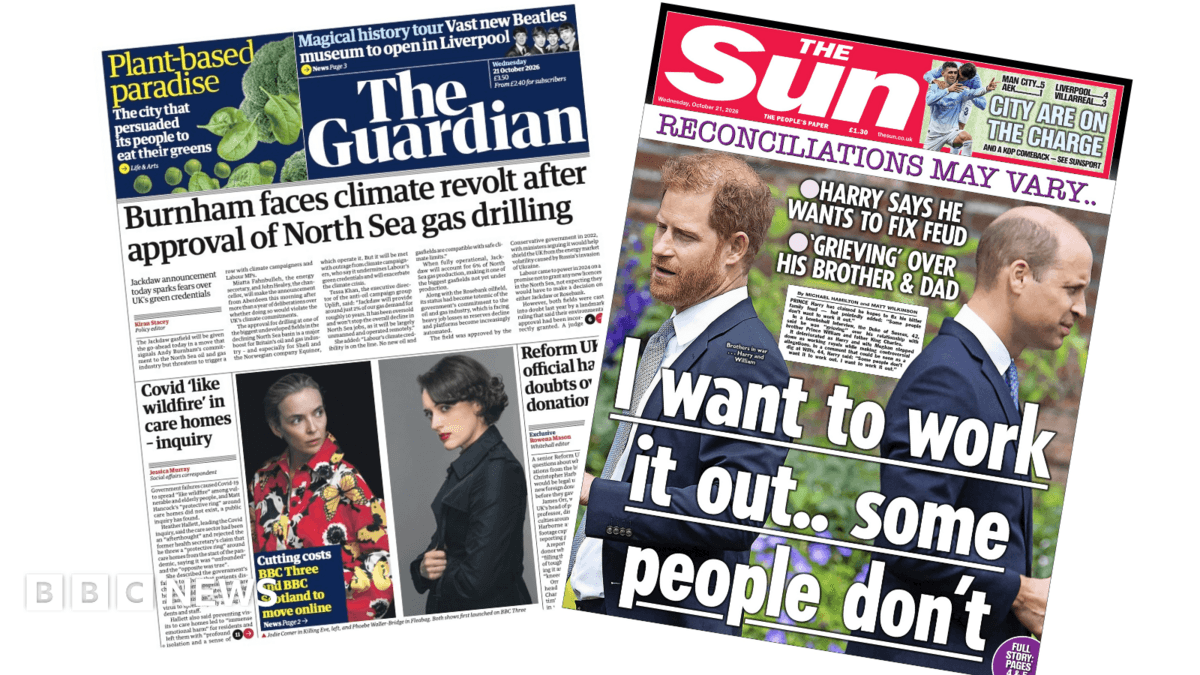
- According to the BBC, the UK government will announce its decision on the Jackdaw gas field in the North Sea on Wednesday morning; there is a widespread view in Westminster that the project will be approved.
- A decision on the Rosebank oil field near the Shetland Islands is not expected to be made yet.
- The licences were issued by the Conservative government in 2022 and 2023, but the Court of Session in Edinburgh ruled the fields' approval unlawful due to failure to account for climate impacts.
Expected Jackdaw announcement
The UK government is expected to announce its long-delayed decision on the fate of the Jackdaw gas field in the North Sea. According to the BBC, citing several Whitehall sources, the announcement will come on Wednesday morning, with Energy Secretary Miatta Fahnbulle addressing MPs in the afternoon. There is a widespread view in Westminster that Jackdaw will be approved, but a decision on the Rosebank oil field near the Shetland Islands will not yet be made. The question of approving both projects has taken on serious political significance, and its consideration has been delayed for several months.
Government position and background
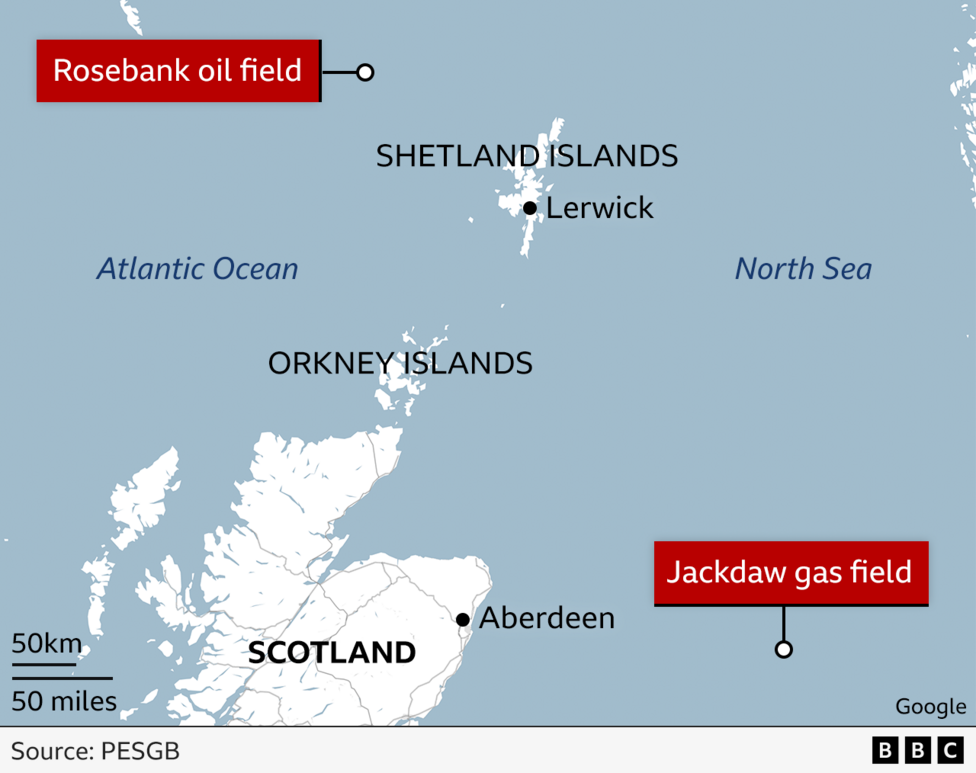
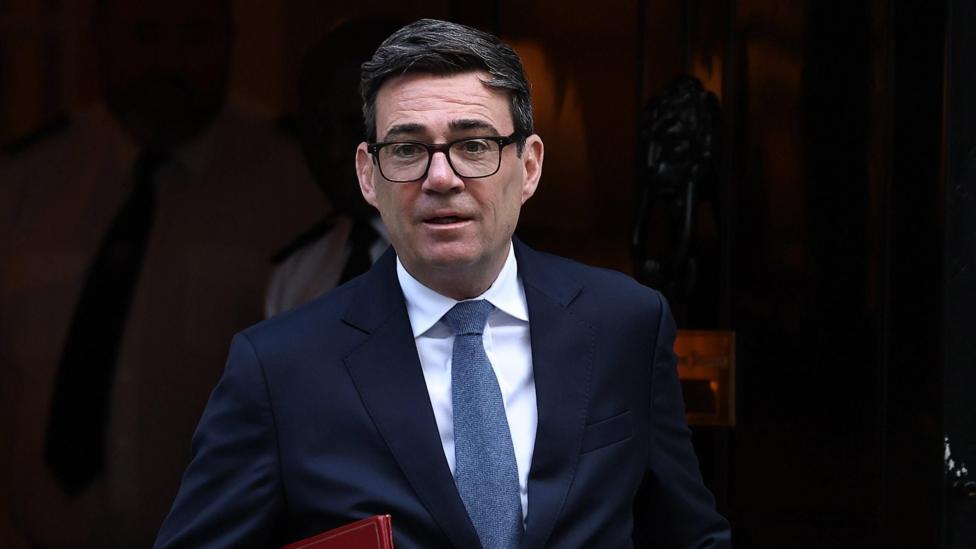
Prime Minister Andy Burnham has repeatedly spoken of the need for a 'flexible' approach to energy and, according to reports, supports additional extraction where licences have already been issued. Labour's manifesto for the 2024 election contained a commitment not to issue new oil and gas licences in the North Sea, while honouring existing ones — Jackdaw falls into that category. The Jackdaw field is located roughly 150 miles east of Aberdeen; according to its operators, it could be connected to the UK grid within months. Rosebank, located roughly 80 miles north-west of the Shetland Islands, is the UK's largest undeveloped oil field and is also expected to produce some gas.
Legal disputes and arguments on both sides
The contested fields have been the subject of debate, litigation and public consultations for years. Licences for both projects were issued by the Conservative government in 2022 and 2023, prompting legal action by environmental groups. Last year the Court of Session in Edinburgh ruled that Rosebank and Jackdaw were approved unlawfully because the government failed to take account of the climate consequences of burning the oil and gas extracted from the fields. Environmentalists argue that new extraction will hinder greenhouse gas emission reductions, will not protect energy security, and that a faster transition to 'green' technologies would better support jobs. Industry bodies, by contrast, say that launching production at Rosebank and Jackdaw will create jobs and strengthen the country's energy security against the backdrop of supply threats from conflicts abroad.
Context and planned protest
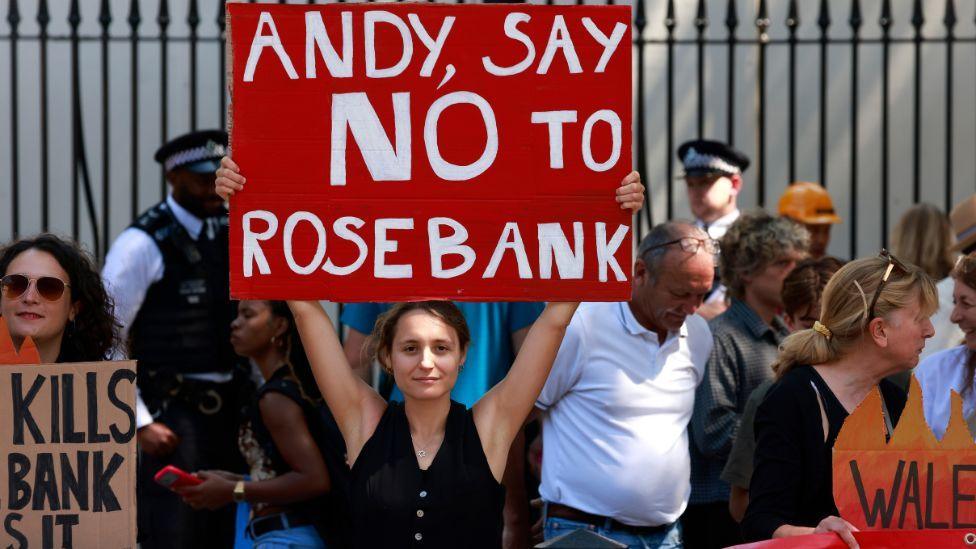
According to The Times, in July Burnham and Fahnbulle considered approving extraction at Jackdaw and Rosebank in order to reduce energy costs ahead of winter. Against the backdrop of summer reports about a possibly more pragmatic approach by Burnham's government to domestic oil production, US President Donald Trump praised the move in posts on Truth Social, writing that 'the people of Aberdeen are dancing in the streets' because the new prime minister had declared his readiness to fully open North Sea oil production. Meanwhile, the climate group Fossil Free London will hold a demonstration on Wednesday outside the Department for Energy Security and Net Zero: participants dressed in giant cheque costumes intend to depict the projects' supposed climate cost in human lives should they be approved.
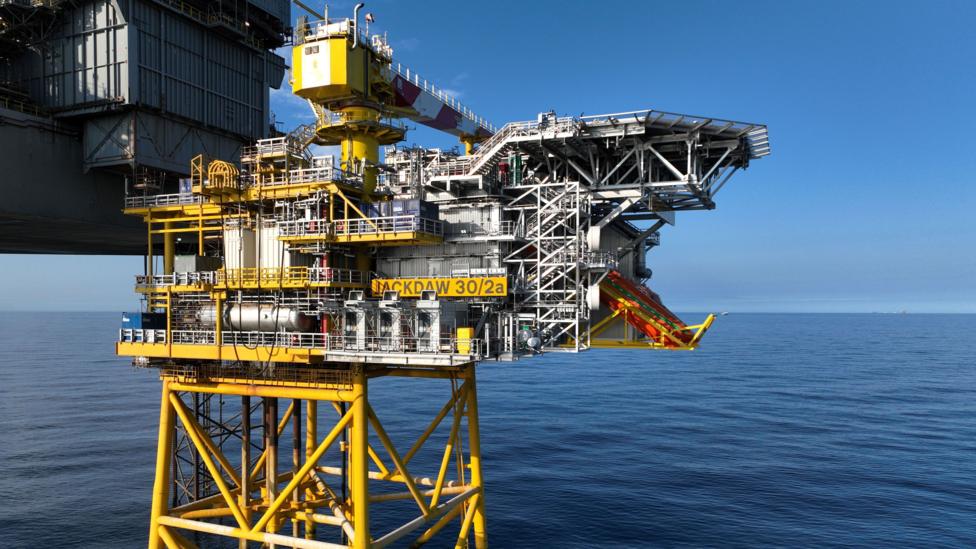
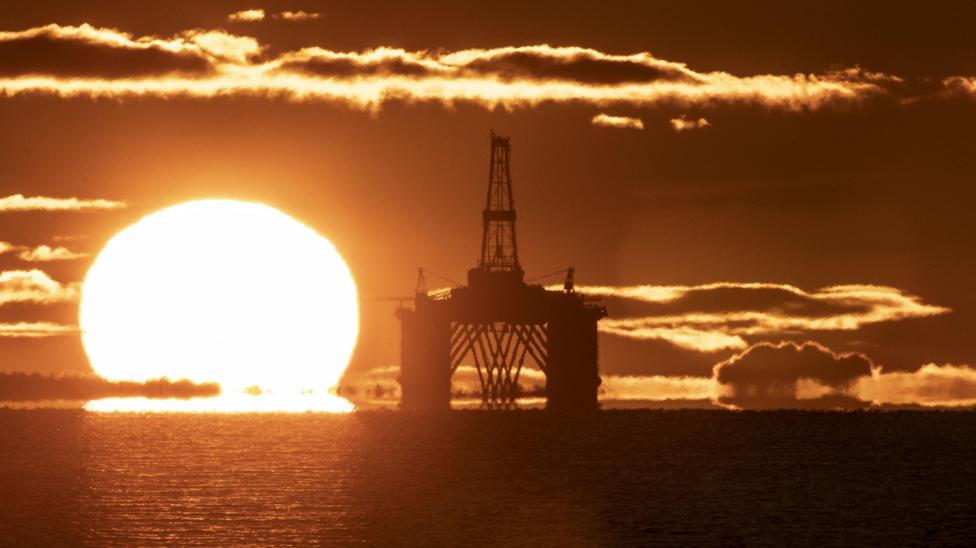
The Jackdaw gas platform and drilling rig stand east of Aberdeen in the North Sea