The key facts
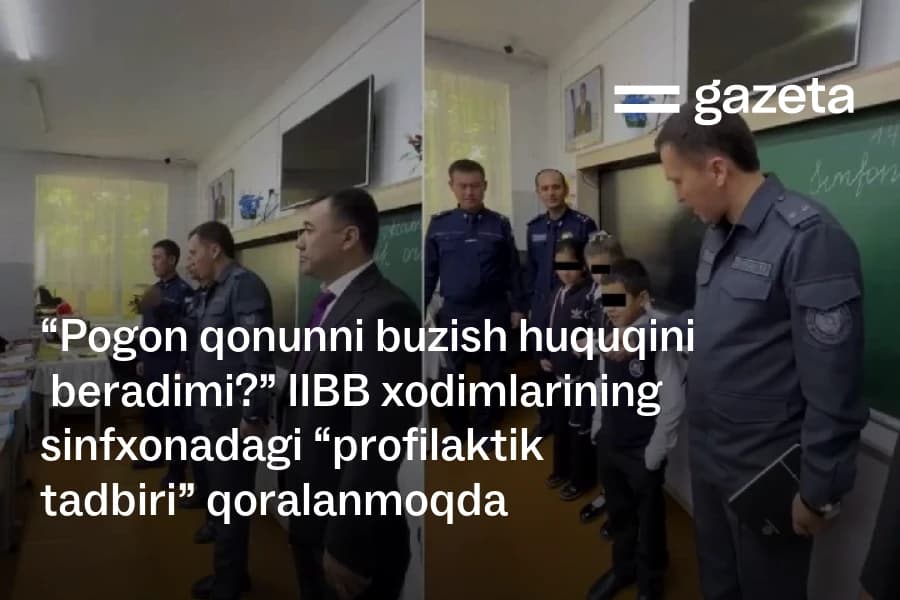
- On October 16, the press secretary of the Tashkent Police Department published a video of nine-year-old schoolchildren being asked about riding in the front seat of a car; the video gained 7.7 million views in a day.
- The Ministry of Education said the event had not been coordinated with the agency and called intimidating children unacceptable.
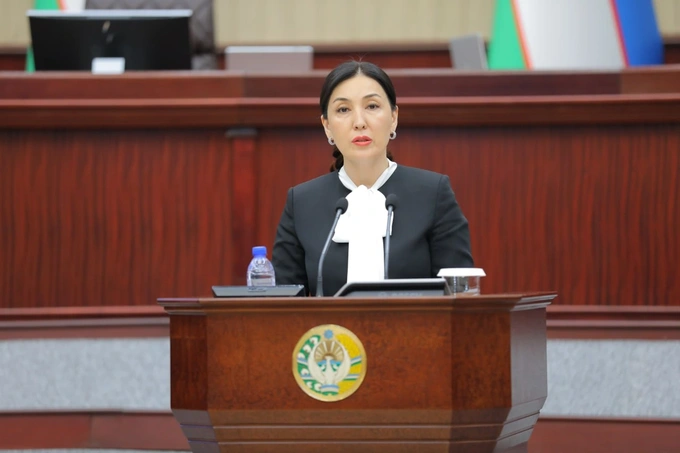
- Children's ombudswoman Surayyo Rakhmonova and human rights activists stated that a child is not responsible for their parents' actions, and publishing the video without consent violates children's rights.
What happened
On October 16, press secretary of the Tashkent Police Department Kahramon Khudoyberganov published on Instagram a video of a
Reaction of the Ministry of Education
The Ministry of Preschool and School Education told Gazeta that primary school lessons ended at 11:20, and police officers entered the school at about 11:40. According to the agency, holding such an event was not coordinated with either the ministry or the city administration.
Position of the children's ombudswoman
Children's ombudswoman Surayyo Rakhmonova told Gazeta that distributing such videos involving children leads to violations of their rights. According to her, questioning a child about their parents' actions, especially filming and publishing without the consent of a legal representative, contradicts the child's interests.
Criticism from human rights activists
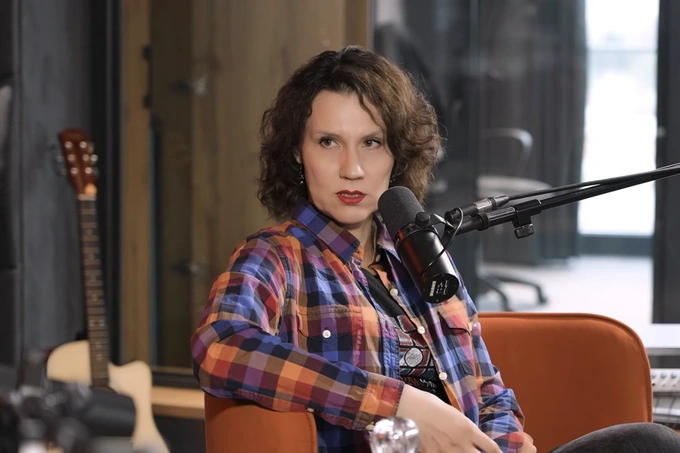
Irina Matvienko, founder of the Nemolchi.uz project, stated that state bodies are obliged to observe the principle of the best interests of the child, enshrined in the law on protecting children from all forms of violence. In her view, in this case the children were used without sufficient consideration of the consequences: they may be mocked or humiliated by peers. She noted that three adults representing the law themselves violated the law's requirements, and the press service did not think about the video's impact on the children.
Opinions of public figures and media
Public figure Obidjon Latipov stated that the entry of internal affairs officers into a classroom during a lesson and questioning minors are legally unlawful and morally unacceptable, as well as disrespectful to the educational institution and the educational process. He suggested imagining the reverse situation: if teachers came to the police at work and gave them a knowledge test, filming it on video — how would that be perceived. The Telegram channel MediaFAN wrote that in the national media space the most rights-deprived category is children, and it is especially alarming that their rights are sacrificed to PR or prevention by services of state bodies that are supposed to protect those rights. The channel recalled that under the law