The key facts
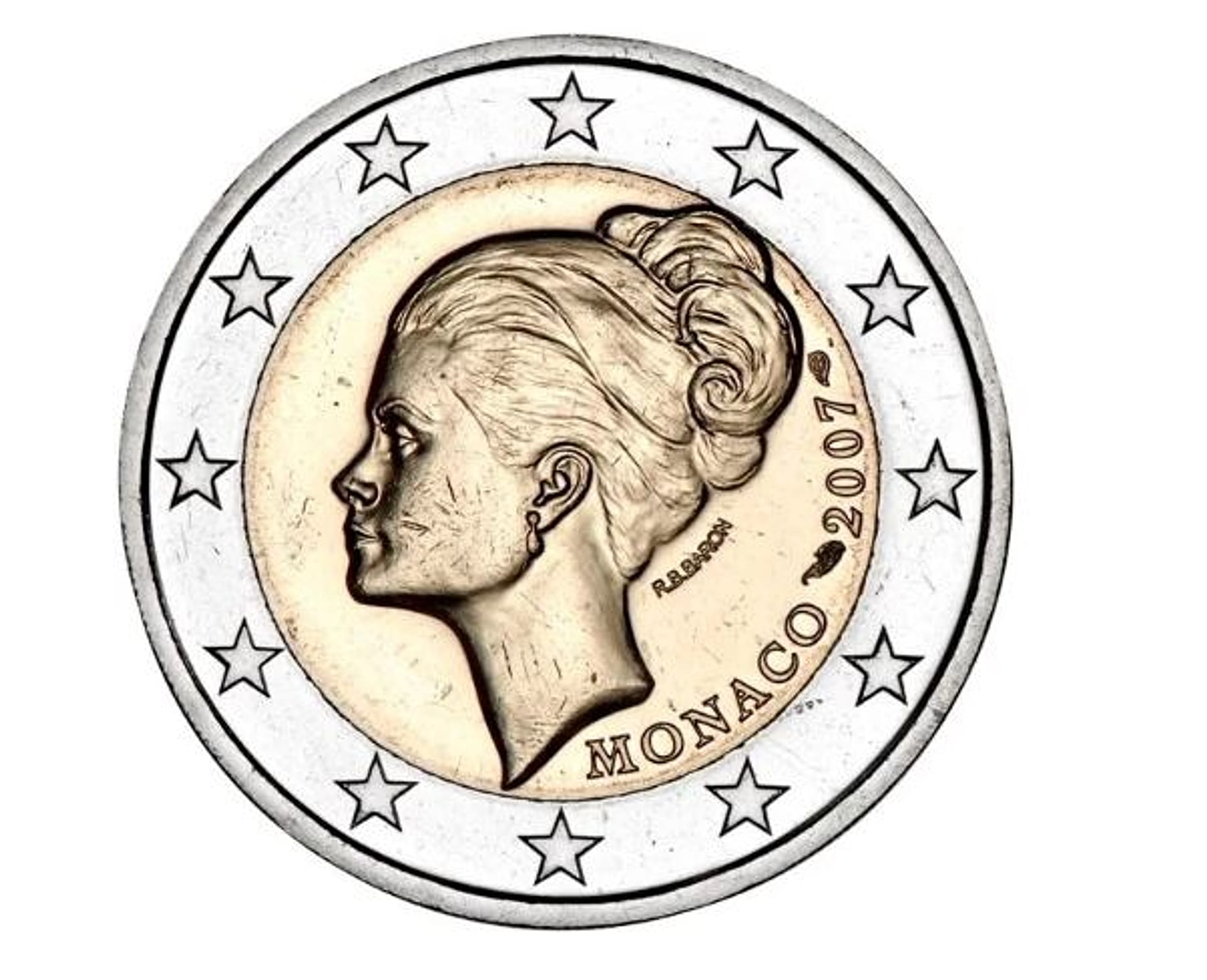
- The 2007 Monaco coin commemorating Grace Kelly (mintage 20,001) is valued at around 3,100 euros, but it never entered circulation.
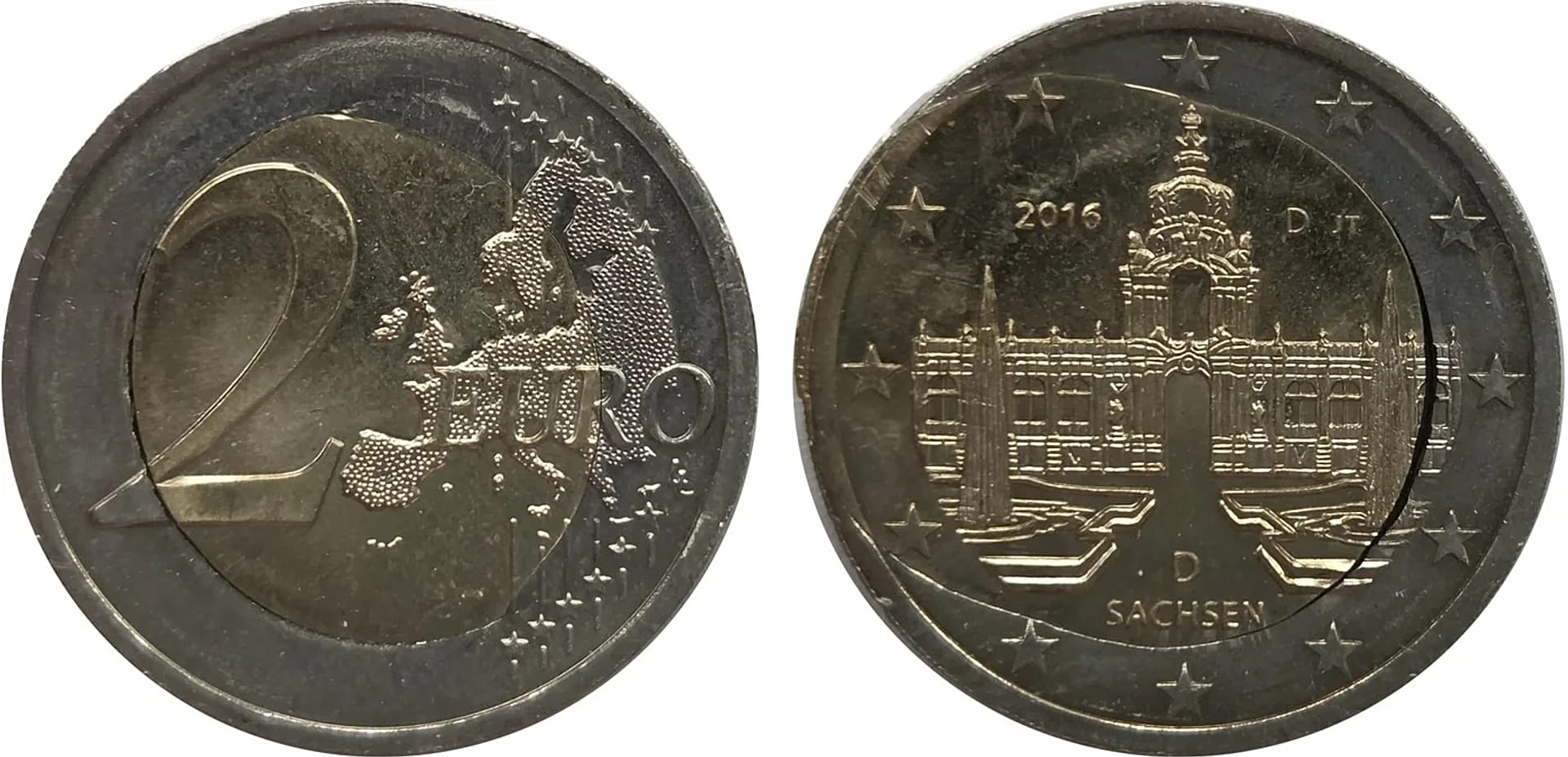
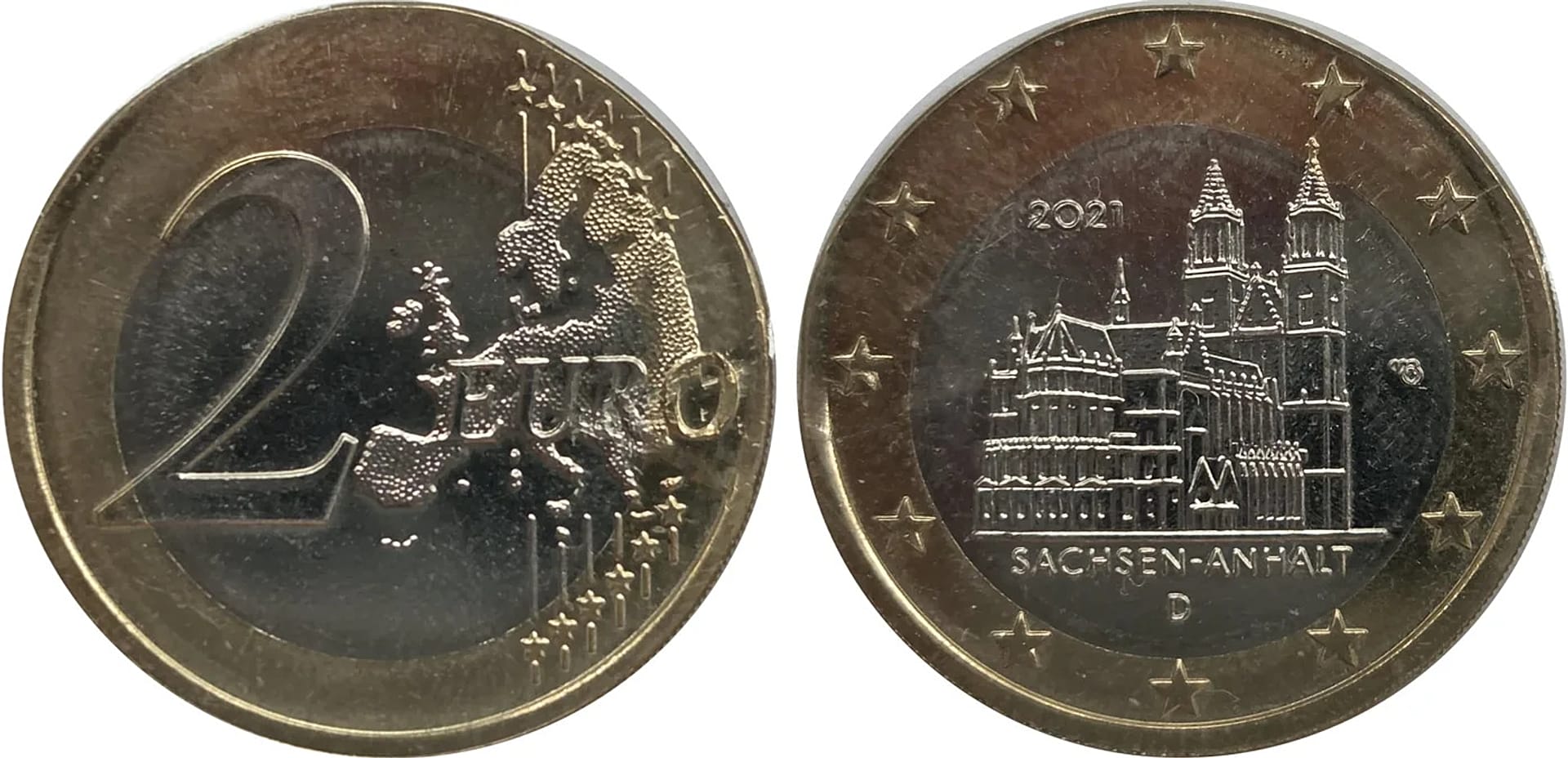
- Minting errors ('fried egg', rotated sides, striking on a blank of another denomination) are worth up to 100, 200 and 650 euros respectively according to WirtschaftsWoche; the 2021 'Saxony-Anhalt' coin struck on a 1-euro blank is worth 1,200 euros.
- Greek coins with the letter 'S' are a regular mintage of 70 million pieces struck in Finland and are of no value; a found coin must not be cleaned or polished.
Rare two-euro coins can be worth far more than their face value
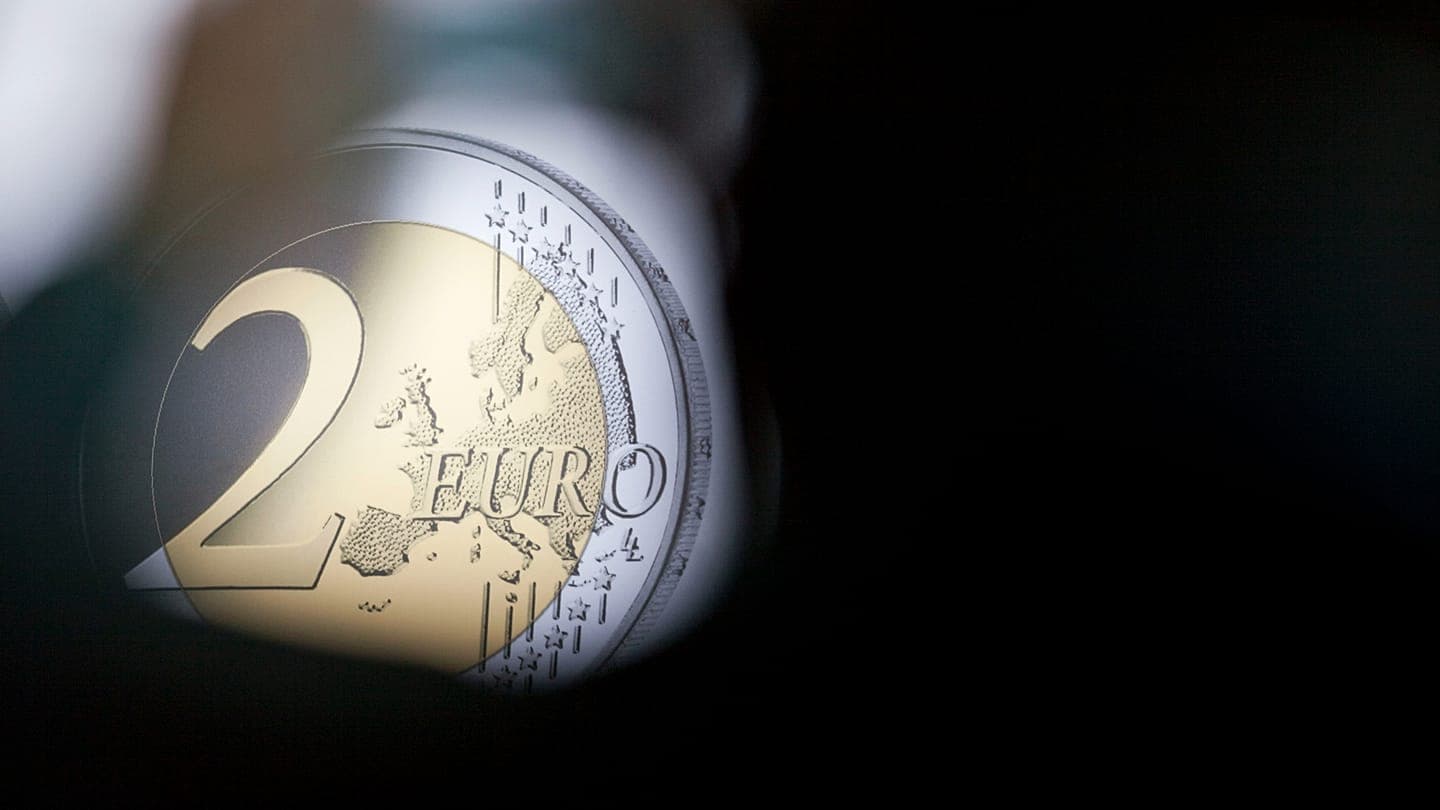
Two-euro coins usually change hands without a second glance, but, as Euronews reports, some of them have a collector value many times their face value. Specific features matter here: an unusual design alone does not make a coin rare.
The Monaco coin with Grace Kelly — around 3,100 euros
One of the best-known collector pieces is the 2007 Monaco commemorative coin issued for the 25th anniversary of the death of Princess Grace Patricia, the former Hollywood actress Grace Kelly. According to the European Central Bank, the mintage was only 20,001 copies. The coin can be recognised by the portrait of the princess, the inscription 'MONACO', the year 2007 and the artist's initials 'R.B. BARON' to the right of the image. Experts value it at around 3,100 euros. However, there is a significant caveat: the coin was sold directly to collectors and never entered general circulation, so finding it in change is extremely unlikely. Formally, it is a legal-tender 2-euro coin, but hardly anyone would deliberately use it for payment.
Minting errors: a more realistic find
Besides rare issues, minting errors can also be valuable, and finding one is more realistic. An example is the so-called 'fried egg': the inner part of a 1- or 2-euro coin sits incorrectly, and its metal is partially pressed into the outer ring, giving the coin an uneven shape. According to WirtschaftsWoche, as cited by Euronews, such specimens can be worth up to 100 euros, coins with a noticeable rotation of the sides relative to each other up to 200 euros, and those struck on a wrong blank up to 650 euros. In coin production, two metal parts are joined and struck under high pressure; despite precise technology and quality control, defective specimens sometimes enter circulation. An example is the German 2021 commemorative coin 'Saxony-Anhalt' struck on a 1-euro blank: the colours are reversed (the outer ring is golden, the centre silvery), and the weight is 7.50 g instead of the usual 8.50 g. The dealer Münzen Müller values such an error at 1,200 euros.
The letter 'S' on Greek coins is not valuable
How quickly an ordinary coin turns into an alleged internet sensation is shown by the example of Greek coins with a small letter 'S' in one of the stars, which are regularly offered as valuable errors. In fact, the letter stands for 'Suomi' (Finland), where some of the Greek coins were produced. According to experts, this is a regular variety with a mintage of 70 million copies, which is not of exceptional value in itself.
What to do with a find
If a coin seems unusual, Euronews advises first determining the issuing country, the year and the motif; the ECB publishes a list of official 2-euro commemorative coins on its website. If a valuable specimen is suspected, it is worth contacting a specialised dealer or auction house; if confirmed, a direct sale or auction is possible — commissions should be clarified in advance. Most importantly: the coin must not be cleaned or polished — this can leave micro-scratches and deprive it of its original mint lustre, reducing its value to collectors.