The key facts
- More than 600 demonstrations were planned across France; outside Paris — over 32,000 participants in ~140 events, more than 160 people detained (Interior Ministry data).
- In Marseille, protesters stormed the city hall building; in Paris, the offices of CNews and Europe 1 were damaged, and police used tear gas and water cannon.
- The protests come against the backdrop of weeks of student blockades and months before the presidential election in April–May.
Nationwide day of protest
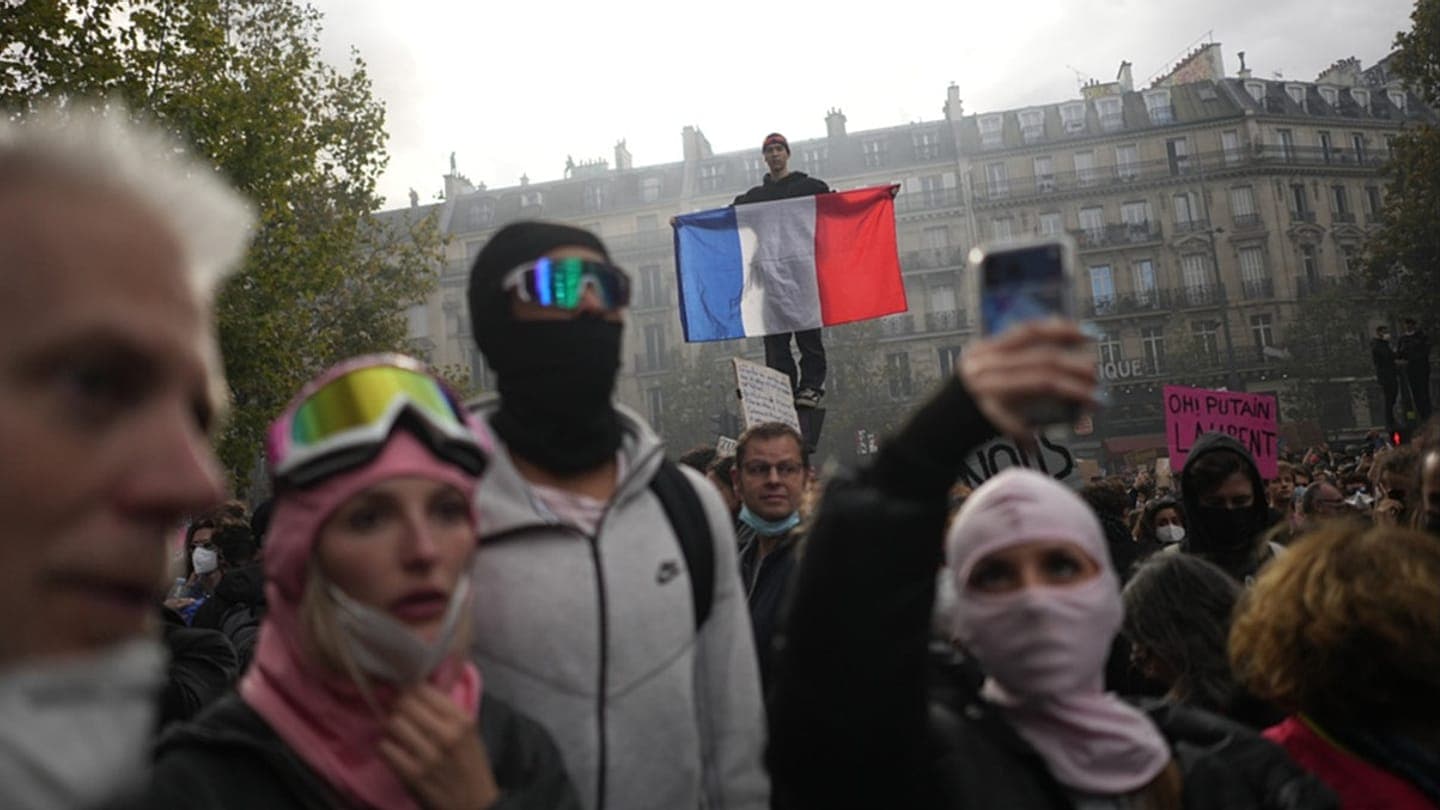
On Saturday, France held nationwide demonstrations against the cost of life under the banner 'yellow and youth', initiated by the 'yellow vests' movement, which eight years ago staged street protests against Emmanuel Macron's government's plans to raise fuel taxes. Organisers called on teachers, students, workers, pensioners and farmers to take part — on the first day of school holidays. According to the organisers' website, more than 600 demonstrations were planned across the country. The main event in Paris was to begin at 14:00 (12:00 GMT) at Place de la République.
Arrests and clashes
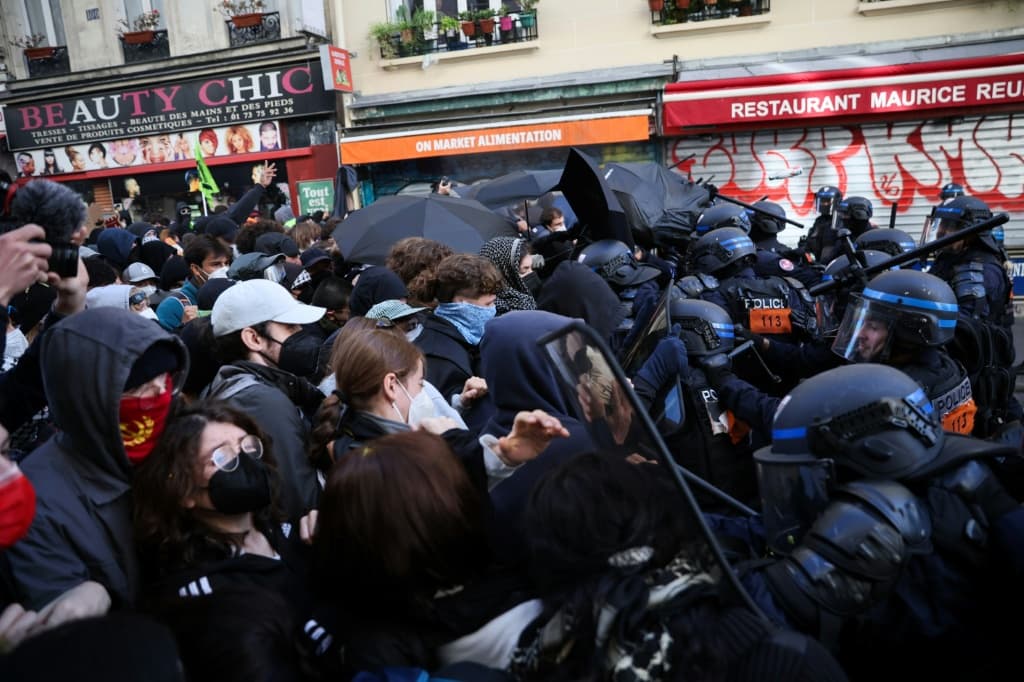
According to a source in the Interior Ministry, by midday more than 32,000 people had taken part in around 140 events outside Paris; more than 160 people were detained across the country. In Paris, where the authorities banned protests near government buildings, on the Champs-Élysées and at train stations, police detained about 60 people in the morning; at the Saint-Lazare station, officers were checking documents of passers-by. In the evening, according to AFP reports, police in Paris used water cannon and tear gas after hundreds of protesters, most of them masked, some with fireworks, clashed with them in several locations. Thousands of demonstrators marched through Paris, blocking major roads; the authorities closed many metro stations in the centre.
Marseille: storming of city hall
In Marseille, protesters stormed the city hall of the country's second-largest city before police pushed them out. Masked demonstrators rammed the door of the mayor's office with barricades; one of them shouted 'We are taking the Bastille', referring to the storming of the fortress in 1789. Inside, one of those who entered drew the anarchist 'A' symbol on the wall. AFP also reported that some protesters attacked a police building; demonstrators briefly blocked one of the main roads with rubbish bins and scooters before police cleared it using tear gas.
Damage to media offices and other cities
In western Paris, windows at the offices of the CNews TV channel and the Europe 1 radio station were smashed by objects thrown by protesters; in the morning, people in balaclavas threw objects and broke glass at CNews headquarters. In Rennes, about 20 people built a barricade out of rubbish bins and pallets near a shopping centre. In Guéret, about 300 people, a quarter of them schoolchildren, took part in the event; Franck, a 40-year-old civil servant, told AFP: 'By the end of the month I have nothing left. Prices are rising, but wages are not.'
Context: student protests and the economy
The demonstrations followed weeks of school blockades by high school students demanding better learning conditions; the events at times turned into violent clashes, and human rights organisations criticised the police for what they saw as disproportionate use of force. According to a poll of 2,000 people published earlier this month, about 45% of the French are concerned about the cost of living and inflation. Purchasing power in France has been declining since 2024, and fuel prices have risen since the start of the US-Iran war this year. The country's public debt is projected to exceed 120% of GDP next year — twice the EU limit of 60%; economists believe a significant reduction of the debt is possible only through major reforms, such as substantially trimming the generous pension system.
Political backdrop
The protests come a few months before the two-round presidential election in April–May, which will determine Macron's successor, and are seen as an indicator of the social climate. Macron, speaking on Friday evening while in Brussels at EU talks, called for 'calm and respect', adding that the right to protest is inseparable from 'respect for people and property'. Both far-left and far-right parties appealed to the unrest: the leader of La France Insoumise, Jean-Luc Mélenchon, supported the student protests and took part in a demonstration in their support on Tuesday, while the poll-leading Marine Le Pen positioned the National Rally on the side of the police.