The key facts
- The number of Ebola infections has exceeded 9,000, more than 4,000 people have died, with a fatality rate of about 50% (according to Maximilian Gertler of Charité hospital).
- Germany has provided an additional €21 million for protective equipment and training; around 120 clinicians from East African Community countries are being trained.
- The outbreak has spread to Kenya (one fatality) and Uganda (several dozen infections); there are no approved vaccines against the Bundibugyo virus yet.
Scale of the Outbreak
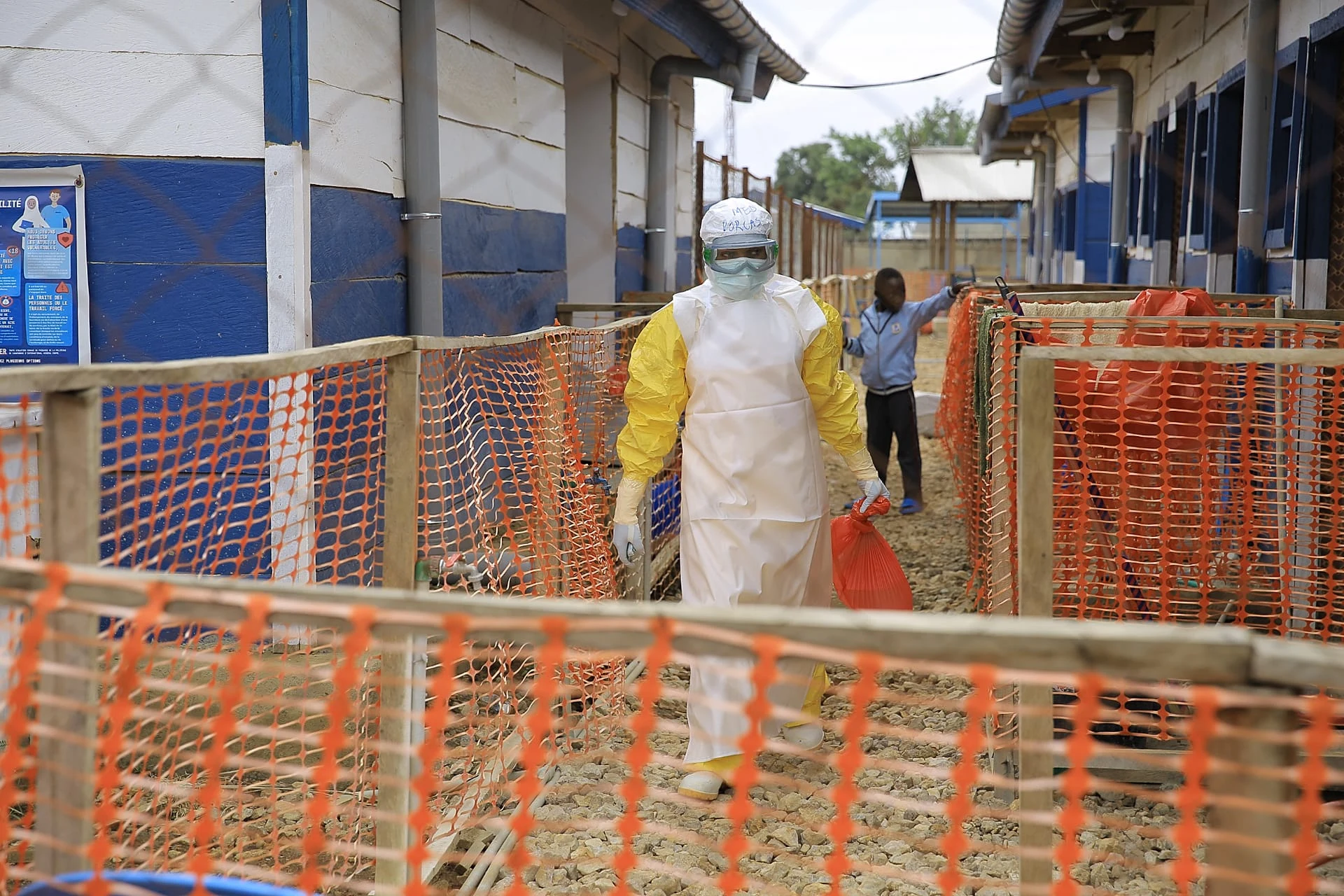
The Ebola outbreak in the Democratic Republic of Congo was registered in mid-May 2026. By July, the number of confirmed cases exceeded 2,000, with 754 deaths. Now, according to figures cited by Euronews, more than 9,000 people have been infected, WHO reports over 4,000 deaths, and 2,269 patients have recovered. Maximilian Gertler, an epidemiologist at the Charité hospital in Berlin, estimates the fatality rate of the current outbreak at roughly 50% and confirms that the situation in the country remains uncontrolled. According to his assessment, between 800 and 1,000 patients are currently ill or in treatment centers in the Ituri and North Kivu provinces. About 200 healthcare workers are known to have been infected in the course of their professional duties. The outbreak is considered the most severe and fastest-spreading in the country's history. In May 2026, WHO declared a public health emergency of international concern.
Spread to Neighboring Countries
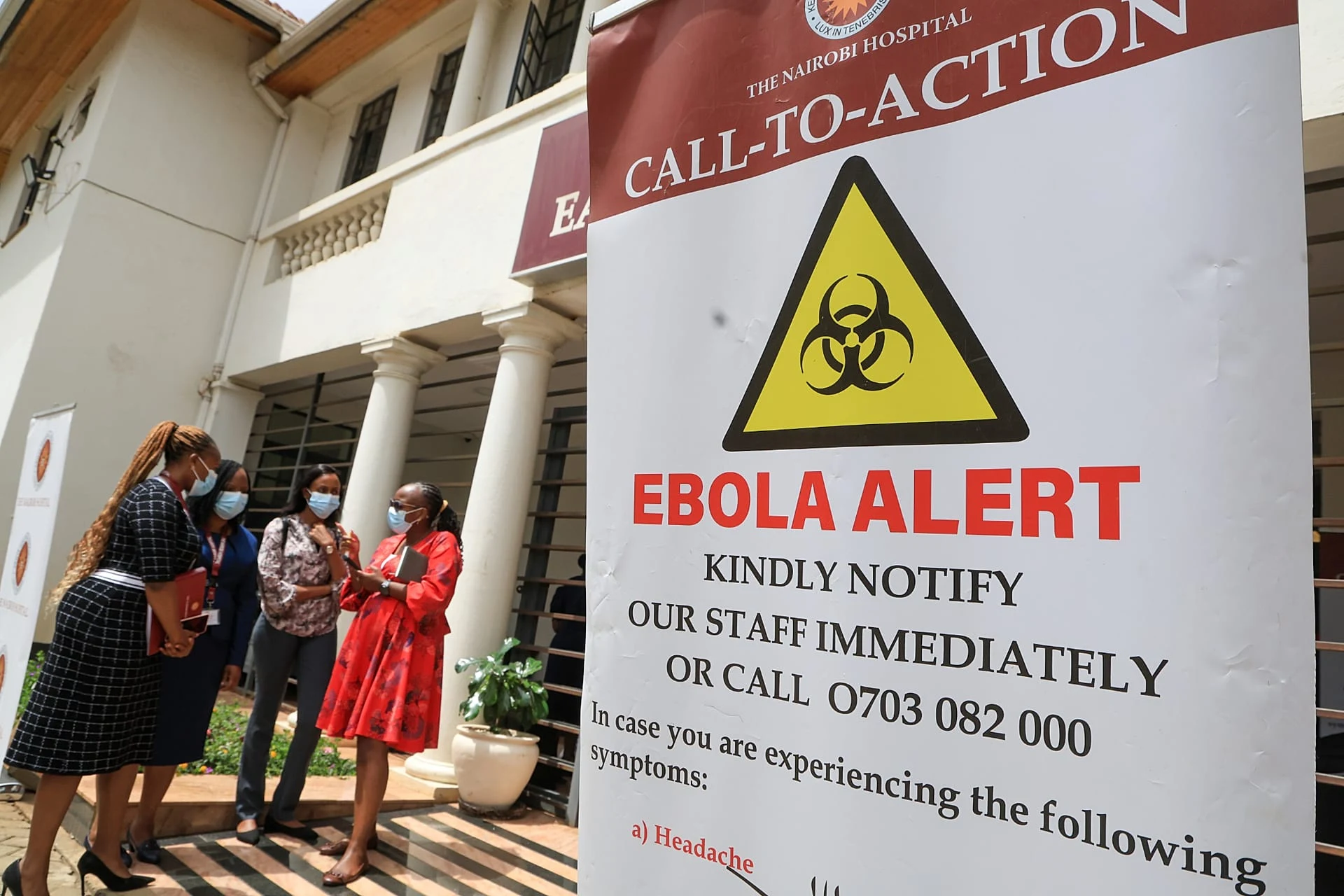
The outbreak in eastern DR Congo has spread to neighboring countries: one fatality has been recorded in Kenya, and several dozen infections in Uganda. East African Community Secretary General Stephen Patrick Mbundi stated that the necessary measures are being taken to prevent the outbreak from spreading across the entire region.
Training of Medical Personnel
Louise Götze, an intensive care nurse from Charité's specialized unit, has traveled to the crisis region seven times this year to train local staff; a few days ago she worked with a team in Entebbe, Uganda, with about 30 doctors and healthcare workers, explaining how to care for Ebola patients without risking infection. Another trip is planned. The goal is to build a pool of trained specialists across East Africa who will pass on their knowledge further. According to Gertler, around 120 clinicians from partner countries of the East African Community are currently being trained, and graduates of the program from DR Congo are already conducting training sessions themselves in Kinshasa to prepare for possible cases appearing in the capital. Germany is sending teams, in particular, to DR Congo, Kenya and Uganda.
Demonstration and New Treatment Approaches
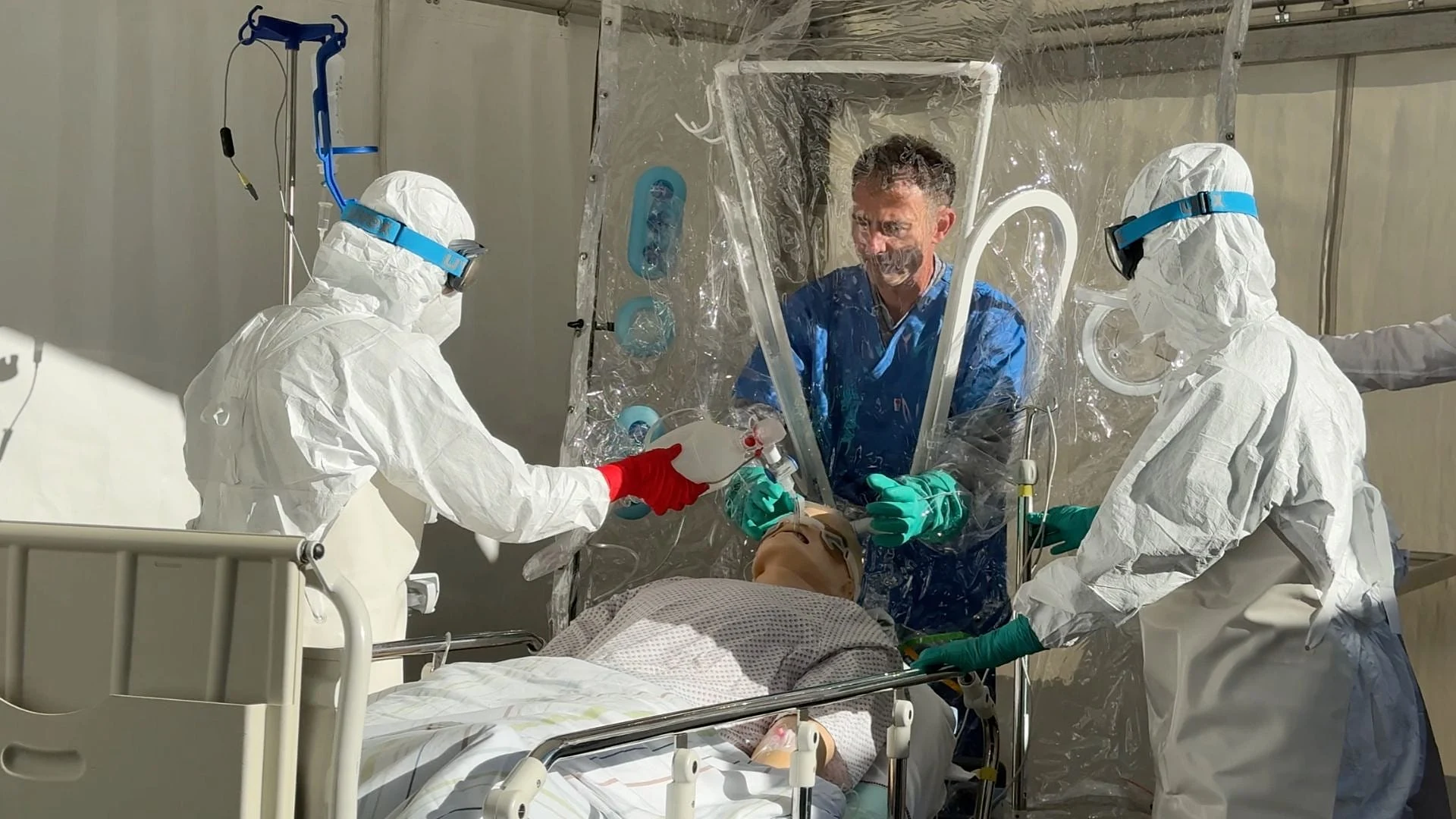
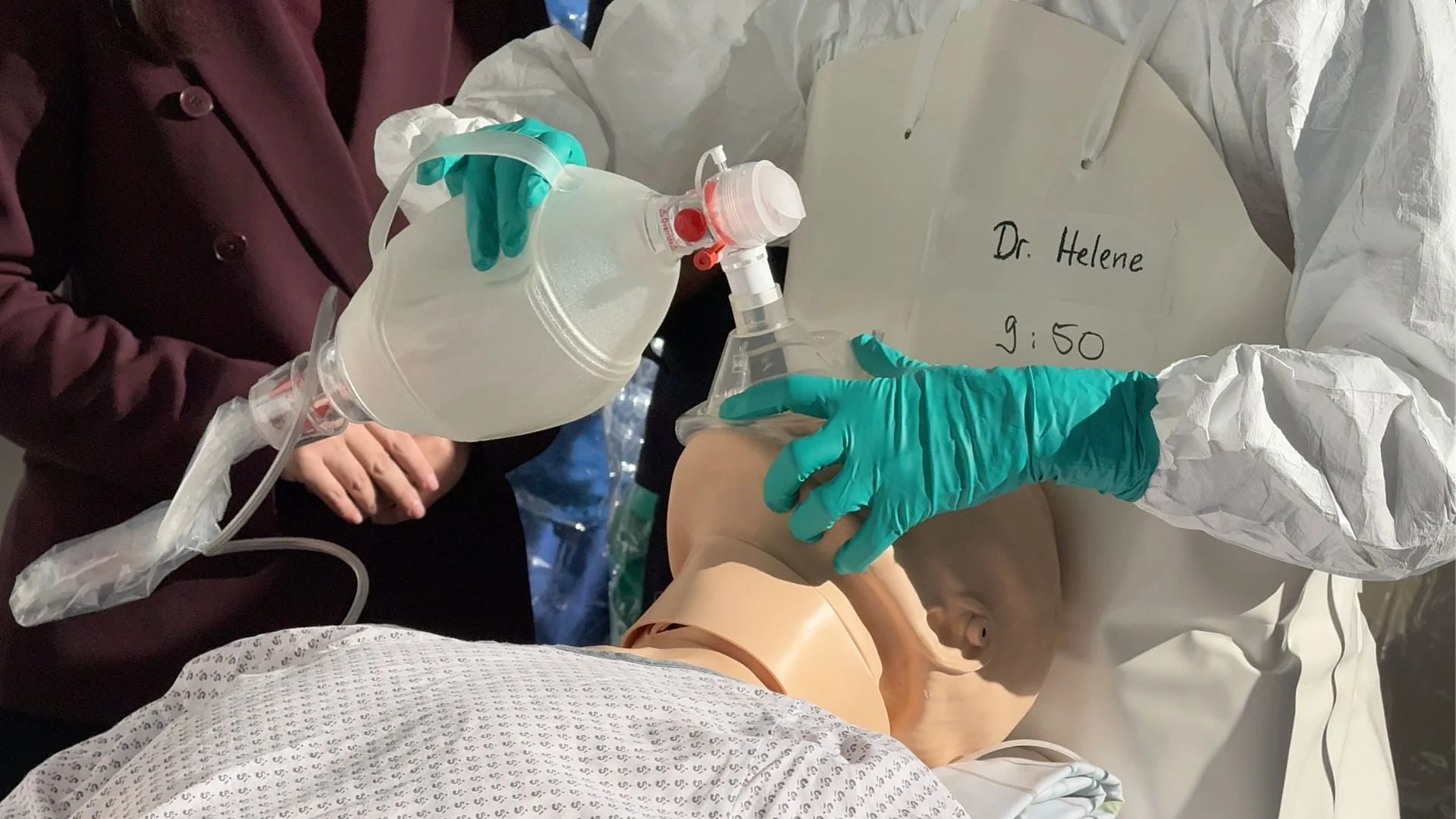
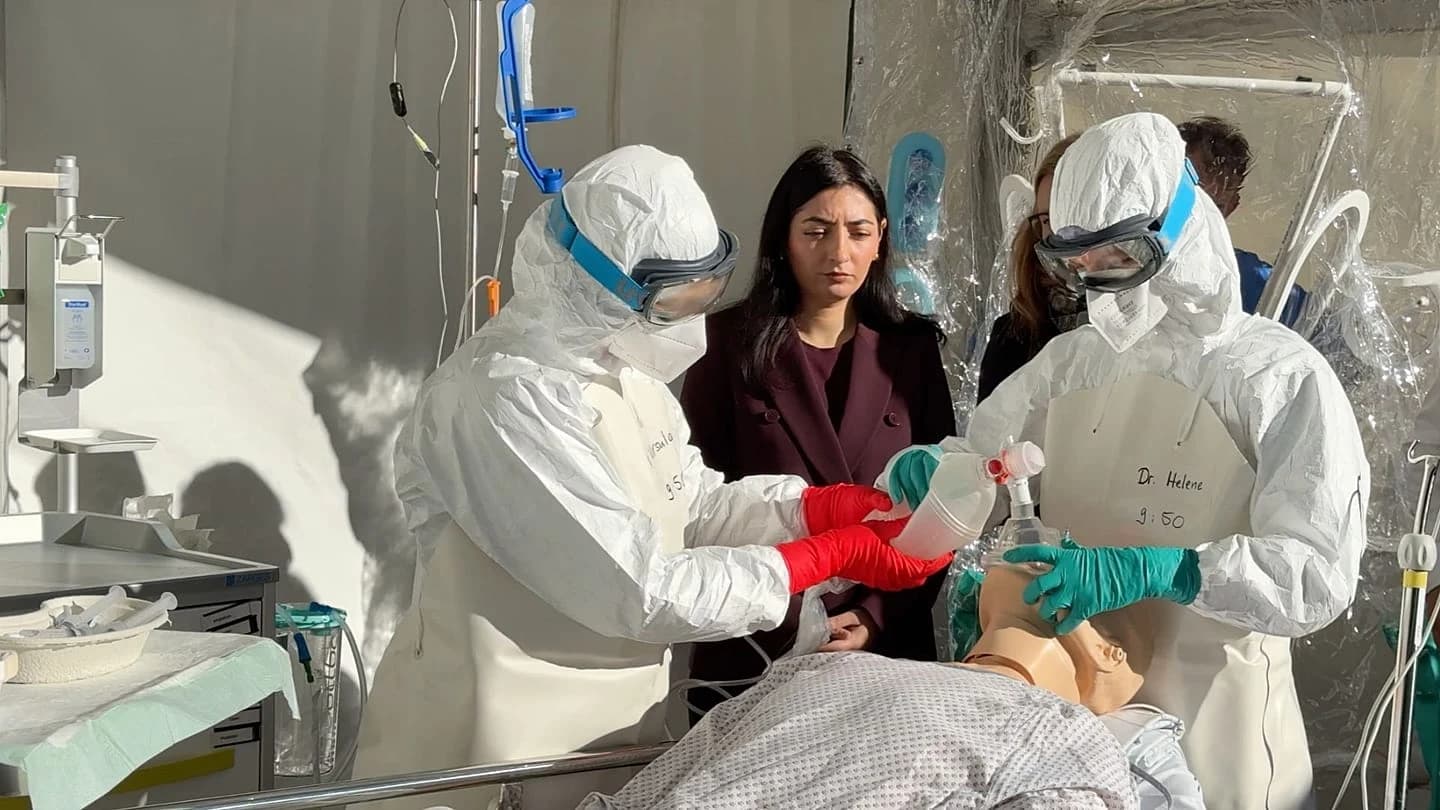
In the courtyard of the German Federal Ministry for Economic Cooperation, a hospital tent with a bed and equipment has been set up, where examination and treatment of Ebola patients are demonstrated on a mannequin. Development Minister Reem Alabali Radovan (SPD) and Stephen Patrick Mbundi were present. The climate of the country close to the equator complicates the work: protective clothing can be worn reliably for only 45–60 minutes, more than 10,000 protective suits are used daily and then burned; only goggles, rubber boots and aprons made of durable materials last longer. Gertler also described a concept being developed by WHO with partners: the walls of tent treatment facilities are fitted with transparent screens, allowing staff to observe and care for several patients without full protective gear and significantly reducing the number of staff constantly wearing protective clothing.
Funding and Conditions in the Region
The German Federal Ministry for Economic Cooperation and Development has increased the volume of aid by €21 million since the outbreak began in June, including for the purchase of personal protective equipment. 'We cannot prevent infectious disease outbreaks and pandemics if we do nothing actively ourselves,' Alabali Radovan said, emphasizing the importance of investment in global health. She noted that Ebola broke out in regions simultaneously suffering from crises and conflicts, where medical personnel sometimes work under direct threat to their lives. According to Gertler, the international campaign is built on isolating and treating patients, as well as educating the population: trust in government structures in the 'region torn apart by civil war' is extremely low, and about 50,000 people die there every year from malaria, cholera and measles, so part of the population views the heightened attention to Ebola skeptically.
Treatment and Vaccines
During the international humanitarian operation, two US citizens contracted Ebola and were brought to Germany for treatment in specialized units; both doctors were later discharged. According to the Robert Koch Institute (RKI), a positive outcome of the disease 'largely depends on the quality of medical care.' There are no approved vaccines against the Bundibugyo species of the Ebola virus yet, but one vaccine candidate is undergoing trials.